






 Share
Share


We often think of strong healthcare systems as those marked by advanced hospitals, complex surgeries, and cutting-edge treatments. But behind this model lies a powerful truth: the greatest economic and human return in health doesn’t come from treatment, it comes from prevention.
Jordan has made remarkable strides in building one of the most advanced healthcare systems in the region. Life expectancy has steadily increased, childhood vaccination rates remain among the highest in the region, and significant progress has been made in reducing maternal and infant mortality and improving primary health care. Yet, as the country continues its pursuit of universal health coverage, a key challenge remains that the system allocates a substantial portion of its resources to treatment and curative care, leaving preventive care underutilized and underfunded. This emphasis not only strains the healthcare system but also overlooks the profound benefits of early intervention.
To truly build a more equitable, sustainable, and cost-effective system, we must emphasize shifting our focus and our resources. Balancing healthcare investments to prioritize preventive healthcare, such as early detection programs for non-communicable diseases particularly cancer, is not just a health imperative, it’s an economic one. By shifting focus towards prevention and comprehensive primary health care, we can enhance health outcomes, reduce long-term costs, and move closer to achieving equitable and comprehensive healthcare for all.
At the Jordan Breast Cancer Program (JBCP) -a national program of the King Hussein Cancer Foundation and Center (KHCF/KHCC), in collaboration with the Ministry of Health (MOH)- we see this reality play out every day. Women diagnosed early have a far greater chance of survival, a significantly reduced need for costly treatments, and a better quality of life.
The Economic Case for Prevention and Early Detection
Let us be clear: investing in preventive care, particularly early detection, offers not only a moral imperative, but a strategic economic advantage.
Non-communicable diseases (NCDs) are the leading cause of death globally. Among them, cancer stands out as a major health burden and a growing economic one, with costs expected to rise as populations age and risk factors increase. Within this group, breast cancer is the most commonly diagnosed cancer in Jordan and the region. It is one of the top five cancers globally with the highest economic burden, accounting for around 7.7% of total cancer-related costs according to studies. These are not abstract numbers. They represent lost productivity, drained public budgets, and families pushed into poverty.
Treating cancer at a late stage can cost up to four times as much as treating it in its early stages, according to WHO estimates. Cancer costs the global economy around 1.16 trillion USD a year through health expenditure and loss of productivity, yet much of this burden is avoidable.
In breast cancer, survival rate drops from up to 98% with early detection to less than 32% in late-stage diagnoses. This is not just a statistic, but rather a call to action.
Delayed diagnoses require prolonged hospital stays, complex surgeries, intensive therapies, and long-term rehabilitation. The financial pressure on healthcare systems is enormous and unnecessary. Early detection strategies, which are inexpensive to implement, can dramatically reduce both health and financial impacts.
A Strategic Shift for National Prosperity
Imagine a health system that rewards prevention. Where screening programs are universal, awareness campaigns reach every home, and communities are empowered with the knowledge and access to prioritize their health. This vision is entirely within reach, but it requires action and investment sooner rather than later.
We must treat early detection initiatives not as optional but as high-yield public health infrastructure. This is especially vital, as the financial hardship due to cancer treatment costs is a toll that isn’t limited to the individual; it reverberates across households, society, government, and the economy, draining resources that could have been directed toward social development. Cancer costs are estimated to continue rising, reaching staggering levels. Jordan cannot afford to react; we must prepare.
Every dinar spent on prevention translates into lives saved, healthcare costs reduced, and a stronger, more resilient workforce.
A Call to Policy Makers and Communities Alike
The King Hussein Cancer Foundation and Center through the Jordan Breast Cancer Program prove that change is possible. Every early diagnosis we support is not just a medical success, but an economic win and a story of hope. But we cannot do it alone.
Early detection of breast cancer is not a cost. It is an investment in Jordan’s human capital, in its women, in its families, and in its future. As a country, we must recognize that smart health economics begins with prevention.
Let us prioritize preventive care, make health education a permanent pillar in schools and workplaces, build a system that anticipates illness before it strikes, encourage loved ones to get screened, talk openly about health, and demand access.
Let us lead with vision, compassion, and strategy. Let us act now, because every early diagnosis is a life extended, a cost avoided, and a future preserved.
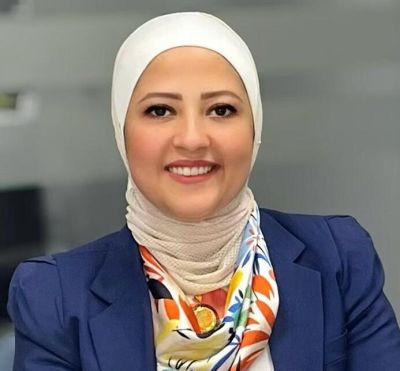
Reem Walid Al-Ajlouni is director of Jordan Breast Cancer Program/ King Hussein Cancer Foundation
