


War in Gaza leaves deep scars on Palestinian sport


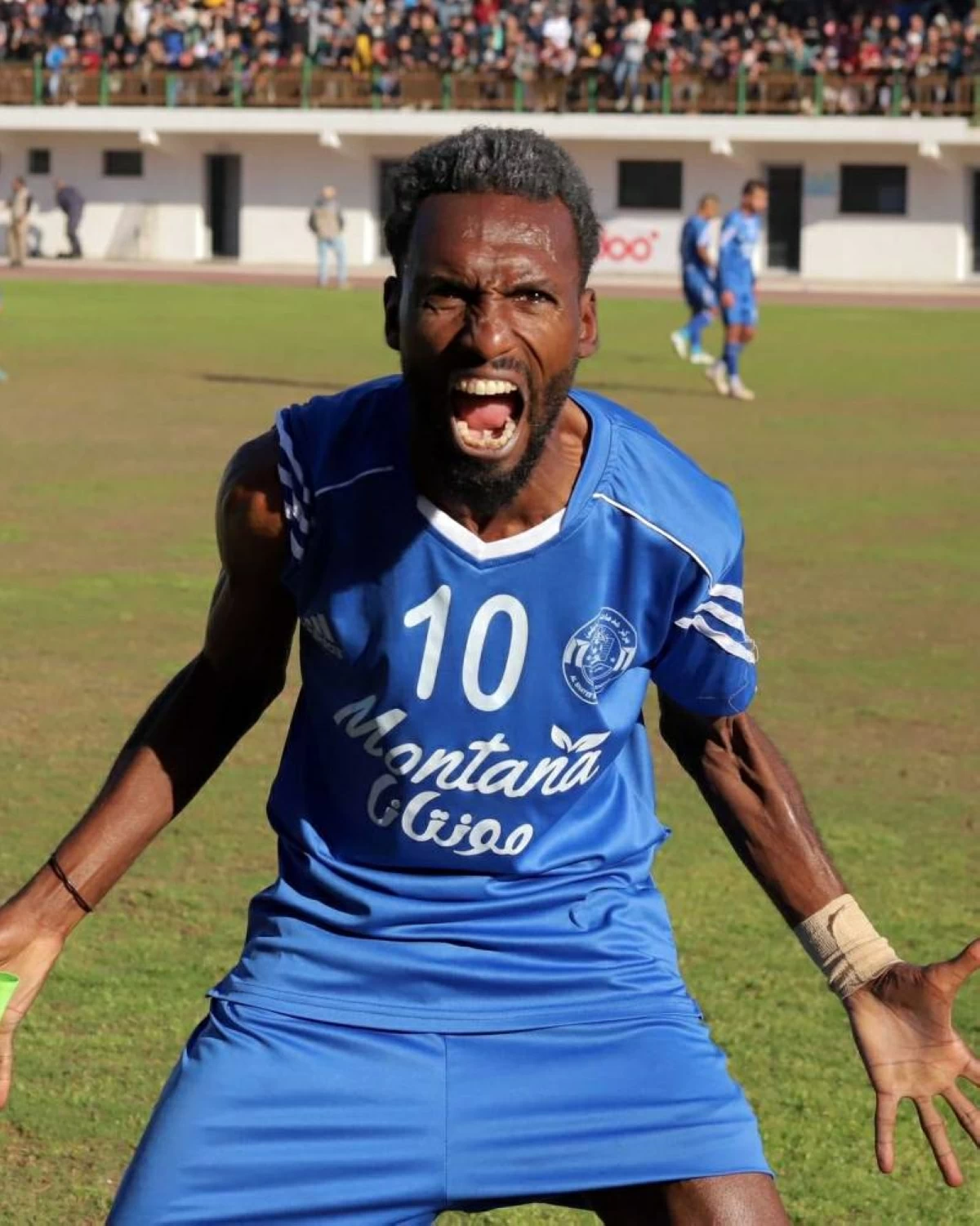
Obeid was killed in an Israeli attack while waiting for humanitarian aid in the southern Gaza (APF photo)

AMMAN — The recent killing of the veteran footballer Suleiman Obeid, locally known as the “Palestinian Pele”, has cast a fresh shadow over Gaza’s already devastated sporting community. Obeid was killed in an Israeli attack while waiting for humanitarian aid in the southern Gaza Strip according to The Palestinian Football Association (PFA). Once a fixture of the national team and a symbol of Palestinian football, Obeid’s death adds to a growing list of athletes lost to the war.

The toll on Palestinian athletes and officials has been devastating. Since the start of the war in October 2023, 662 people from the sport and scouting sector have been killed, including 321 members of the football community, according to the PFA. By July 2025, the association reported that nearly 800 athletes and sports officials had been killed across Gaza and the West Bank. Most of them died not in combat, but in their homes, on their way to training, or while sheltering with their families.

The human loss comes against the backdrop of unprecedented destruction. By February 2025, the Palestinian Olympic Committee (POC) estimated that at least 270 sports facilities had been damaged or destroyed, with material losses running into the hundreds of millions of dollars. The Yarmouk Stadium in Gaza City, a historic football ground, has been reduced to rubble, while swimming pools, sports halls, and youth centres lie in ruins.

Travel restrictions and the long-standing blockade have compounded the crisis. Even before the war, Palestinian athletes faced significant challenges in travelling for competitions. According to the PFA, athletes face severe restrictions on movement, with travel permits frequently denied by Israeli authorities. This has forced teams to forfeit matches and miss international tournaments. Entire squads have been grounded just days before scheduled departures, ending hopes of competing and stalling the careers of young players whose progression depends on international exposure.

Rebuilding Gaza’s sports sector will take years. The POC estimates it could require five to ten years to restore basic facilities, if the blockade is lifted and sustained international support is secured. Until then, Gaza mourns not only the deaths of athletes and the destruction of stadiums, but also the loss of sport as a unifying force and a source of hope.

Obeid’s death has become a symbol of that loss. Celebrated for his skill and leadership on the pitch, he is now remembered as one of hundreds of athletes whose careers and lives were cut short. His story, like that of so many others, is a plain reminder that in Gaza today, even the most universal of pastimes has become another casualty of war.

The war’s impact on Palestinian sport is likely to be felt for generations. The physical destruction will take years to repair, and the loss of so many athletes, coaches, and administrators means an irreplaceable depletion of experience and talent. Yet for many in Gaza, continuing to play, train, and compete is an act of resilience in itself.

.col-lg-12.second .opinion-widget{border-top:1px solid #D0D0D0;} #widget_1623 .opinions-title {font-size:32px;} #widget_1623 .opinions-title a{font-size:32px;} .first-author{ background-color:#ecedef; } .first-opinion-author-name{ background-color:white; width:max-content; padding:5px; }
.epaper-separator{ height: 1px; width: 100%; background-color: #D0D0D0; margin: 15px 0; }

Today’s Paper

.related-articles .article-widget-sm .article-title{font-size:16px;-webkit-line-clamp:3;} .related-articles .layout-ratio{padding-bottom:55%;}
.alert-success { color :#A3656F ; } .alert-danger { color : red ; } .footer { font-family:Myriad Pro,Arial; } .newspaper-footer{ visibility:hidden; } .socialFixOuter { position: fixed; top: 50%; margin-top: 40px; right: 0; transition: .2s; z-index: 20; height: 217px; width: 40px; } .socialFix { height: 30px; width: 30px; display: block; position: relative; cursor: pointer; background-size: 18px 18px; transition: .2s; background-position: center; background-repeat: no-repeat; border-radius: 2px; margin-top: 1px; } .socialFix:hover { width: 40px; margin-left: -10px; } .app-badge-img { height: 36px; width: auto; } @media (max-width: 768px) { .app-badge-img { height: 32px; } .app-badges { justify-content: center !important; } }
document.addEventListener("DOMContentLoaded", function () { const socialFix = document.querySelector(".socialFixOuter"); if (!socialFix) return; let firstInteraction = false; let hideTimeout = null; function checkMobileScreen() { if (window.innerWidth < 768) { socialFix.style.display = "none"; } else { socialFix.style.display = "block"; } } checkMobileScreen(); window.addEventListener("resize", checkMobileScreen); function handleFirstInteraction() { if (firstInteraction) return; if (window.innerWidth < 768) return; firstInteraction = true; socialFix.style.right = "-25px"; } socialFix.addEventListener("mouseenter", function () { if (window.innerWidth < 768) return; if (hideTimeout) clearTimeout(hideTimeout); socialFix.style.right = "0"; }); socialFix.addEventListener("mouseleave", function () { if (window.innerWidth < 768) return; if (hideTimeout) clearTimeout(hideTimeout); hideTimeout = setTimeout(() => { socialFix.style.right = "-25px"; }, 500); }); ["click", "touchstart"].forEach((evt) => { socialFix.addEventListener(evt, handleFirstInteraction); }); }); function validateEmail(email) { if (email.length > 255) return false; const emailRegex = /^[a-zA-Z0-9._%+-]+@[a-zA-Z0-9.-]+\.[a-zA-Z]{2,}$/; if (!emailRegex.test(email)) return false; if (email.includes('..') || email.startsWith('.') || email.endsWith('.')) return false; return true; } function sanitizeInput(input) { input = input.replace(/<[^>]*>/g, ''); input = input.replace(/javascript:/gi, ''); input = input.replace(/on\w+\s*=/gi, ''); input = input.replace(/[<>"'&(){}[\]]/g, ''); return input.trim(); } document.addEventListener('DOMContentLoaded', function () { function showModal(message, type) { const messageContainer = document.getElementById("messageContainerFooter"); messageContainer.textContent = message; messageContainer.className = `alert alert-${type} mt-3`; messageContainer.classList.remove("d-none"); setTimeout(() => { messageContainer.classList.add("d-none"); }, 5000); } document.getElementById("emailFormFooter").addEventListener("submit", function(event) { event.preventDefault(); const emailInput = document.getElementById("emailFooter"); const email = sanitizeInput(emailInput.value.trim()); if (!validateEmail(email)) { showModal('Invalid email format', 'danger'); return; } const formData = new FormData(); formData.append('email', email); fetch('/subscribeNewsletter', { method: "POST", body: formData, headers: { "Accept": "application/json", "X-Requested-With": "XMLHttpRequest" } }) .then(response => { if (!response.ok) { showModal("Error submitting email. Try again.", 'danger'); } return response.json(); }) .then(data => { showModal(data.message, 'success'); }) .catch(error => { showModal("Error submitting email. Try again.", 'danger'); }); }); });