






 Share Story


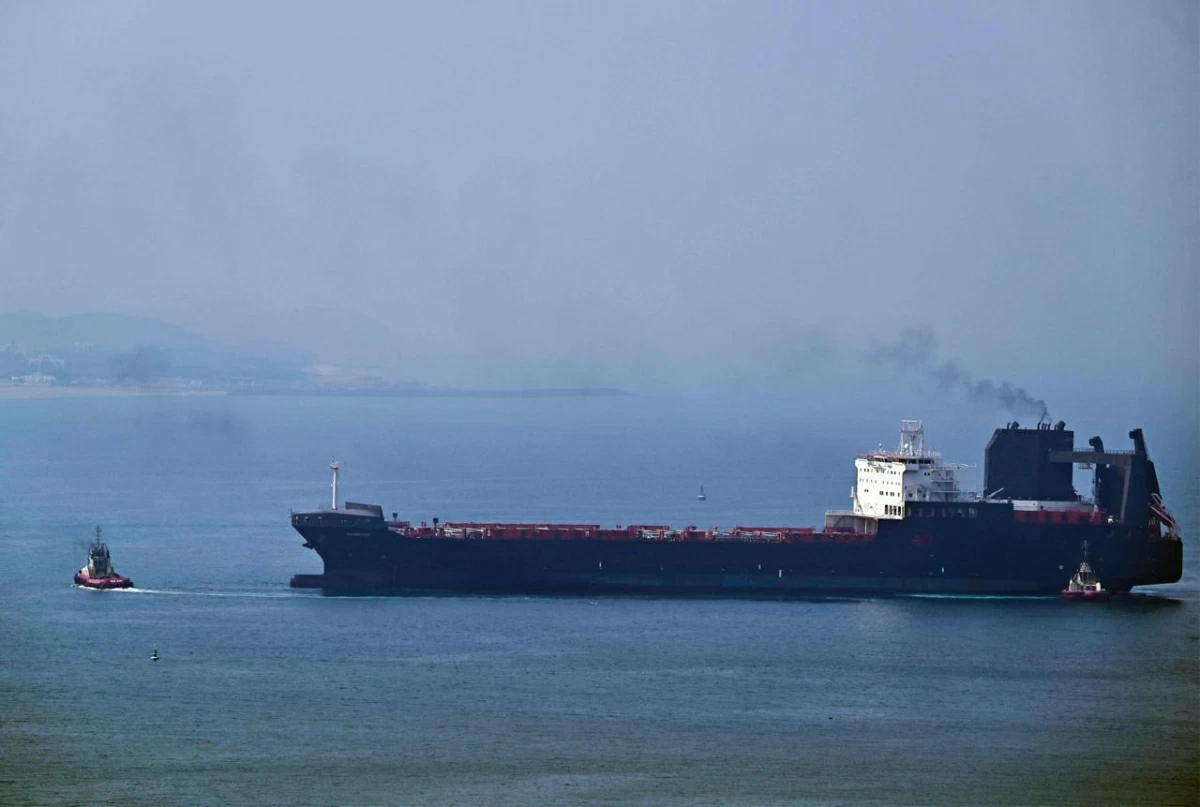
Tehran — US forces carried out strikes against Iran for a fourth day in a row on Tuesday and reimposed a naval blockade to prevent ships from sailing to or from the country's ports.
The military action came after US President Donald Trump backed down on his threat to heavily tax ships passing through the Strait of Hormuz, saying Gulf countries had agreed to make major investments in the United States.
US Central Command (CENTCOM) said the latest strikes were aimed at "degrading Iranian capabilities used to attack commercial shipping" in the strait, the key shipping channel for Gulf oil and gas where Tehran has repeatedly carried out attacks on civilian vessels.
Iranian state media reported explosions near the port city of Bandar Abbas, on the Gulf island of Qeshm near the Strait of Hormuz, and other locations.
The renewed naval blockade came into force at 2000 GMT -- an hour after the US strikes began -- with a senior Iranian official saying the move effectively wrecked a deal struck with Washington to pause the conflict to allow peace talks to take place.
"There are currently more than 20 US Navy warships and hundreds of military aircraft operating across the Middle East," CENTCOM said in a post announcing the resumption of the blockade, adding: "American forces remain vigilant, lethal, and ready."
Trump scraps levy
Iran in turn hit two ships in the Strait of Hormuz, killing two crew members, according to the International Maritime Organization.
A Norwegian tanker was also hit by an explosion caused by an unidentified device off the Omani coast early Tuesday, the crisis response company MTI Network said.
Trump meanwhile said he was scrapping a planned levy on ships passing through the Strait of Hourmz that he announced Monday, replacing the fee with trade deals with Gulf allies.
"I have decided to replace the 20% United States Reimbursement Fee with Trade and Investment Deals that the various Gulf States will be making into the United States," Trump said in a post on his Truth Social network.
Since last week, renewed US attacks have killed at least 28 people in Iran, according to an AFP tally based on Iranian media and official announcements.
Iran started blocking the strait following US-Israel attacks in February, after which Washington imposed a first blockade on Tehran's ports that lasted from mid-April to mid-June.
Israeli prime minister Benjamin Netanyahu, a fierce opponent of Iran's alleged nuclear ambitions, warned Iranian leaders Tuesday that Israel would deal a heavy blow if they launched an attack on his country.
Speaking from Dimona, a southern town widely believed to house Israel's undeclared nuclear arsenal, he told them: "Do not count on things remaining quiet if you attack us."
"The days are over when someone strikes us and we don't hit back with a decisive blow."
