


Trump declares Iran blockade back, says US will charge Hormuz fees

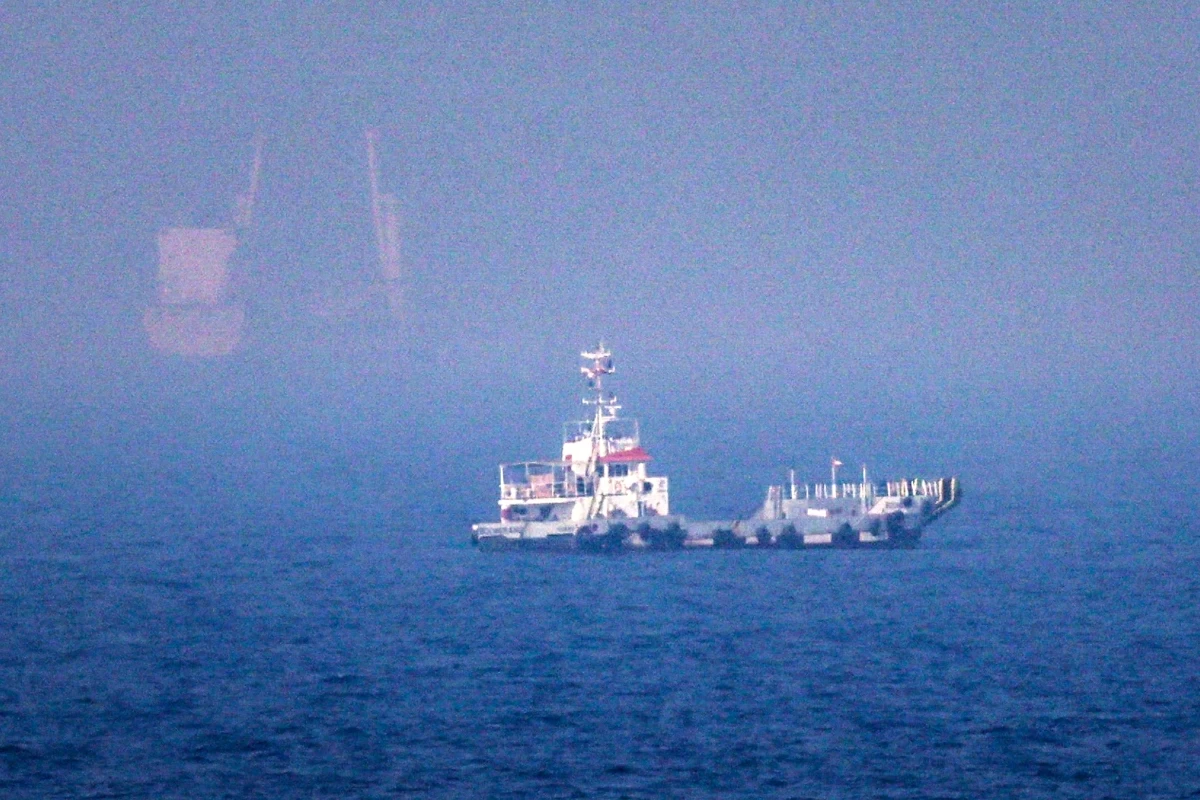
This picture shows ships sailing near the Strait of Hormuz off the eastern coast of the United Arab Emirates at Khor Fakkan on July 13, 2026
(AFP photo)
This picture shows ships sailing near the Strait of Hormuz off the eastern coast of the United Arab Emirates at Khor Fakkan on July 13, 2026 (AFP photo)

TEHRAN — President Donald Trump declared the return of a US naval blockade on Iranian ports on Monday, saying Washington would impose hefty fees on ships transiting the Strait of Hormuz as fighting once again flared over the vital waterway.

Iran's military command, however, insisted it would not allow the US to "interfere" in the key conduit for oil and gas, while also warning its Gulf neighbours -- who have borne the brunt of its retaliatory attacks -- against cooperating with Washington.

The competing claims came as the two sides traded attacks of a scale unseen since an April ceasefire. The US military said it hit dozens of targets on Monday, while Iran's Revolutionary Guards announced new strikes in response on Bahrain, Jordan, Kuwait and Oman.

The Strait of Hormuz was not an issue before the United States and Israel began their war with Iran in February, and passage through it was free, but Tehran subsequently blocked the waterway and now sees it as essential leverage over Washington.

The US has vehemently opposed Tehran's desire to charge tolls in the strait, which international law generally forbids, but on Monday, Trump flipped the script and declared that Washington itself would collect fees.

In a post on his Truth Social site, Trump declared that the US would be "known as 'THE GUARDIAN OF THE HORMUZ STRAIT'," and "be reimbursed, at the rate of 20% on all cargo shipped, for any and all costs necessary to do the job of providing safety and security to this very volatile section of the World".

While Iran's ports would again be blockaded, he said, "all other countries will have fair and open use of the strait".

The spokesman for Iran's Khatam Al Anbiya military command, however, insisted that Tehran "under no circumstances will allow... the United States to interfere in the management" of the strategic waterway.

'In crisis'

Despite last week declaring the ceasefire with Iran over, Trump has said negotiations aimed at finding a permanent settlement would continue.

He told Fox News that there were hours of talks on Sunday, but accused Iranian negotiators of going back on what they had agreed.

Iran's foreign ministry spokesman Esmaeil Baqaei said earlier on Monday that the June memorandum of understanding that formed the basis for the negotiations and lifted the US blockade was "in crisis".

The previous blockade, in place from April to June, cut off Iranian oil exports and threatened a damaging shutdown of the industry.

Baqaei said Iran would ignore its obligations under the deal if the US did the same, but nonetheless added that Tehran was continuing talks with mediators from Qatar, Pakistan and Oman in an effort to prevent further escalation.

The past week's hostilities have centred on the critical energy trade route, which Iran's Guards say is "closed".

On Monday, spokesman for the Guards Hossein Mohebi accused the US of endangering global oil and gas supplies by interfering in the strait, saying it "must be held accountable" while insisting on Tehran's sovereignty over Hormuz.

Amid the fighting, mediators have been trying to salvage a diplomatic resolution to the war.

Pakistan, a key intermediary in negotiations, expressed "deep concern at escalation in regional tensions", according to its foreign office.

'Heinous attacks'

Iranian state media reported deaths in the latest US strikes, which it said targeted large areas across the south and west.

At least 25 people have been killed in Iran since hostilities resumed on Wednesday, according to an AFP tally based on Iranian announcements.

.col-lg-12.second .opinion-widget{border-top:1px solid #D0D0D0;} #widget_1623 .opinions-title {font-size:32px;} #widget_1623 .opinions-title a{font-size:32px;} .first-author{ background-color:#ecedef; } .first-opinion-author-name{ background-color:white; width:max-content; padding:5px; }
.epaper-separator{ height: 1px; width: 100%; background-color: #D0D0D0; margin: 15px 0; }

Today’s Paper

.related-articles .article-widget-sm .article-title{font-size:16px;-webkit-line-clamp:3;} .related-articles .layout-ratio{padding-bottom:55%;}
.alert-success { color :#A3656F ; } .alert-danger { color : red ; } .footer { font-family:Myriad Pro,Arial; } .newspaper-footer{ visibility:hidden; } .socialFixOuter { position: fixed; top: 50%; margin-top: 40px; right: 0; transition: .2s; z-index: 20; height: 217px; width: 40px; } .socialFix { height: 30px; width: 30px; display: block; position: relative; cursor: pointer; background-size: 18px 18px; transition: .2s; background-position: center; background-repeat: no-repeat; border-radius: 2px; margin-top: 1px; } .socialFix:hover { width: 40px; margin-left: -10px; } .app-badge-img { height: 36px; width: auto; } @media (max-width: 768px) { .app-badge-img { height: 32px; } .app-badges { justify-content: center !important; } }
document.addEventListener("DOMContentLoaded", function () { const socialFix = document.querySelector(".socialFixOuter"); if (!socialFix) return; let firstInteraction = false; let hideTimeout = null; function checkMobileScreen() { if (window.innerWidth < 768) { socialFix.style.display = "none"; } else { socialFix.style.display = "block"; } } checkMobileScreen(); window.addEventListener("resize", checkMobileScreen); function handleFirstInteraction() { if (firstInteraction) return; if (window.innerWidth < 768) return; firstInteraction = true; socialFix.style.right = "-25px"; } socialFix.addEventListener("mouseenter", function () { if (window.innerWidth < 768) return; if (hideTimeout) clearTimeout(hideTimeout); socialFix.style.right = "0"; }); socialFix.addEventListener("mouseleave", function () { if (window.innerWidth < 768) return; if (hideTimeout) clearTimeout(hideTimeout); hideTimeout = setTimeout(() => { socialFix.style.right = "-25px"; }, 500); }); ["click", "touchstart"].forEach((evt) => { socialFix.addEventListener(evt, handleFirstInteraction); }); }); function validateEmail(email) { if (email.length > 255) return false; const emailRegex = /^[a-zA-Z0-9._%+-]+@[a-zA-Z0-9.-]+\.[a-zA-Z]{2,}$/; if (!emailRegex.test(email)) return false; if (email.includes('..') || email.startsWith('.') || email.endsWith('.')) return false; return true; } function sanitizeInput(input) { input = input.replace(/<[^>]*>/g, ''); input = input.replace(/javascript:/gi, ''); input = input.replace(/on\w+\s*=/gi, ''); input = input.replace(/[<>"'&(){}[\]]/g, ''); return input.trim(); } document.addEventListener('DOMContentLoaded', function () { function showModal(message, type) { const messageContainer = document.getElementById("messageContainerFooter"); messageContainer.textContent = message; messageContainer.className = `alert alert-${type} mt-3`; messageContainer.classList.remove("d-none"); setTimeout(() => { messageContainer.classList.add("d-none"); }, 5000); } document.getElementById("emailFormFooter").addEventListener("submit", function(event) { event.preventDefault(); const emailInput = document.getElementById("emailFooter"); const email = sanitizeInput(emailInput.value.trim()); if (!validateEmail(email)) { showModal('Invalid email format', 'danger'); return; } const formData = new FormData(); formData.append('email', email); fetch('/subscribeNewsletter', { method: "POST", body: formData, headers: { "Accept": "application/json", "X-Requested-With": "XMLHttpRequest" } }) .then(response => { if (!response.ok) { showModal("Error submitting email. Try again.", 'danger'); } return response.json(); }) .then(data => { showModal(data.message, 'success'); }) .catch(error => { showModal("Error submitting email. Try again.", 'danger'); }); }); });