






 Share
Share


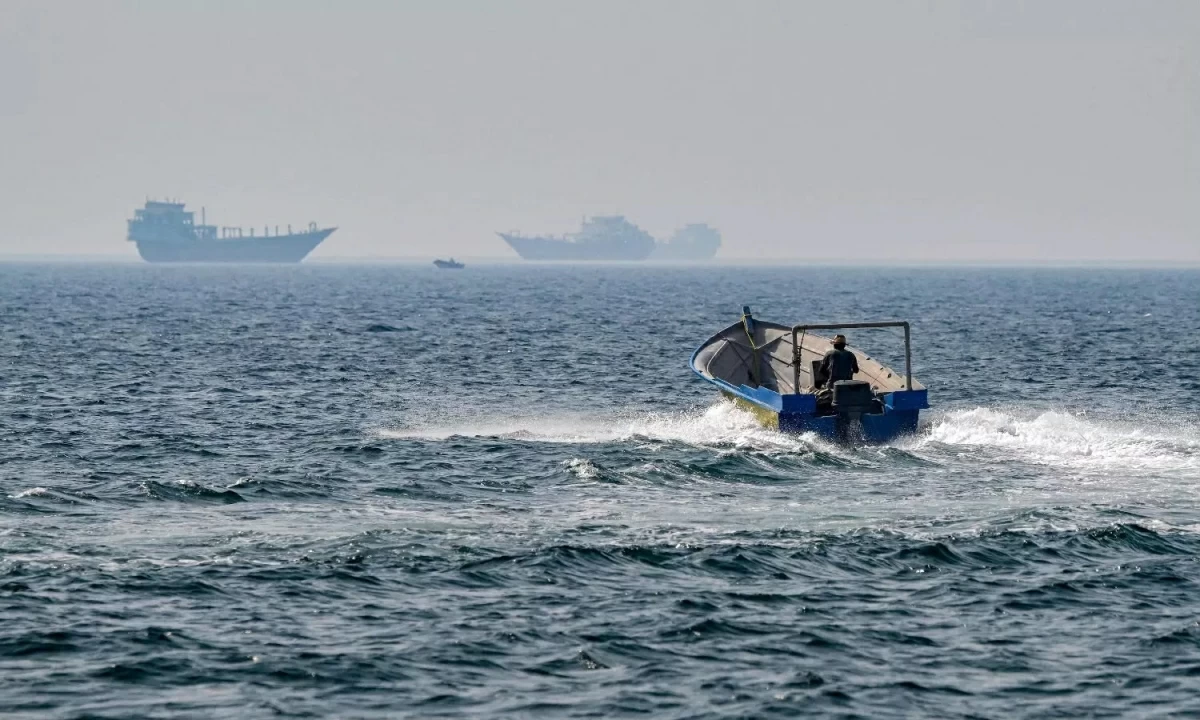
AMMAN — The United States launched a tenth consecutive night of strikes on Iran as Tehran expanded attacks across the Middle East. The latest escalation has pushed the Strait of Hormuz to the centre of the conflict, highlighting the growing importance of one of the world’s most strategic maritime routes.
US Central Command (CENTCOM) said that American forces targeted Iranian command centres during the latest operation. It said that the strikes also hit naval capabilities, missile launch sites, drone launch sites and air defence systems.
The US military said that the operation was intended to reduce Iran’s ability to attack commercial shipping transiting the Strait of Hormuz. CENTCOM added that commercial traffic through the strategic waterway remains uninterrupted despite the latest escalation.
US forces have helped secure the transit of nearly 900 commercial vessels carrying around 450 million barrels of crude oil since early May, according to CENTCOM.
The command also warned that American forces remain prepared to respond to any “unprovoked aggression” against civilian shipping in the strait.
The latest US operation came as Iran intensified attacks across the region.
Iran’s Revolutionary Guards announced they had stopped two “non-compliant” oil tankers attempting to transit the Strait of Hormuz. The Guards said the action formed part of Tehran’s blockade of the strategic waterway.
The latest developments point to an increasing focus on maritime security and global energy routes. They also underline the strategic significance of the Strait of Hormuz as tensions between Washington and Tehran continue to grow.
Political analyst Amer Sabaileh said that the latest escalation reflects Iran’s attempt to shift pressure towards international shipping lanes and global energy markets rather than limiting the confrontation to military operations alone.
“Hormuz has become Iran’s strongest pressure card because it gives Tehran leverage over international maritime navigation, global energy markets and the Gulf states,” Sabaileh said.
“By making the Strait of Hormuz the centre of the confrontation, Iran is giving the conflict a broader international dimension.”
Sabaileh added the latest developments have also highlighted different strategic priorities for the United States and Israel.
“For the United States, protecting freedom of navigation through the Strait of Hormuz has become an immediate priority,” he said. “For Israel, the nuclear programme, Iran’s ballistic missile capabilities and its regional role remain the primary strategic concerns.”
He said that the latest escalation does not diminish the importance of Iran’s nuclear programme within the wider confrontation.
“However, the current phase of the conflict is increasingly centred on maritime security, energy supplies and freedom of navigation through the Strait of Hormuz, making the strategic waterway the immediate focus of the crisis” he added.
