


Israel rules out withdrawal from Lebanon, Syria and Gaza

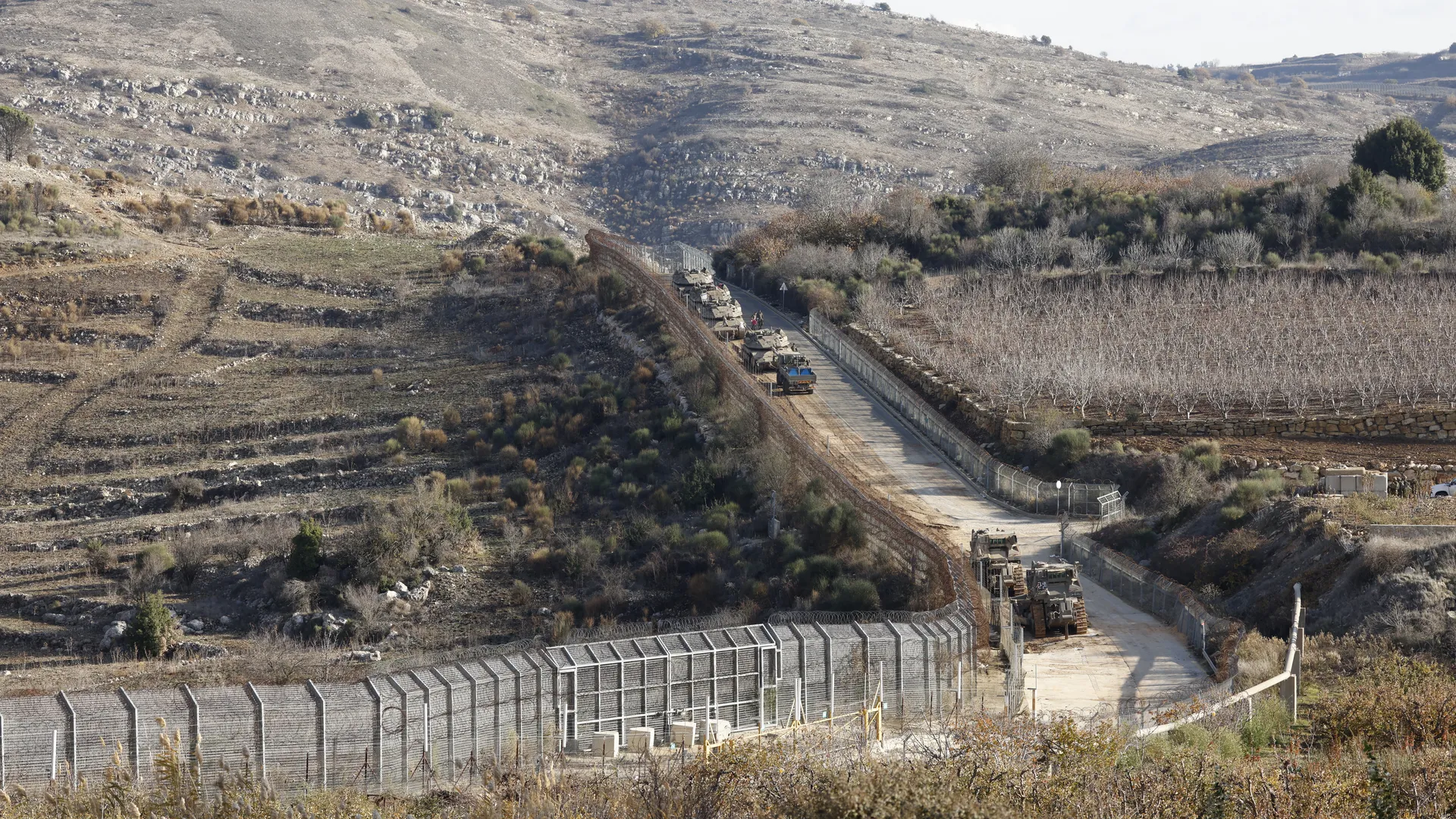
Israeli tanks take position on the border with Syria near thevillage of Majdal Shams in the Israel-annexed Golan Heights on December 8, 2024 (AFP via Getty Images)

AMMAN — Israel has said that it would keep its forces in Lebanon, Syria and Gaza indefinitely, signalling what analysts describe as a long-term shift in its regional security strategy despite ongoing diplomatic efforts to ease tensions.

Defence minister Israel Katz has recently said that Israeli troops would remain in what Israel calls “security zones” across the three fronts, insisting that the military would not withdraw until Israel’s security objectives had been achieved.

His remarks came days after Lebanon and Israel signed a US-sponsored framework agreement designed to launch negotiations and establish new security arrangements between the two sides.

Israeli officials have maintained that any future withdrawal from southern Lebanon remains conditional on the disarmament of Hizbollah, despite the diplomatic progress achieved under the US-backed framework.

Katz also warned that Israel would respond “with full force” to any Iranian attack linked to its military operations in Lebanon.

The policy was reflected elsewhere on Thursday, when Israeli authorities approved plans for 13 new settlements in the occupied West Bank, a move Palestinian officials said would deepen settlement expansion and further isolate occupied East Jerusalem from its Palestinian surroundings.

Israel continues to maintain military operations across multiple fronts, with forces remaining in much of Gaza while carrying out strikes in Lebanon and preserving a military presence inside Syrian territory.

Political analyst Amer Sabaileh said that the Israeli position reflects a fundamental shift in the country’s security doctrine following the October 7 attacks.

“Since October 7, Israel’s security doctrine has focused on ending the concept of unified fronts by reshaping the geography surrounding it,” he said.

Sabaileh said that Israel is seeking to redraw its security boundaries through buffer zones and a sustained military presence beyond its internationally recognised borders.

“Security considerations have become the main driver behind changing border realities, establishing new buffer zones and redesigning adjacent areas so they cannot be used against Israel in the future,” he said.

He added that the strategy also serves domestic political objectives, with security policies increasingly intertwined with Israel’s internal political agenda.

“The result is a new reality that Israel appears determined to consolidate on the ground, regardless of whether negotiations continue on other regional files,” he said.

The latest Israeli announcements suggest the government is seeking to translate its wartime gains into a long-term security reality, making military presence and buffer zones central pillars of its post-war strategy, Sabaileh said.

According to Lebanon's health ministry, nearly 4,300 people have been killed in Israeli attacks since the war erupted.

The Israeli military says it has lost 38 soldiers and one civilian contractor in Lebanon since fighting began in early March.

Israel has also carried out repeated incursions and bombings in Syria since the overthrow of longtime ruler Bashar al-Assad, saying it seeks to establish a demilitarised zone in the country's south.

In Gaza, Israeli forces occupy nearly 70 per cent of the territory.


.col-lg-12.second .opinion-widget{border-top:1px solid #D0D0D0;} #widget_1623 .opinions-title {font-size:32px;} #widget_1623 .opinions-title a{font-size:32px;} .first-author{ background-color:#ecedef; } .first-opinion-author-name{ background-color:white; width:max-content; padding:5px; }
.epaper-separator{ height: 1px; width: 100%; background-color: #D0D0D0; margin: 15px 0; }

Today’s Paper

.related-articles .article-widget-sm .article-title{font-size:16px;-webkit-line-clamp:3;} .related-articles .layout-ratio{padding-bottom:55%;}
.alert-success { color :#A3656F ; } .alert-danger { color : red ; } .footer { font-family:Myriad Pro,Arial; } .newspaper-footer{ visibility:hidden; } .socialFixOuter { position: fixed; top: 50%; margin-top: 40px; right: 0; transition: .2s; z-index: 20; height: 217px; width: 40px; } .socialFix { height: 30px; width: 30px; display: block; position: relative; cursor: pointer; background-size: 18px 18px; transition: .2s; background-position: center; background-repeat: no-repeat; border-radius: 2px; margin-top: 1px; } .socialFix:hover { width: 40px; margin-left: -10px; } .app-badge-img { height: 36px; width: auto; } @media (max-width: 768px) { .app-badge-img { height: 32px; } .app-badges { justify-content: center !important; } }
document.addEventListener("DOMContentLoaded", function () { const socialFix = document.querySelector(".socialFixOuter"); if (!socialFix) return; let firstInteraction = false; let hideTimeout = null; function checkMobileScreen() { if (window.innerWidth < 768) { socialFix.style.display = "none"; } else { socialFix.style.display = "block"; } } checkMobileScreen(); window.addEventListener("resize", checkMobileScreen); function handleFirstInteraction() { if (firstInteraction) return; if (window.innerWidth < 768) return; firstInteraction = true; socialFix.style.right = "-25px"; } socialFix.addEventListener("mouseenter", function () { if (window.innerWidth < 768) return; if (hideTimeout) clearTimeout(hideTimeout); socialFix.style.right = "0"; }); socialFix.addEventListener("mouseleave", function () { if (window.innerWidth < 768) return; if (hideTimeout) clearTimeout(hideTimeout); hideTimeout = setTimeout(() => { socialFix.style.right = "-25px"; }, 500); }); ["click", "touchstart"].forEach((evt) => { socialFix.addEventListener(evt, handleFirstInteraction); }); }); function validateEmail(email) { if (email.length > 255) return false; const emailRegex = /^[a-zA-Z0-9._%+-]+@[a-zA-Z0-9.-]+\.[a-zA-Z]{2,}$/; if (!emailRegex.test(email)) return false; if (email.includes('..') || email.startsWith('.') || email.endsWith('.')) return false; return true; } function sanitizeInput(input) { input = input.replace(/<[^>]*>/g, ''); input = input.replace(/javascript:/gi, ''); input = input.replace(/on\w+\s*=/gi, ''); input = input.replace(/[<>"'&(){}[\]]/g, ''); return input.trim(); } document.addEventListener('DOMContentLoaded', function () { function showModal(message, type) { const messageContainer = document.getElementById("messageContainerFooter"); messageContainer.textContent = message; messageContainer.className = `alert alert-${type} mt-3`; messageContainer.classList.remove("d-none"); setTimeout(() => { messageContainer.classList.add("d-none"); }, 5000); } document.getElementById("emailFormFooter").addEventListener("submit", function(event) { event.preventDefault(); const emailInput = document.getElementById("emailFooter"); const email = sanitizeInput(emailInput.value.trim()); if (!validateEmail(email)) { showModal('Invalid email format', 'danger'); return; } const formData = new FormData(); formData.append('email', email); fetch('/subscribeNewsletter', { method: "POST", body: formData, headers: { "Accept": "application/json", "X-Requested-With": "XMLHttpRequest" } }) .then(response => { if (!response.ok) { showModal("Error submitting email. Try again.", 'danger'); } return response.json(); }) .then(data => { showModal(data.message, 'success'); }) .catch(error => { showModal("Error submitting email. Try again.", 'danger'); }); }); });