


Iran FM says 'no tangible progress' in talks but Trump says deal close

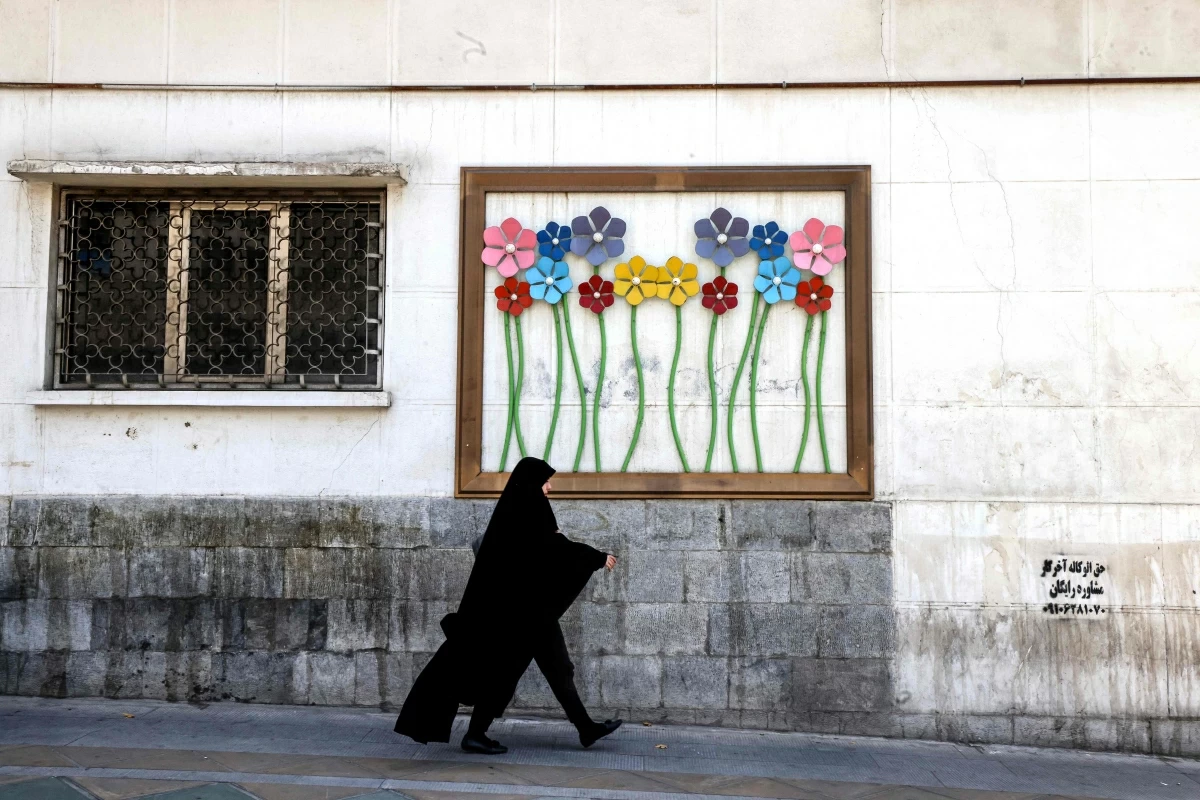
An Iranian woman walks past a piece of street art in Tehran on June 3, 2026. The military adviser to Iran's supreme leader on June 3, warned of more missile and drone strikes should the United States renew its attacks on Iran
(AFP photo)
An Iranian woman walks past a piece of street art in Tehran on June 3, 2026. The military adviser to Iran's supreme leader on June 3, warned of more missile and drone strikes should the United States renew its attacks on Iran (AFP photo)

KUWAIT CITY, Kuwait — Iran's foreign minister said Wednesday that "no tangible progress" has been made in negotiations to end the Middle East war as fresh US and Iranian strikes strained a fragile ceasefire.

Kuwaiti officials said the renewed hostilities included an Iranian drone strike on a passenger terminal at Kuwait international airport that killed one person and wounded 63.

In contrast with the downbeat Iranian remarks, US President Donald Trump struck an optimistic note, telling reporters at the White House that the Iran talks could yield a result "over the weekend."

"I hear the negotiation itself is going very well actually," Trump said of a potential deal. "It could happen...over the weekend."

Trump also said he wants to separate talks on the conflict in Lebanon between Israel and Iranian-backed Hizbollah and those on the war between the United States and Iran, although Tehran insists the two are linked.

"I'd like to separate it, I'd like to have a separate thing, because it is, it is separate," he said.

US Secretary of State Marco Rubio said Iran's highly enriched uranium stockpiles were at the center of discussions with Tehran and voiced hope that the latest round of talks in Washington between Israel and Lebanon will produce a security roadmap.

Washington insists Tehran must turn over its near-weapons-grade enriched uranium, agree to curb its nuclear activities and re-open the Strait of Hormuz, the key shipping channel for Gulf oil and gas, for any peace agreement to take hold.

Iranian Foreign Minister Abbas Araghchi said lines of communication with the United States were still open but warned that any Israeli attack on the Lebanese capital Beirut as part of its campaign against Hezbollah would trigger a "full-scale resumption" of the conflict.

"Communications with the Americans have not been cut off, and messages have been exchanged regarding the need to stop aggression against Beirut, but no tangible progress has been made in the negotiation process," the Tasnim news agency quoted Araghchi as telling Lebanon's Al Mayadeen TV.

"Any attack on Beirut will have grave consequences and will lead to a full-scale resumption of the war," he said. "Our armed forces are ready to strike Israel if it attacks Beirut."

'Playing with fire'

Kuwait's military condemned the drone strike on the airport as an act of "criminal Iranian aggression." India's foreign ministry said the one fatality was an Indian national.

Iran's Revolutionary Guards denied attacking the airport and said it was "an error in the American Patriot systems, which landed on the terminal after failing to intercept Iranian missiles." The Revolutionary Guards also accused US forces of provoking a response by targeting a tanker and a communications tower on the country's Qeshm Island.

The fresh attacks constitute one of the more severe tests yet of the April 8 ceasefire that paused more than a month of war sparked by the US-Israeli bombing of Iran, and has largely held despite sporadic exchanges of fire.

Trump played down the renewed hostilities saying "in that part of the world ceasefire is when you're shooting in a more moderate manner."

Israeli prime minister Benjamin Netanyahu accused Iran meanwhile of "playing with fire."

"Iran surely knows what the (US) president has said, that if necessary, there'll be a full-scale return to military action," Netanyahu said in an interview with US channel CNBC.

.col-lg-12.second .opinion-widget{border-top:1px solid #D0D0D0;} #widget_1623 .opinions-title {font-size:32px;} #widget_1623 .opinions-title a{font-size:32px;} .first-author{ background-color:#ecedef; } .first-opinion-author-name{ background-color:white; width:max-content; padding:5px; }
.epaper-separator{ height: 1px; width: 100%; background-color: #D0D0D0; margin: 15px 0; }

Today’s Paper

.related-articles .article-widget-sm .article-title{font-size:16px;-webkit-line-clamp:3;} .related-articles .layout-ratio{padding-bottom:55%;}
.alert-success { color :#A3656F ; } .alert-danger { color : red ; } .footer { font-family:Myriad Pro,Arial; } .newspaper-footer{ visibility:hidden; } .socialFixOuter { position: fixed; top: 50%; margin-top: 40px; right: 0; transition: .2s; z-index: 20; height: 217px; width: 40px; } .socialFix { height: 30px; width: 30px; display: block; position: relative; cursor: pointer; background-size: 18px 18px; transition: .2s; background-position: center; background-repeat: no-repeat; border-radius: 2px; margin-top: 1px; } .socialFix:hover { width: 40px; margin-left: -10px; } .app-badge-img { height: 36px; width: auto; } @media (max-width: 768px) { .app-badge-img { height: 32px; } .app-badges { justify-content: center !important; } }
document.addEventListener("DOMContentLoaded", function () { const socialFix = document.querySelector(".socialFixOuter"); if (!socialFix) return; let firstInteraction = false; let hideTimeout = null; function checkMobileScreen() { if (window.innerWidth < 768) { socialFix.style.display = "none"; } else { socialFix.style.display = "block"; } } checkMobileScreen(); window.addEventListener("resize", checkMobileScreen); function handleFirstInteraction() { if (firstInteraction) return; if (window.innerWidth < 768) return; firstInteraction = true; socialFix.style.right = "-25px"; } socialFix.addEventListener("mouseenter", function () { if (window.innerWidth < 768) return; if (hideTimeout) clearTimeout(hideTimeout); socialFix.style.right = "0"; }); socialFix.addEventListener("mouseleave", function () { if (window.innerWidth < 768) return; if (hideTimeout) clearTimeout(hideTimeout); hideTimeout = setTimeout(() => { socialFix.style.right = "-25px"; }, 500); }); ["click", "touchstart"].forEach((evt) => { socialFix.addEventListener(evt, handleFirstInteraction); }); }); function validateEmail(email) { if (email.length > 255) return false; const emailRegex = /^[a-zA-Z0-9._%+-]+@[a-zA-Z0-9.-]+\.[a-zA-Z]{2,}$/; if (!emailRegex.test(email)) return false; if (email.includes('..') || email.startsWith('.') || email.endsWith('.')) return false; return true; } function sanitizeInput(input) { input = input.replace(/<[^>]*>/g, ''); input = input.replace(/javascript:/gi, ''); input = input.replace(/on\w+\s*=/gi, ''); input = input.replace(/[<>"'&(){}[\]]/g, ''); return input.trim(); } document.addEventListener('DOMContentLoaded', function () { function showModal(message, type) { const messageContainer = document.getElementById("messageContainerFooter"); messageContainer.textContent = message; messageContainer.className = `alert alert-${type} mt-3`; messageContainer.classList.remove("d-none"); setTimeout(() => { messageContainer.classList.add("d-none"); }, 5000); } document.getElementById("emailFormFooter").addEventListener("submit", function(event) { event.preventDefault(); const emailInput = document.getElementById("emailFooter"); const email = sanitizeInput(emailInput.value.trim()); if (!validateEmail(email)) { showModal('Invalid email format', 'danger'); return; } const formData = new FormData(); formData.append('email', email); fetch('/subscribeNewsletter', { method: "POST", body: formData, headers: { "Accept": "application/json", "X-Requested-With": "XMLHttpRequest" } }) .then(response => { if (!response.ok) { showModal("Error submitting email. Try again.", 'danger'); } return response.json(); }) .then(data => { showModal(data.message, 'success'); }) .catch(error => { showModal("Error submitting email. Try again.", 'danger'); }); }); });