


Hormuz closure, Lebanon fighting threaten Iran-US deal

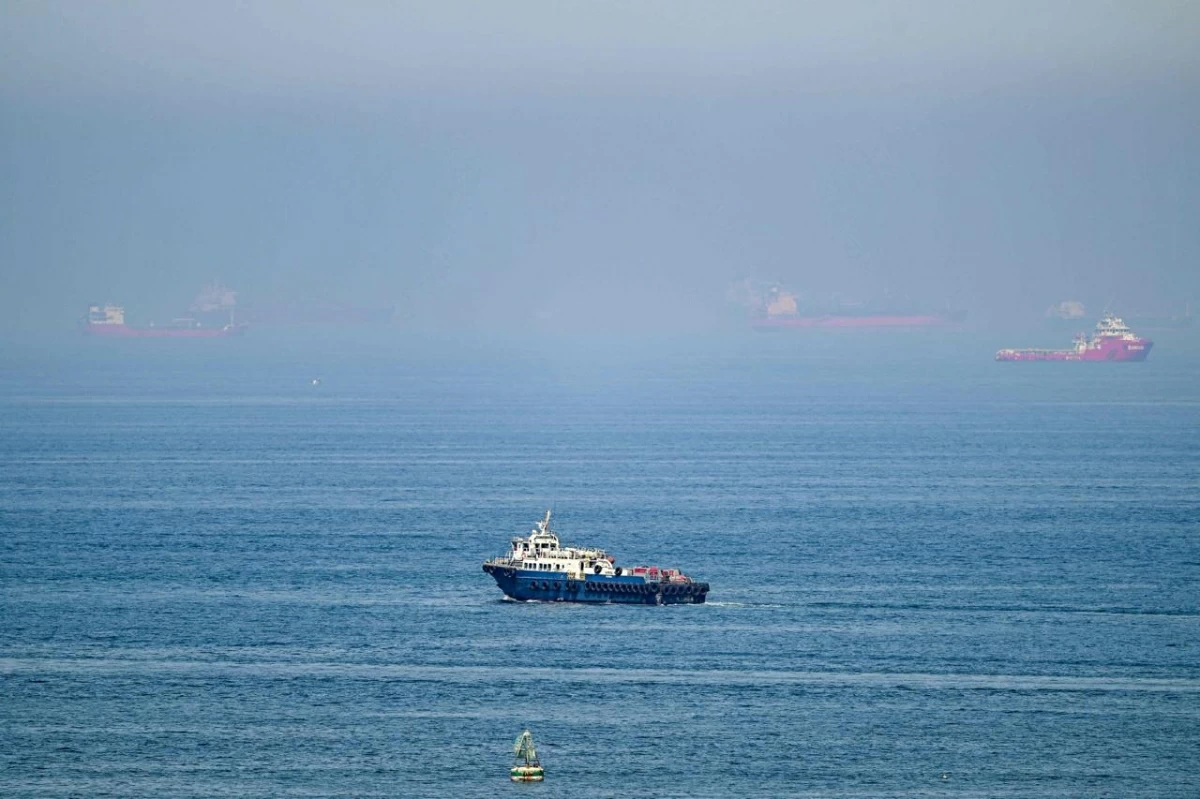
Cargo ships are pictured off cost of the Khor Fakkan Container Terminal, the only natural deep-sea port in the region and one of the major container ports in Sharjah Emirate, along the Gulf of Oman on June 19, 2026
(AFP photo)
Cargo ships are pictured off cost of the Khor Fakkan Container Terminal, the only natural deep-sea port in the region and one of the major container ports in Sharjah Emirate, along the Gulf of Oman on June 19, 2026 (AFP photo)

Analysts say Lebanon front has become biggest test for memorandum


AMMAN — Iran closed the Strait of Hormuz on Saturday and warned of further measures against what it described as US and Israeli violations of a newly signed memorandum of understanding, as continued fighting in Lebanon threatened to derail efforts to launch negotiations between Tehran and Washington.

Iran’s military leadership described the closure of the strategic waterway as a “first step” and warned of additional actions if attacks on Lebanon continue.

Foreign Minister Abbas Araghchi said Tehran remained committed to the memorandum but insisted that Washington must ensure Israel halts its military operations in Lebanon.

“Failure by the other side to fulfil some of its commitments will place the broader understanding at risk,” Araghchi said.

The latest escalation came as Pakistan announced that technical talks involving US and Iranian representatives, along with Pakistani and Qatari mediators, would be held in Switzerland on Sunday as a follow-up to the Islamabad Memorandum of Understanding.

US Vice President JD Vance also said he expects to travel to Switzerland in the coming days, adding that US negotiators Jared Kushner and Steve Witkoff had reported that “things are going well”.

The memorandum, signed this week by US President Donald Trump and Iranian President Masoud Pezeshkian, was intended to end a regional conflict that expanded across several fronts, including Lebanon.

However, renewed fighting between Israel and Hizbollah has quickly emerged as the biggest challenge facing the agreement.

US officials have reportedly pressed Israel to agree to a ceasefire with Hizbollah amid concerns that continued fighting could undermine the diplomatic track.

Israeli prime minister Benjamin Netanyahu, however, has insisted that Israeli forces will remain in Lebanon “as long as necessary”.

Political analyst Amer Sabaileh said the memorandum should not be mistaken for a peace agreement.

“This is not a peace deal. It is a framework to launch negotiations,” he said.

“During these 60 days, the parties either move forward or return to sanctions and military pressure.”

Sabaileh said Israel remains determined to isolate the Lebanon front from any broader understanding with Iran.

“For Israel, giving up the Lebanon front without resolving the Hizbollah issue would be a catastrophic option,” he said.

He added that there is broad international consensus that the issue of Hizbollah’s weapons must eventually be addressed.

Political analyst Areej Jabr said developments in Lebanon had become the biggest test facing the memorandum.

“The agreement’s survival depends on Washington’s ability to prevent the Lebanese front from destroying diplomacy before negotiations even begin,” she said.

Jabr added that Iran’s decision to close the Strait of Hormuz again showed that Tehran still possesses significant leverage.

“The coming weeks will determine whether diplomacy regains momentum or whether developments on the ground overtake negotiations,” she said.

With talks set to resume in Switzerland and tensions rising in Lebanon, diplomats fear the memorandum is facing its first and perhaps most difficult test.

.col-lg-12.second .opinion-widget{border-top:1px solid #D0D0D0;} #widget_1623 .opinions-title {font-size:32px;} #widget_1623 .opinions-title a{font-size:32px;} .first-author{ background-color:#ecedef; } .first-opinion-author-name{ background-color:white; width:max-content; padding:5px; }
.epaper-separator{ height: 1px; width: 100%; background-color: #D0D0D0; margin: 15px 0; }

Today’s Paper

.related-articles .article-widget-sm .article-title{font-size:16px;-webkit-line-clamp:3;} .related-articles .layout-ratio{padding-bottom:55%;}
.alert-success { color :#A3656F ; } .alert-danger { color : red ; } .footer { font-family:Myriad Pro,Arial; } .newspaper-footer{ visibility:hidden; } .socialFixOuter { position: fixed; top: 50%; margin-top: 40px; right: 0; transition: .2s; z-index: 20; height: 217px; width: 40px; } .socialFix { height: 30px; width: 30px; display: block; position: relative; cursor: pointer; background-size: 18px 18px; transition: .2s; background-position: center; background-repeat: no-repeat; border-radius: 2px; margin-top: 1px; } .socialFix:hover { width: 40px; margin-left: -10px; } .app-badge-img { height: 36px; width: auto; } @media (max-width: 768px) { .app-badge-img { height: 32px; } .app-badges { justify-content: center !important; } }
document.addEventListener("DOMContentLoaded", function () { const socialFix = document.querySelector(".socialFixOuter"); if (!socialFix) return; let firstInteraction = false; let hideTimeout = null; function checkMobileScreen() { if (window.innerWidth < 768) { socialFix.style.display = "none"; } else { socialFix.style.display = "block"; } } checkMobileScreen(); window.addEventListener("resize", checkMobileScreen); function handleFirstInteraction() { if (firstInteraction) return; if (window.innerWidth < 768) return; firstInteraction = true; socialFix.style.right = "-25px"; } socialFix.addEventListener("mouseenter", function () { if (window.innerWidth < 768) return; if (hideTimeout) clearTimeout(hideTimeout); socialFix.style.right = "0"; }); socialFix.addEventListener("mouseleave", function () { if (window.innerWidth < 768) return; if (hideTimeout) clearTimeout(hideTimeout); hideTimeout = setTimeout(() => { socialFix.style.right = "-25px"; }, 500); }); ["click", "touchstart"].forEach((evt) => { socialFix.addEventListener(evt, handleFirstInteraction); }); }); function validateEmail(email) { if (email.length > 255) return false; const emailRegex = /^[a-zA-Z0-9._%+-]+@[a-zA-Z0-9.-]+\.[a-zA-Z]{2,}$/; if (!emailRegex.test(email)) return false; if (email.includes('..') || email.startsWith('.') || email.endsWith('.')) return false; return true; } function sanitizeInput(input) { input = input.replace(/<[^>]*>/g, ''); input = input.replace(/javascript:/gi, ''); input = input.replace(/on\w+\s*=/gi, ''); input = input.replace(/[<>"'&(){}[\]]/g, ''); return input.trim(); } document.addEventListener('DOMContentLoaded', function () { function showModal(message, type) { const messageContainer = document.getElementById("messageContainerFooter"); messageContainer.textContent = message; messageContainer.className = `alert alert-${type} mt-3`; messageContainer.classList.remove("d-none"); setTimeout(() => { messageContainer.classList.add("d-none"); }, 5000); } document.getElementById("emailFormFooter").addEventListener("submit", function(event) { event.preventDefault(); const emailInput = document.getElementById("emailFooter"); const email = sanitizeInput(emailInput.value.trim()); if (!validateEmail(email)) { showModal('Invalid email format', 'danger'); return; } const formData = new FormData(); formData.append('email', email); fetch('/subscribeNewsletter', { method: "POST", body: formData, headers: { "Accept": "application/json", "X-Requested-With": "XMLHttpRequest" } }) .then(response => { if (!response.ok) { showModal("Error submitting email. Try again.", 'danger'); } return response.json(); }) .then(data => { showModal(data.message, 'success'); }) .catch(error => { showModal("Error submitting email. Try again.", 'danger'); }); }); });