


US resumes naval blockade as Trump vows more strikes on Iran

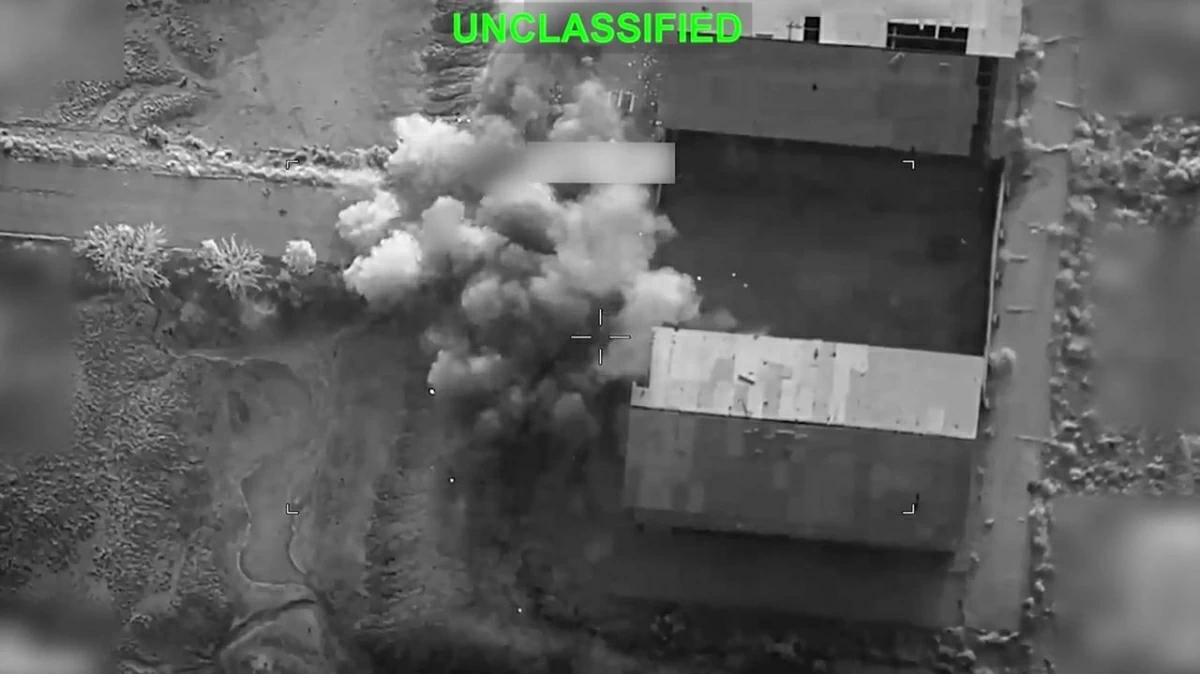
This screen grab made on July 15, 2026, from a handout video released by US Central Command on July 13, 2026, shows what the US military says is a strike in Iran (AFP photo)

Analyst says Washington is expanding military pressure to force Tehran into political settlement


AMMAN — The United States has intensified its military campaign against Iran , launching a fourth consecutive day of strikes and reimposing a naval blockade on Iranian ports as President Donald Trump vowed the attacks would continue until he decides “enough is enough.”

The escalation came as Iranian state media reported exchanges of fire between the Islamic Revolutionary Guard Corps (IRGC) and US forces in the Strait of Hormuz, further heightening tensions across one of the world’s most strategically important waterways.

US Central Command (CENTCOM) said the strikes targeted missile and drone sites, naval capabilities and military infrastructure used to support Iranian attacks on commercial shipping in the Strait of Hormuz.

Iranian media reported explosions near Bandar Abbas, Qeshm Island and several other locations along the Gulf coast. Local authorities also said US strikes hit four locations in Bushehr province, home to Iran’s only civilian nuclear power plant, as well as border areas near Iraq and Kuwait.

An hour after the strikes began, the US military reimposed its naval blockade on vessels travelling to and from Iranian ports, saying more than 20 US Navy warships and hundreds of military aircraft remain deployed across the Middle East.

“American forces remain vigilant, lethal and ready,” CENTCOM said.

Trump said the military campaign would continue until Washington achieved its objectives.

“The strikes will continue until I say this is enough,” Trump said. He also scrapped plans to impose a 20 per cent fee on ships transiting the Strait of Hormuz, opting instead for expanded trade and investment agreements with Gulf allies.

Iran condemned the renewed blockade, saying it effectively undermined the temporary understanding reached with Washington to create space for diplomatic negotiations.

Fighting also intensified at sea.

According to the International Maritime Organisation, Iranian forces struck two commercial vessels in the Strait of Hormuz, killing two crew members. A Norwegian tanker was also damaged by an explosion off the Omani coast, while Kuwait said one of its naval vessels was hit during an Iranian missile and drone attack, injuring four sailors.

Political analyst Amer Sabaileh said that “President Donald Trump appeared to have fully embraced military pressure as a tool to reshape future negotiations with Tehran.”

He said that Washington is likely to expand both the scale and depth of its military campaign, targeting sites that had previously been considered off limits.

“What was avoided during the previous 40-day war may now become legitimate targets,” Sabaileh said.

“That could include energy infrastructure, strategic islands and oil facilities as the United States gradually pushes deeper into Iranian territory to force Tehran towards a political settlement.”

Sabaileh explained that the latest escalation suggests both Washington and Tehran are seeking to strengthen their positions on the battlefield before returning to the negotiating table, leaving diplomacy increasingly overshadowed by military pressure.

.col-lg-12.second .opinion-widget{border-top:1px solid #D0D0D0;} #widget_1623 .opinions-title {font-size:32px;} #widget_1623 .opinions-title a{font-size:32px;} .first-author{ background-color:#ecedef; } .first-opinion-author-name{ background-color:white; width:max-content; padding:5px; }
.epaper-separator{ height: 1px; width: 100%; background-color: #D0D0D0; margin: 15px 0; }

Today’s Paper

.related-articles .article-widget-sm .article-title{font-size:16px;-webkit-line-clamp:3;} .related-articles .layout-ratio{padding-bottom:55%;}
.alert-success { color :#A3656F ; } .alert-danger { color : red ; } .footer { font-family:Myriad Pro,Arial; } .newspaper-footer{ visibility:hidden; } .socialFixOuter { position: fixed; top: 50%; margin-top: 40px; right: 0; transition: .2s; z-index: 20; height: 217px; width: 40px; } .socialFix { height: 30px; width: 30px; display: block; position: relative; cursor: pointer; background-size: 18px 18px; transition: .2s; background-position: center; background-repeat: no-repeat; border-radius: 2px; margin-top: 1px; } .socialFix:hover { width: 40px; margin-left: -10px; } .app-badge-img { height: 36px; width: auto; } @media (max-width: 768px) { .app-badge-img { height: 32px; } .app-badges { justify-content: center !important; } }
document.addEventListener("DOMContentLoaded", function () { const socialFix = document.querySelector(".socialFixOuter"); if (!socialFix) return; let firstInteraction = false; let hideTimeout = null; function checkMobileScreen() { if (window.innerWidth < 768) { socialFix.style.display = "none"; } else { socialFix.style.display = "block"; } } checkMobileScreen(); window.addEventListener("resize", checkMobileScreen); function handleFirstInteraction() { if (firstInteraction) return; if (window.innerWidth < 768) return; firstInteraction = true; socialFix.style.right = "-25px"; } socialFix.addEventListener("mouseenter", function () { if (window.innerWidth < 768) return; if (hideTimeout) clearTimeout(hideTimeout); socialFix.style.right = "0"; }); socialFix.addEventListener("mouseleave", function () { if (window.innerWidth < 768) return; if (hideTimeout) clearTimeout(hideTimeout); hideTimeout = setTimeout(() => { socialFix.style.right = "-25px"; }, 500); }); ["click", "touchstart"].forEach((evt) => { socialFix.addEventListener(evt, handleFirstInteraction); }); }); function validateEmail(email) { if (email.length > 255) return false; const emailRegex = /^[a-zA-Z0-9._%+-]+@[a-zA-Z0-9.-]+\.[a-zA-Z]{2,}$/; if (!emailRegex.test(email)) return false; if (email.includes('..') || email.startsWith('.') || email.endsWith('.')) return false; return true; } function sanitizeInput(input) { input = input.replace(/<[^>]*>/g, ''); input = input.replace(/javascript:/gi, ''); input = input.replace(/on\w+\s*=/gi, ''); input = input.replace(/[<>"'&(){}[\]]/g, ''); return input.trim(); } document.addEventListener('DOMContentLoaded', function () { function showModal(message, type) { const messageContainer = document.getElementById("messageContainerFooter"); messageContainer.textContent = message; messageContainer.className = `alert alert-${type} mt-3`; messageContainer.classList.remove("d-none"); setTimeout(() => { messageContainer.classList.add("d-none"); }, 5000); } document.getElementById("emailFormFooter").addEventListener("submit", function(event) { event.preventDefault(); const emailInput = document.getElementById("emailFooter"); const email = sanitizeInput(emailInput.value.trim()); if (!validateEmail(email)) { showModal('Invalid email format', 'danger'); return; } const formData = new FormData(); formData.append('email', email); fetch('/subscribeNewsletter', { method: "POST", body: formData, headers: { "Accept": "application/json", "X-Requested-With": "XMLHttpRequest" } }) .then(response => { if (!response.ok) { showModal("Error submitting email. Try again.", 'danger'); } return response.json(); }) .then(data => { showModal(data.message, 'success'); }) .catch(error => { showModal("Error submitting email. Try again.", 'danger'); }); }); });