


UNESCO adds six heritage sites to danger list amid conflict, climate threats

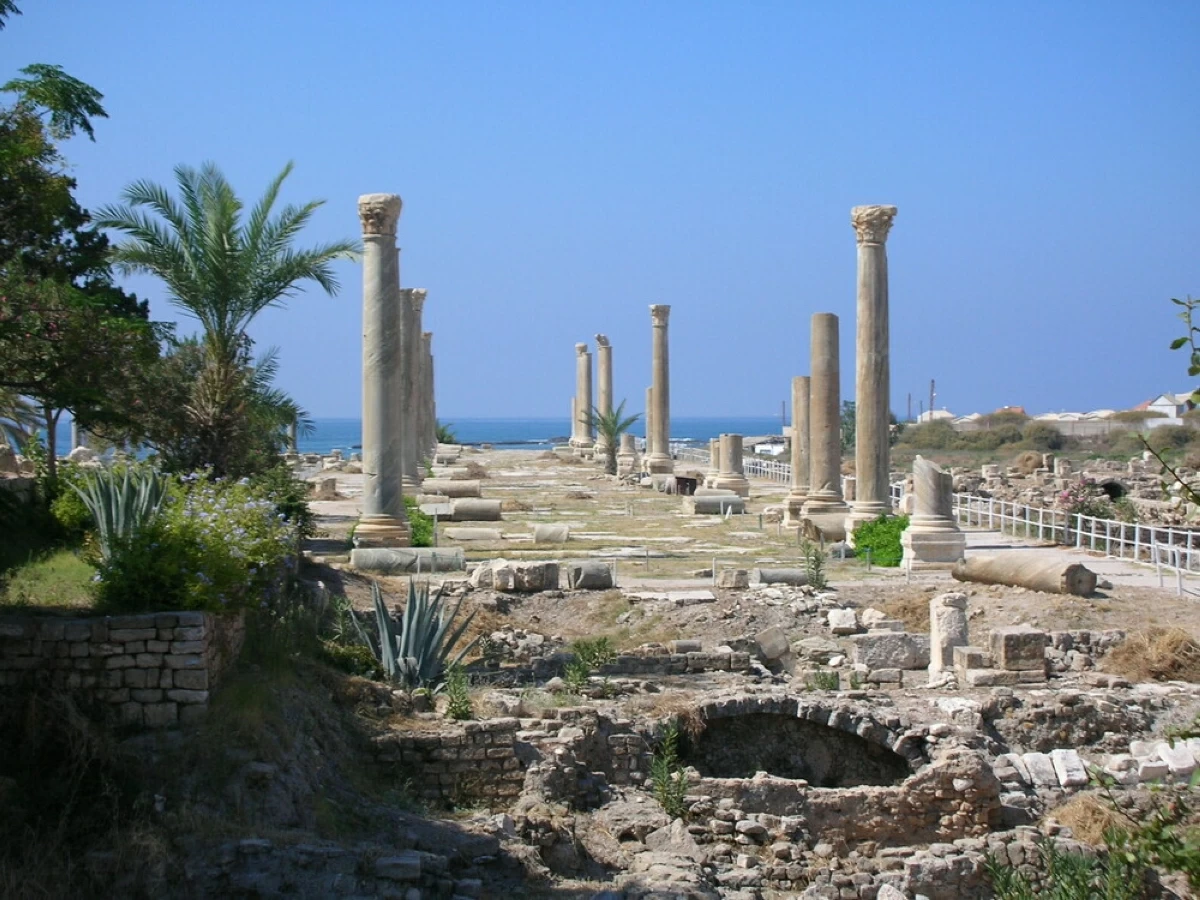
Roman columns in the antique town of Tyre, located on the southern coast of Lebanon, 83 kilometres south of Beirut
(UNESCO photo)
Roman columns in the antique town of Tyre, located on the southern coast of Lebanon, 83 kilometres south of Beirut (UNESCO photo)

AMMAN — Six cultural and natural heritage sites have been placed on UNESCO’s List of World Heritage in Danger, amid growing threats from armed conflicts, climate change, development pressures and other challenges, according to a UNESCO statement issued following a meeting of the World Heritage Committee in Busan, Republic of Korea.

The committee decided to add three sites — the Boma-Badingilo Migratory Landscape in South Sudan, Mount Amel Castles in Lebanon and Sebastia in the State of Palestine — to both the World Heritage List and the List of World Heritage in Danger through an emergency procedure.

UNESCO said that the use of the emergency procedure reflects the impact of multiple crises affecting heritage sites around the world, particularly armed conflicts and environmental pressures that threaten their preservation.

The committee also added three previously listed World Heritage sites to the danger list after determining that they face serious threats to the values that led to their original inscription.

The sites are the Ancient City of Tauric Chersonese and its Chora in Ukraine, the Historic Inner City of Paramaribo in Suriname and Tyre in Lebanon.

According to the UNESCO statement, the Boma-Badingilo Migratory Landscape is home to the world’s largest known terrestrial mammal migration and represents an ecosystem of exceptional global importance.

The site also reflects the cultural and linguistic diversity of communities that have managed the landscape through traditional herding, farming and fishing practices for centuries.

UNESCO identified infrastructure development, commercial poaching, wildlife trafficking and ongoing insecurity as major threats to the South Sudanese site, adding that limited institutional and financial resources have affected conservation efforts.

In Lebanon, Mount Amel Castles — a group of five castles documenting centuries of defensive architecture from the Crusades and Islamic dynasties to the 19th century — has suffered significant damage due to ongoing conflict, UNESCO said.

The site had previously received enhanced protection from UNESCO’s Committee for the Protection of Cultural Property in the Event of Armed Conflict in November 2024.

Sebastia, located in the State of Palestine, was placed on the danger list due to concerns over planned development projects, including the proposed creation of the “Samaria” (Shomron) national park, which UNESCO said could affect the site’s integrity.

The archaeological area preserves evidence of successive civilizations dating back to the 9th century BCE, including the Hellenistic, Roman, Byzantine, Islamic, Crusader, Ayyubid/Mamluk and Ottoman periods.

The UNESCO statement said that the Ancient City of Tauric Chersonese and its Chora in Ukraine faces serious conservation challenges linked to the inability to ensure protection and management of the site amid the occupation of Crimea by the Russian Federation.

UNESCO noted that satellite monitoring carried out with UNITAR/UNOSAT since 2014 has shown deterioration affecting the site’s authenticity and integrity.

The Historic Inner City of Paramaribo in Suriname was added to the danger list after UNESCO identified concerns over construction projects that were carried out without adequate heritage impact assessments.

The committee said that certain structures, including the new National Assembly hall and the Yogh parking garage, have negatively affected the historic urban landscape.

In Lebanon, the ancient city of Tyrewas placed on the danger list due to the continuing hostilities in the country.

UNESCO said that the conflict has created direct risks to the site’s Outstanding Universal Value and urged all parties involved to avoid actions that could cause further damage and to respect obligations under international law.

UNESCO said the World Heritage Committee will continue reviewing additional nominations through July 27.

.col-lg-12.second .opinion-widget{border-top:1px solid #D0D0D0;} #widget_1623 .opinions-title {font-size:32px;} #widget_1623 .opinions-title a{font-size:32px;} .first-author{ background-color:#ecedef; } .first-opinion-author-name{ background-color:white; width:max-content; padding:5px; }
.epaper-separator{ height: 1px; width: 100%; background-color: #D0D0D0; margin: 15px 0; }

Today’s Paper

.related-articles .article-widget-sm .article-title{font-size:16px;-webkit-line-clamp:3;} .related-articles .layout-ratio{padding-bottom:55%;}
.alert-success { color :#A3656F ; } .alert-danger { color : red ; } .footer { font-family:Myriad Pro,Arial; } .newspaper-footer{ visibility:hidden; } .socialFixOuter { position: fixed; top: 50%; margin-top: 40px; right: 0; transition: .2s; z-index: 20; height: 217px; width: 40px; } .socialFix { height: 30px; width: 30px; display: block; position: relative; cursor: pointer; background-size: 18px 18px; transition: .2s; background-position: center; background-repeat: no-repeat; border-radius: 2px; margin-top: 1px; } .socialFix:hover { width: 40px; margin-left: -10px; } .app-badge-img { height: 36px; width: auto; } @media (max-width: 768px) { .app-badge-img { height: 32px; } .app-badges { justify-content: center !important; } }
document.addEventListener("DOMContentLoaded", function () { const socialFix = document.querySelector(".socialFixOuter"); if (!socialFix) return; let firstInteraction = false; let hideTimeout = null; function checkMobileScreen() { if (window.innerWidth < 768) { socialFix.style.display = "none"; } else { socialFix.style.display = "block"; } } checkMobileScreen(); window.addEventListener("resize", checkMobileScreen); function handleFirstInteraction() { if (firstInteraction) return; if (window.innerWidth < 768) return; firstInteraction = true; socialFix.style.right = "-25px"; } socialFix.addEventListener("mouseenter", function () { if (window.innerWidth < 768) return; if (hideTimeout) clearTimeout(hideTimeout); socialFix.style.right = "0"; }); socialFix.addEventListener("mouseleave", function () { if (window.innerWidth < 768) return; if (hideTimeout) clearTimeout(hideTimeout); hideTimeout = setTimeout(() => { socialFix.style.right = "-25px"; }, 500); }); ["click", "touchstart"].forEach((evt) => { socialFix.addEventListener(evt, handleFirstInteraction); }); }); function validateEmail(email) { if (email.length > 255) return false; const emailRegex = /^[a-zA-Z0-9._%+-]+@[a-zA-Z0-9.-]+\.[a-zA-Z]{2,}$/; if (!emailRegex.test(email)) return false; if (email.includes('..') || email.startsWith('.') || email.endsWith('.')) return false; return true; } function sanitizeInput(input) { input = input.replace(/<[^>]*>/g, ''); input = input.replace(/javascript:/gi, ''); input = input.replace(/on\w+\s*=/gi, ''); input = input.replace(/[<>"'&(){}[\]]/g, ''); return input.trim(); } document.addEventListener('DOMContentLoaded', function () { function showModal(message, type) { const messageContainer = document.getElementById("messageContainerFooter"); messageContainer.textContent = message; messageContainer.className = `alert alert-${type} mt-3`; messageContainer.classList.remove("d-none"); setTimeout(() => { messageContainer.classList.add("d-none"); }, 5000); } document.getElementById("emailFormFooter").addEventListener("submit", function(event) { event.preventDefault(); const emailInput = document.getElementById("emailFooter"); const email = sanitizeInput(emailInput.value.trim()); if (!validateEmail(email)) { showModal('Invalid email format', 'danger'); return; } const formData = new FormData(); formData.append('email', email); fetch('/subscribeNewsletter', { method: "POST", body: formData, headers: { "Accept": "application/json", "X-Requested-With": "XMLHttpRequest" } }) .then(response => { if (!response.ok) { showModal("Error submitting email. Try again.", 'danger'); } return response.json(); }) .then(data => { showModal(data.message, 'success'); }) .catch(error => { showModal("Error submitting email. Try again.", 'danger'); }); }); });