






 Share
Share


AMMAN — The UN and its humanitarian partners have voiced growing concern over the continued expansion of areas under Israeli control in the Gaza Strip, warning that the developments are placing civilians at greater risk and further constraining humanitarian operations more than eight months after the ceasefire took effect in October 2025.
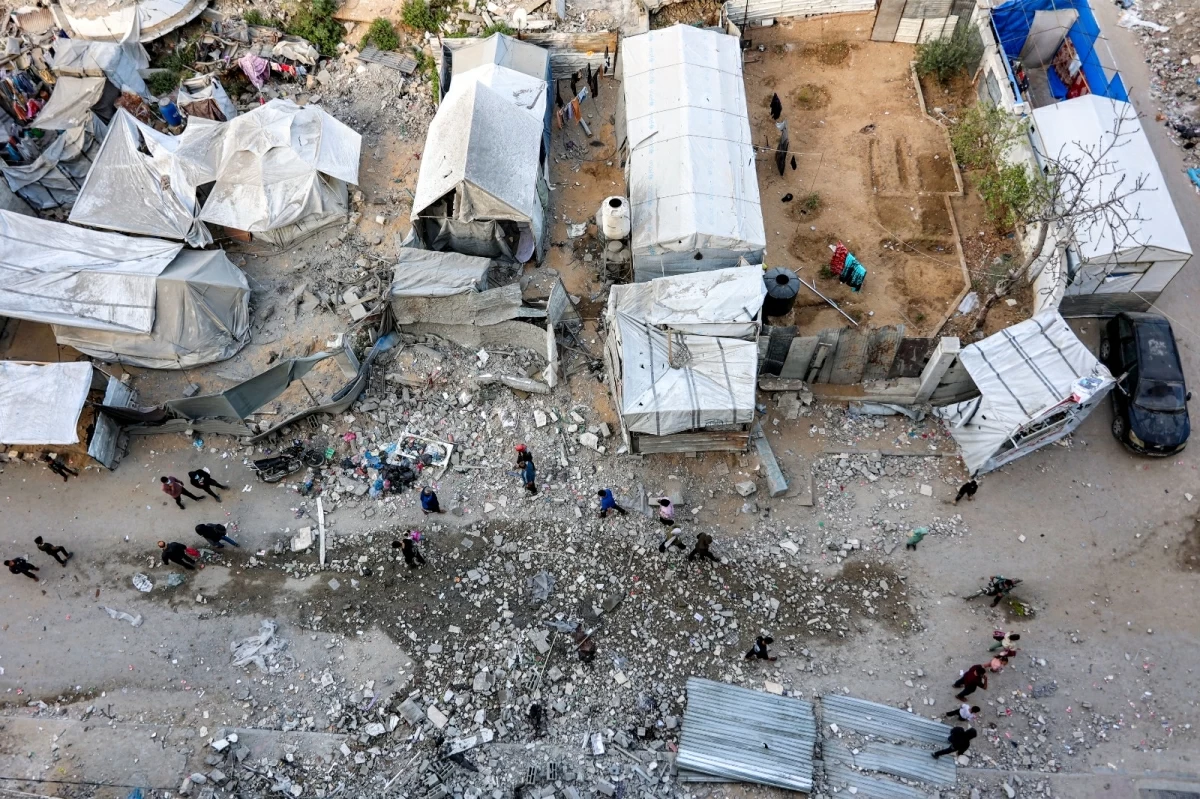
In a report issued on July 1, the Humanitarian Country Team in the Occupied Palestinian Territory said that the repeated expansion of Israeli-controlled areas has forced Gaza's 2.1 million residents into increasingly confined spaces.
Most Palestinians have already been displaced multiple times and are now living in shrinking areas under severe movement restrictions.
The UN Office for the Coordination of Humanitarian Affairs (OCHA) said that the expansion of military-controlled zones is blurring the distinction between civilian and military areas, increasing civilians' exposure to violence while restricting access to essential services.
Humanitarian agencies continue to face significant operational challenges, including movement restrictions, bureaucratic delays at border crossings and a shrinking humanitarian operating space.
Aid organisations say that these obstacles are undermining the delivery of food, medical supplies, clean water and shelter assistance.
"Gaza is being held together by humanitarian workarounds," a senior UN official previously told the Security Council, underscoring the fragility of relief operations.
Funding shortages are further straining humanitarian efforts, particularly water-trucking operations, which currently provide drinking water to more than 70 per cent of Gaza's population.
The UN warned that civilians continue to bear the greatest burden of the crisis. Repeated displacement, overcrowded shelters and deteriorating sanitation conditions have heightened public health risks, including the spread of pests and the potential outbreak of disease.
Access to healthcare also remains severely constrained, with many patients unable to reach medical facilities or receive specialised treatment.
Children and other vulnerable groups continue to face disruptions to education, limited access to essential services and long-term psychological trauma.
Despite the ceasefire, humanitarian needs across Gaza remain acute. While international donors have pledged support for reconstruction, recovery efforts have been hindered by ongoing security restrictions and limited humanitarian access.
A previous Rapid Damage and Needs Assessment conducted by the UN, the European Union and the World Bank estimated that Gaza's reconstruction would require tens of billions of dollars. However, current conditions continue to impede large-scale rebuilding efforts.
The Humanitarian Country Team called for immediate action to protect civilians, guarantee safe and unimpeded humanitarian access and halt further territorial changes that place lives at risk.
It stressed that addressing Gaza's humanitarian crisis requires sustained aid delivery, adherence to international humanitarian law and meaningful progress towards a lasting political solution.
The latest warning underscores the widening gap between the ceasefire agreement and conditions on the ground, as humanitarian agencies continue to urge the international community to address both the immediate needs of civilians and the obstacles preventing Gaza's recovery.
