






 Share
Share


AMMAN — The United Nations High Commissioner for Refugees (UNHCR) has forecast that nearly 200,000 Syrian refugees currently in Jordan will return to Syria by the end of 2025. This figure is part of a larger estimated return of 1.5 million refugees from neighbouring countries.
The UNHCR’s annual report, Global Trends 2024, reveals that nearly two million Syrians have already returned home after over a decade of displacement. Filippo Grandi, the UN High Commissioner for Refugees, emphasised the urgent need to support returning Syrians in rebuilding their lives.
A recent regional survey conducted in January 2025 found a significant shift in refugees’ intentions to return, particularly following the fall of the Syrian regime in December 2024.
While 80 per cent of refugees in Jordan, Lebanon, Egypt, and Iraq expressed a desire to return “one day,” 27 per cent said they plan to return within a year, a sharp increase from less than 2 per cent in April 2024.
Despite this hopeful trend, 55 per cent of refugees remain hesitant due to ongoing security concerns, destroyed homes, and limited access to basic services like electricity and healthcare.
Among those intending to return soon, 88 per cent said they will go back to their original hometowns, motivated by a desire to help rebuild their communities.
The report calls for continued support to Jordan and neighbouring countries to maintain refugee protections and basic services, alongside urgent investment in Syria’s infrastructure to ensure safe and sustainable returns.
UNHCR projects returns of around 700,000 refugees from Turkey, 400,000 from Lebanon, 200,000 from Jordan, and 25,000 from Egypt by the end of 2025.
Also, around 2 million internally displaced Syrians are expected to return to their original homes within the country during this period.
The number of people forced to flee persecution, conflict, violence, human rights violations and events seriously disturbing public order rose in 2024, reaching a record 123.2 million. This is an increase of 7 million people or 6 per cent compared to the end of 2023.
One in 67 people globally were forcibly displaced at the end of 2024. Slightly more than one-third of all forcibly displaced people globally were Sudanese (14.3 million), Syrian (13.5 million), Afghan (10.3 million) or Ukrainian (8.8 million).
Refugee returns reported in 2024 were the highest for more than two decades. For most refugees, returning home remains the preferred solution to their displacement situation.
However it is essential that returns remain voluntary and take place in safety and dignity. As laid out in the fourth objective of the Global Compact on Refugees, for returns to be sustainable, especially on a large-scale, conditions in the countries of origin need to have improved sufficiently to support their reintegration.
Lasting peace, or at least a cessation of fighting, is paramount. In the past year, 92 per cent of the 1.6 million returns were to only four countries: Afghanistan, Syria, South Sudan and Ukraine.
Many Afghans, Syrians and South Sudanese have returned in adverse conditions and arrived in extremely fragile situations. In Ukraine, despite the war entering its fourth year, many vulnerable refugees have chosen to return partly due to challenges in accessing rights and services in host countries.
In Afghanistan, returnees have arrived in a country gripped with pervasive poverty, soaring unemployment, severely inadequate public services and widespread food insecurity.
For women and girls, returns are especially difficult, as they return to an environment where their basic rights, including the right to education, to freedom of movement and the right of expression, are being systematically eroded.
The events of December 8 significantly shifted the dynamics surrounding refugee returns to Syria, with an upsurge in the number of refugees in neighbouring countries expressing a positive intention to return home.
The first months of 2025 saw rising numbers of Syrians returning and, despite a fragile security and socio-economic situation in parts of the country, returns have generally continued.
As of mid-May 2025, more than 500,000 Syrians are estimated to have crossed back into Syria since the fall of the Assad government, overwhelmingly from neighbouring countries.
This positive trend is equally observed in the return of internally displaced people within Syria. An estimated 1.2 million internally displaced people have returned to their areas of origin since the end of November 2024.
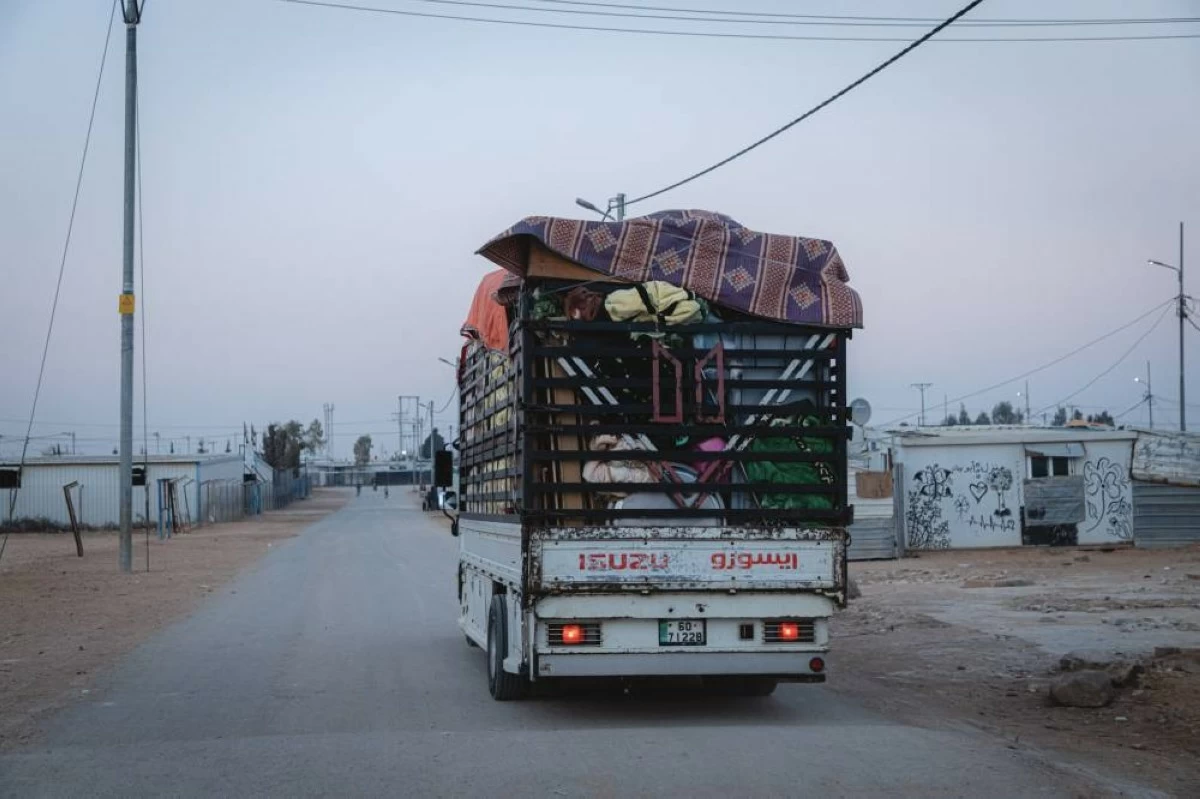
As of early 2024, Jordan hosts some 710,000 refugees registered with UNHCR, with the majority being Syrian nationals. The Jordanian government stressed that all refugee returns should be voluntary, expressing concerns about the safety and security of returnees due to the lack of essential services in Syria.
Between December 8, 2024, and February 22, 2025, official data indicates that 43,704 Syrian refugees returned from Jordan to Syria.
This group comprised 23,867 males and 19,837 females, primarily aged between 18-35 and 36-59 years. Notably, 70 per cent returned permanently, while 30 per cent maintained ties with Jordan, reflecting a pattern of partial return.
The Ministry of Interior reported that, as of late January 2025, 1,053 Syrian refugees voluntarily departed from camps, and an additional 10,262 refugees living outside camps also chose to return to Syria.
The UNHCR expects that up to 1 million Syrians may return within the first half of 2025, following the significant political changes in Syria.
However, the agency underscores that returns should be voluntary, safe, and dignified, cautioning against premature repatriation due to ongoing humanitarian needs and security concerns in Syria.
In Jordan, efforts continue to support refugees, focusing on providing accurate information, counselling, and assistance to those considering return, while also ensuring the well-being of those who choose to remain.
