






 Share
Share


AMMAN — The humanitarian situation in Gaza remains volatile and insecure despite the ceasefire, according to the latest Humanitarian Situation Report issued by the United Nations Office for the Coordination of Humanitarian Affairs (OCHA) on Saturday.
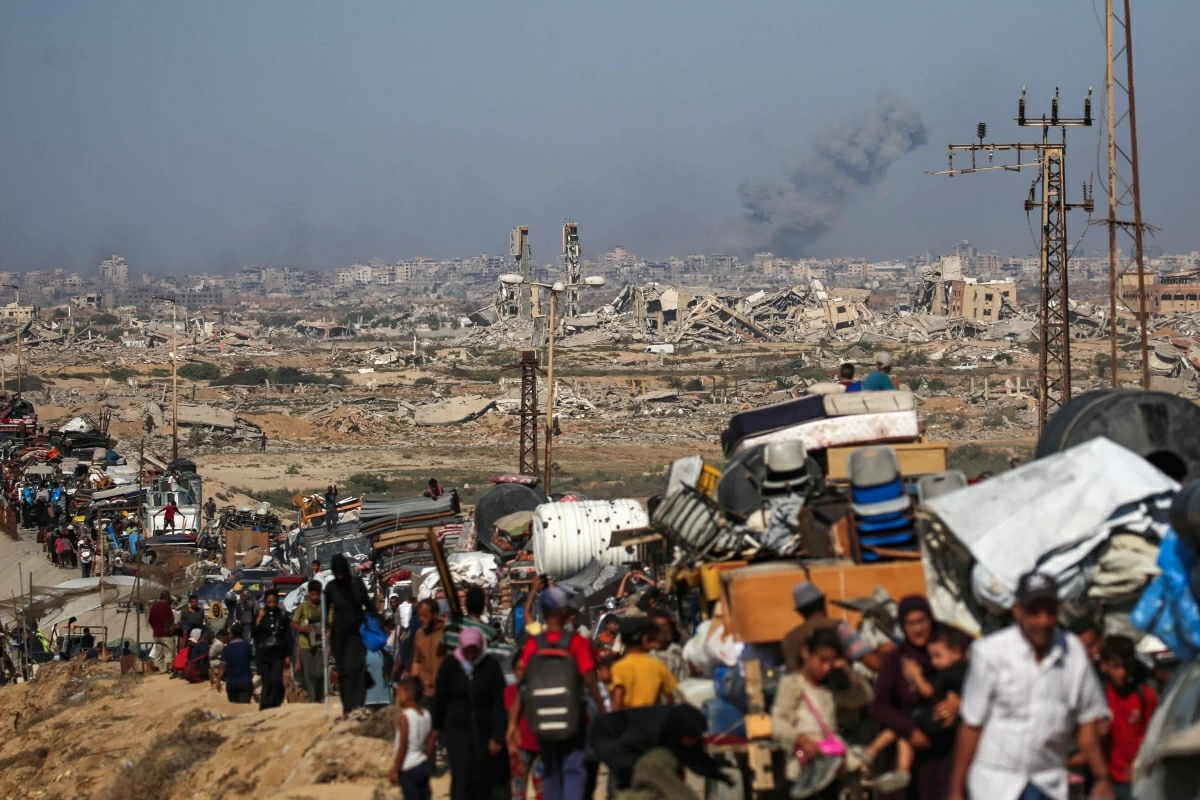
The report said that daily strikes continue to result in civilian casualties, while nearly the entire population of approximately 2.1 million people remains displaced in increasingly overcrowded areas with overstretched essential services.
Public health concerns are also mounting, with OCHA warning of growing threats posed by pests and rodents.
The accumulation of solid waste in residential areas, driven by restricted access to landfills and limited imports of essential equipment, has contributed to contamination of food supplies and living spaces, increasing the risk of illness, particularly among children.
According to the report, infectious diseases accounted for around 20 per cent of health consultations recorded through the World Health Organisation’s Early Warning System between late April and late May.
Acute respiratory infections represented the largest share of reported cases, followed by a rise in skin diseases and acute watery diarrhoea.
In response, humanitarian partners have launched a pest-control campaign targeting more than 1,180 priority locations, including hospitals, shelters and waste disposal sites.
OCHA noted that sustained progress will depend on the regular entry of pesticides and other critical supplies.
Water shortages continue to place additional pressure on families across Gaza. UNICEF warned that many households are being forced to choose between drinking water, hygiene needs and disease prevention measures.
Overall water production in the enclave declined by approximately 20 per cent in May compared with previous months, largely due to shortages of treatment chemicals and spare parts. Damage to water infrastructure caused by ongoing strikes has further complicated repair efforts.
Humanitarian access has also become more restricted. Since May 24, the Zikim crossing has remained closed, leaving Kerem Shalom as the only operational cargo crossing for humanitarian aid.
The report noted that a new checkpoint introduced on June 1 has led to significant delays, congestion and reduced fuel deliveries, further hampering relief operations.
In May, the UN and its partners offloaded approximately 51,900 pallets of humanitarian assistance, a slight increase from April levels but still below those recorded in earlier months.
Commercial imports also remained below pre-escalation averages, with a considerable share consisting of non-essential goods.
Meanwhile, funding shortages are forcing humanitarian organisations to scale back critical services. OCHA warned that the gradual suspension of water trucking operations could leave more than 330,000 people without reliable access to drinking water.
Food assistance has also declined sharply, with daily meal distributions falling from approximately 1.5 million meals in mid-March to 678,000 by the end of May.
Humanitarian partners have additionally reduced or suspended support for agriculture, site management, education, child protection programmes and safe spaces for women.
The report highlighted the continuing insecurity across the territory. Between May 20 and June 3, Gaza's Ministry of Health reported 45 fatalities and 254 injuries.
The UN Human Rights Office also documented at least 26 Palestinian deaths since late May, including women and children.
Strikes during the reporting period damaged humanitarian facilities, schools and infrastructure located near hospitals, according to the report.
OCHA said the situation reflects a fragile post-ceasefire environment marked by operational constraints, funding gaps and ongoing violence.
Humanitarian agencies warned that without improved access, sustained supply flows and adequate financial support, conditions could deteriorate further, increasing the risk of disease outbreaks and deepening the suffering of Gaza's displaced population.
