
Saudi traveller says Jordan's greatest treasure is its people

No Image

No Image

AMMAN — A Saudi traveller who spent 10 days exploring Jordan's archaeological landmarks and natural attractions has said the country's most lasting impression came not from its ancient monuments, but from the warmth and generosity of its people.

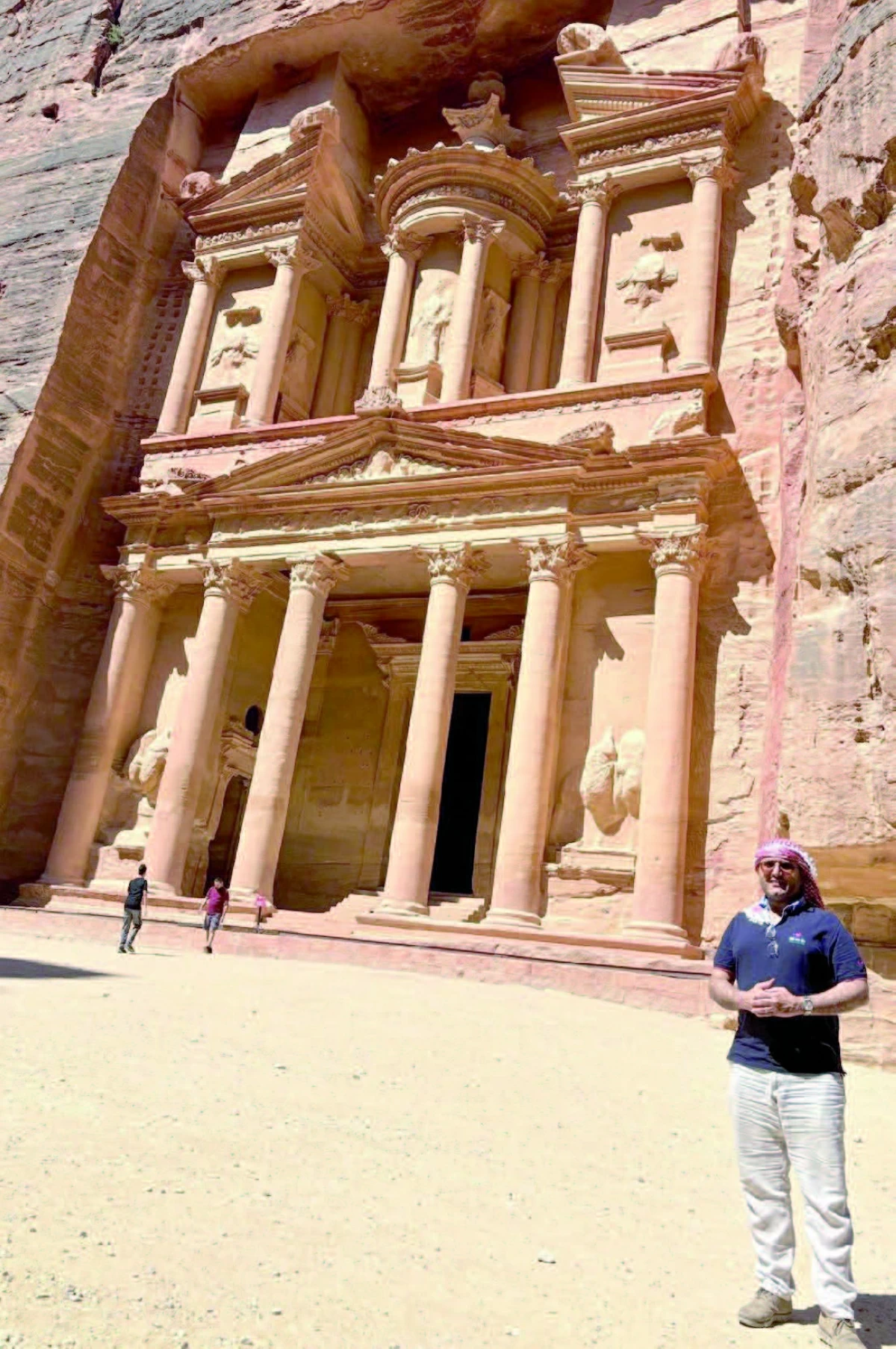
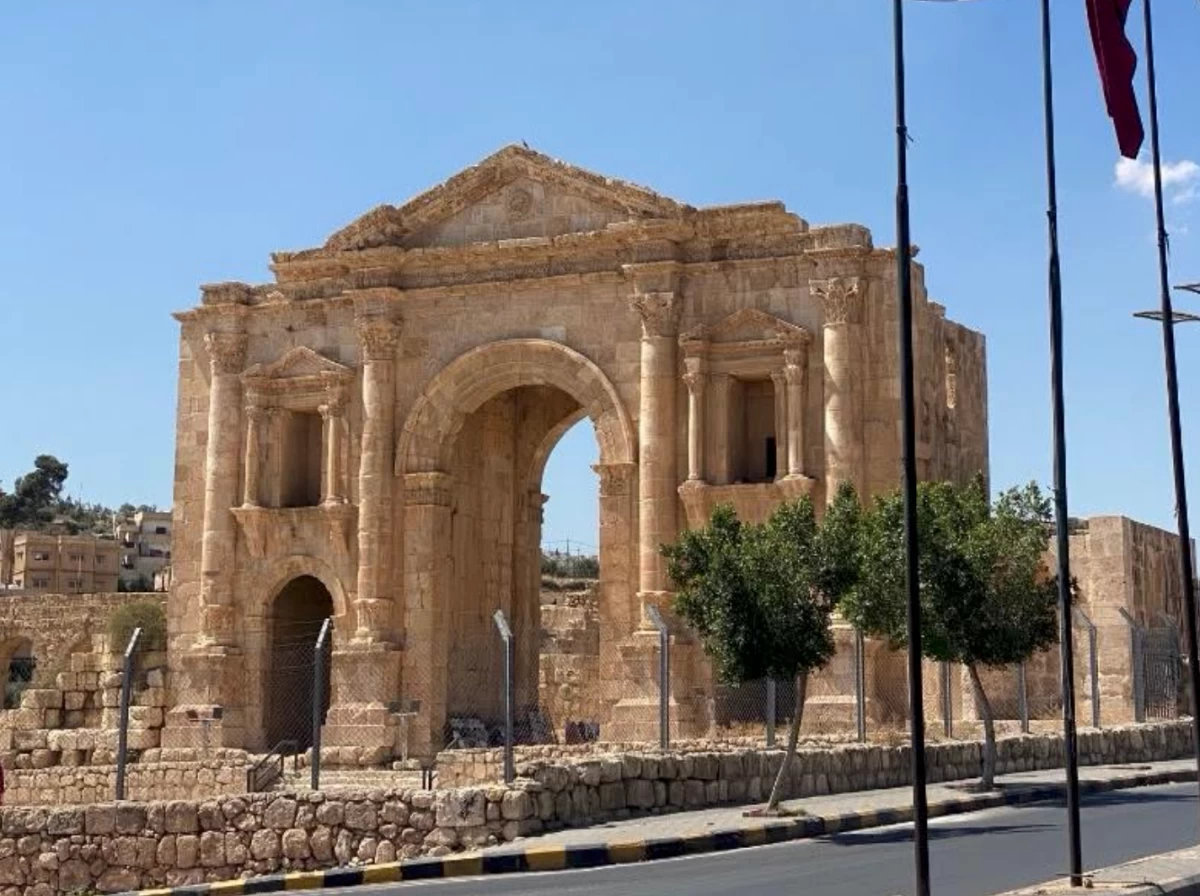
Ghaith Alshaia, a researcher and heritage enthusiast from Dhahran, Saudi Arabia, recently completed a journey across Jordan that took him from the rose-red city of Petra to the Roman ruins of Jerash, the castles of Karak, the mosaics of Madaba, and the shores of the Dead Sea.

“Before visiting Jordan, I expected to be impressed by Petra, Jerash, Amman, Karak, Madaba, Umm Qais, Ajloun, the Dead Sea, and Aqaba. I was not disappointed. I encountered magnificent archaeological sites, breathtaking landscapes, and traces of civilisations that have shaped the region for thousands of years,” Alshaia wrote in an article for The Jordan Times.

While the trip fulfilled his expectations of discovering some of the Middle East's most celebrated historical sites, Alshaia said it was the hospitality and character of ordinary Jordanians that ultimately defined his experience.

He noted that hospitality appeared to be a natural part of daily life rather than a practice reserved for visitors. Throughout his journey, he received invitations for coffee, meals and conversation, often accompanied by the familiar Jordanian expression "Jirat Allah."

“In cities, villages, markets, restaurants, hotels, and roadside cafés, I repeatedly encountered a level of generosity that felt genuine and unforced. Hospitality was not presented as a performance for visitors. It appeared to be a natural part of everyday life. Time and again, I heard Jordanians use the expression “Jirat Allah,” extending invitations for coffee, meals, conversation, or simple companionship.”

During his travels, Alshaia visited cities, villages, markets and tourist destinations across the Kingdom, observing what he described as a remarkable diversity of landscapes and cultures packed into a relatively small geographic area.

“Jordan's diversity is remarkable. Within a relatively small country, one can move between deserts, mountains, forests, fertile valleys, ancient cities, Roman ruins, Islamic landmarks, and biblical sites,” he wrote, adding, “Few countries offer such a concentration of history and culture within such short distances. Yet despite the richness of Jordan's historical and natural treasures, I found myself increasingly drawn to something else: the character of the Jordanian people.”

Yet beyond the country's renowned attractions, Alshaia repeatedly encountered gestures of kindness that left a lasting impression.

“What impressed me most was the balance between hospitality and dignity. The Jordanians I met were welcoming without being intrusive, friendly without being overwhelming, and proud of their country without feeling the need to promote it constantly. There was a quiet confidence in the way people carried themselves.”

One encounter during the Eid holiday particularly stood out.

While driving through a local market, Alshaia noticed several children selling sweets. Expecting one of them to offer him something for sale, he instead witnessed a simple act of generosity.

"A young boy approached my car, smiled, tossed a handful of holiday sweets through the window and walked away without asking for payment or expecting anything in return," he recalled. "It was a small gesture, but it said a great deal."

According to Alshaia, the experience revealed a society comfortable in its identity and confident in its traditions.

"When people think of Jordan, they often think first of Petra or the Dead Sea," he said. "Those places are extraordinary, but the people are equally deserving of recognition."

Reflecting on his journey, Alshaia said Jordan's monuments tell the story of its rich past, while its citizens embody the values that continue to shape the country today.

"Jordan's history is impressive," he said. "But its people are what make the experience unforgettable."

Ghaith Alshaia is a Saudi traveller, researcher and heritage enthusiast based in Dhahran, Saudi Arabia. He has conducted extensive field journeys across the Arabian Peninsula, documenting historical sites, exploration routes, archaeological landscapes and stories connected to the region's cultural heritage.
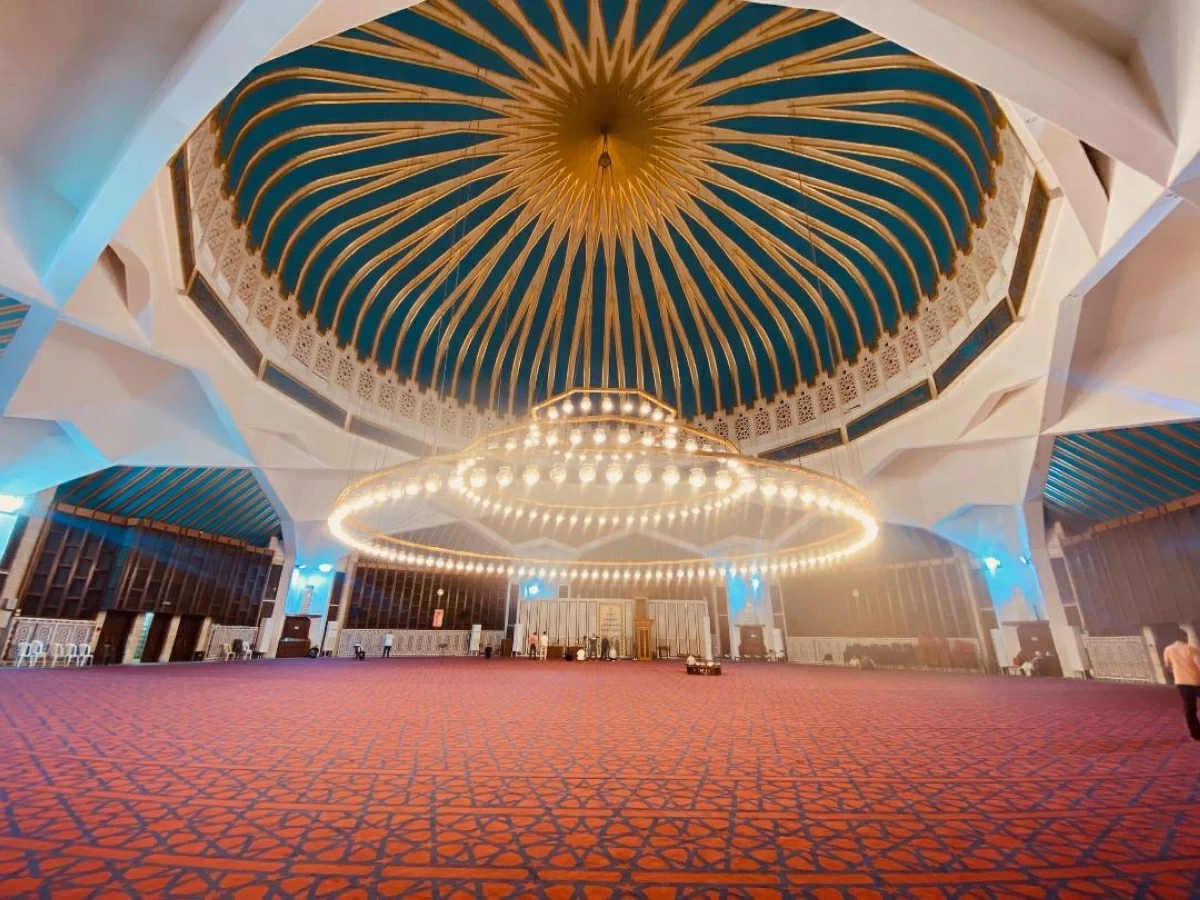
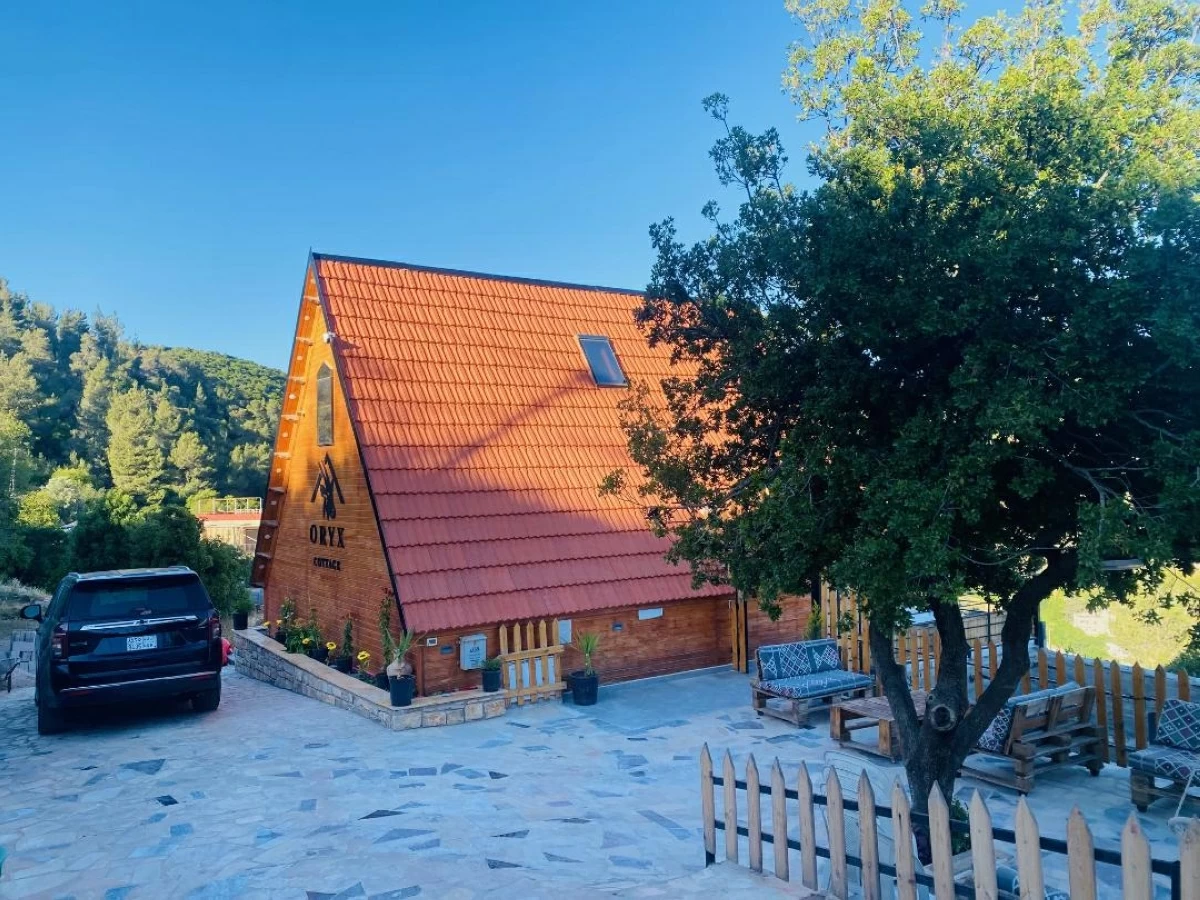
Ghaith Alshaia, a researcher and heritage enthusiast from Dhahran, Saudi Arabia, completes a journey across Jordan that took him from the rose-red city of Petra to the Roman ruins of Jerash, the castles of Karak, the mosaics of Madaba, and the shores of the Dead Sea
(Photos by Ghaith Alshaia)
Ghaith Alshaia, a researcher and heritage enthusiast from Dhahran, Saudi Arabia, completes a journey across Jordan that took him from the rose-red city of Petra to the Roman ruins of Jerash, the castles of Karak, the mosaics of Madaba, and the shores of the Dead Sea
(Photos by Ghaith Alshaia)

.col-lg-12.second .opinion-widget{border-top:1px solid #D0D0D0;} #widget_1623 .opinions-title {font-size:32px;} #widget_1623 .opinions-title a{font-size:32px;} .first-author{ background-color:#ecedef; } .first-opinion-author-name{ background-color:white; width:max-content; padding:5px; }
.epaper-separator{ height: 1px; width: 100%; background-color: #D0D0D0; margin: 15px 0; }

Today’s Paper

.related-articles .article-widget-sm .article-title{font-size:16px;-webkit-line-clamp:3;} .related-articles .layout-ratio{padding-bottom:55%;}
.alert-success { color :#A3656F ; } .alert-danger { color : red ; } .footer { font-family:Myriad Pro,Arial; } .newspaper-footer{ visibility:hidden; } .socialFixOuter { position: fixed; top: 50%; margin-top: 40px; right: 0; transition: .2s; z-index: 20; height: 217px; width: 40px; } .socialFix { height: 30px; width: 30px; display: block; position: relative; cursor: pointer; background-size: 18px 18px; transition: .2s; background-position: center; background-repeat: no-repeat; border-radius: 2px; margin-top: 1px; } .socialFix:hover { width: 40px; margin-left: -10px; } .app-badge-img { height: 36px; width: auto; } @media (max-width: 768px) { .app-badge-img { height: 32px; } .app-badges { justify-content: center !important; } }
document.addEventListener("DOMContentLoaded", function () { const socialFix = document.querySelector(".socialFixOuter"); if (!socialFix) return; let firstInteraction = false; let hideTimeout = null; function checkMobileScreen() { if (window.innerWidth < 768) { socialFix.style.display = "none"; } else { socialFix.style.display = "block"; } } checkMobileScreen(); window.addEventListener("resize", checkMobileScreen); function handleFirstInteraction() { if (firstInteraction) return; if (window.innerWidth < 768) return; firstInteraction = true; socialFix.style.right = "-25px"; } socialFix.addEventListener("mouseenter", function () { if (window.innerWidth < 768) return; if (hideTimeout) clearTimeout(hideTimeout); socialFix.style.right = "0"; }); socialFix.addEventListener("mouseleave", function () { if (window.innerWidth < 768) return; if (hideTimeout) clearTimeout(hideTimeout); hideTimeout = setTimeout(() => { socialFix.style.right = "-25px"; }, 500); }); ["click", "touchstart"].forEach((evt) => { socialFix.addEventListener(evt, handleFirstInteraction); }); }); function validateEmail(email) { if (email.length > 255) return false; const emailRegex = /^[a-zA-Z0-9._%+-]+@[a-zA-Z0-9.-]+\.[a-zA-Z]{2,}$/; if (!emailRegex.test(email)) return false; if (email.includes('..') || email.startsWith('.') || email.endsWith('.')) return false; return true; } function sanitizeInput(input) { input = input.replace(/<[^>]*>/g, ''); input = input.replace(/javascript:/gi, ''); input = input.replace(/on\w+\s*=/gi, ''); input = input.replace(/[<>"'&(){}[\]]/g, ''); return input.trim(); } document.addEventListener('DOMContentLoaded', function () { function showModal(message, type) { const messageContainer = document.getElementById("messageContainerFooter"); messageContainer.textContent = message; messageContainer.className = `alert alert-${type} mt-3`; messageContainer.classList.remove("d-none"); setTimeout(() => { messageContainer.classList.add("d-none"); }, 5000); } document.getElementById("emailFormFooter").addEventListener("submit", function(event) { event.preventDefault(); const emailInput = document.getElementById("emailFooter"); const email = sanitizeInput(emailInput.value.trim()); if (!validateEmail(email)) { showModal('Invalid email format', 'danger'); return; } const formData = new FormData(); formData.append('email', email); fetch('/subscribeNewsletter', { method: "POST", body: formData, headers: { "Accept": "application/json", "X-Requested-With": "XMLHttpRequest" } }) .then(response => { if (!response.ok) { showModal("Error submitting email. Try again.", 'danger'); } return response.json(); }) .then(data => { showModal(data.message, 'success'); }) .catch(error => { showModal("Error submitting email. Try again.", 'danger'); }); }); });