






 Share
Share


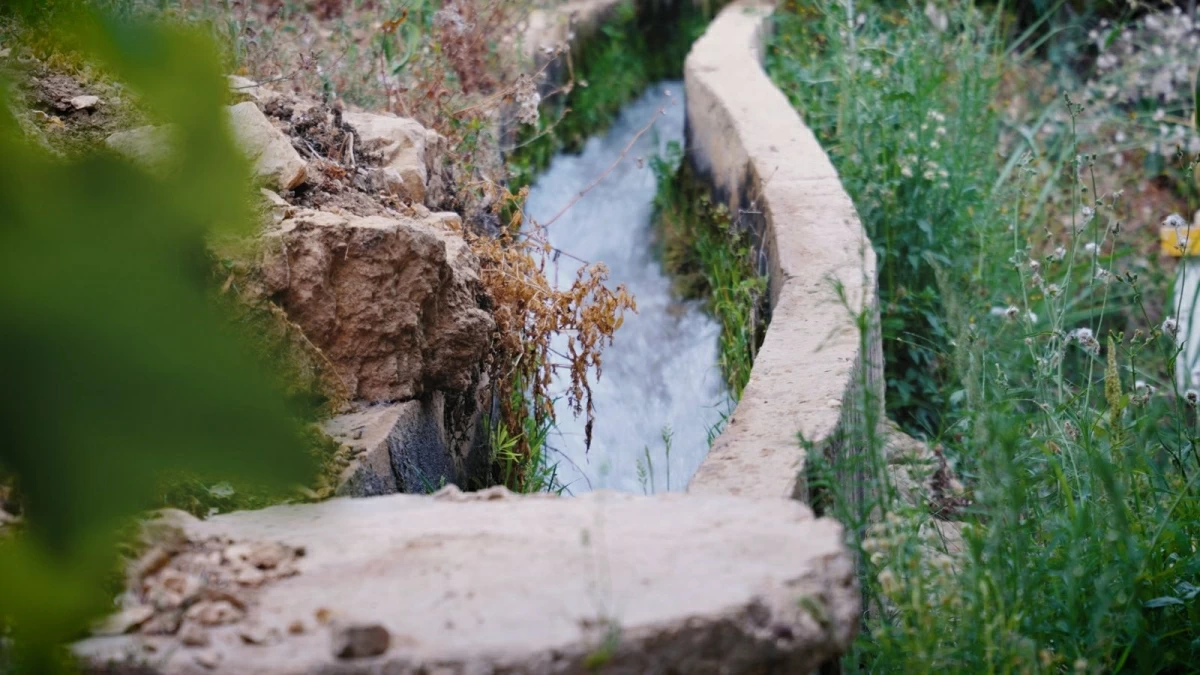
AMMAN — The canal that runs through Iraq Al Amir is as ancient as the Romans came. The Roman Empire fell. The canal survived. It was built in clay, maintained by generations of farmers who knew that without it, nothing on these slopes would grow.
For years, the canal delivered meagerly. Blockages and deterioration meant that up to 30 per cent of the water was lost before it reached the orchards. Farmers at the tail end of the system irrigated half their land and waited two weeks before they could return to the other half.
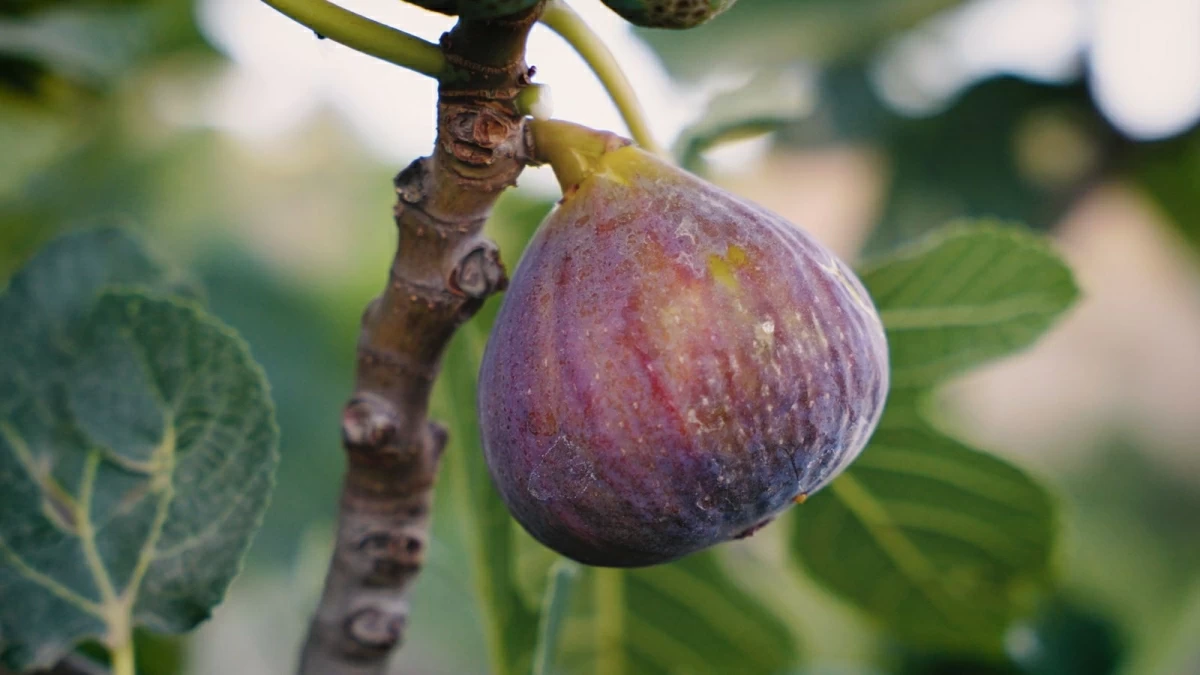
One casualty was the difour, an early fig once common on these slopes. It depended on steady water from the canal. When the canal failed, the difour stopped appearing too.
Khaled Al Mahameed has farmed figs and olives in Iraq Al Amir, in Wadi Al Seer, for most of his life. He describes what the canal means to the community in simple terms.
“The canal in Iraq Al Amir feeds around 15,000 residents of the area. Before, water losses from the first 200 metres alone were running at 30 per cent, flowing away into the wadi towards the Kafrein Dam. Now, after the Al Murunah project rehabilitated the canal, losses are close to zero.” he said.
The rehabilitation covered 650 metres of the canal under Al Murunah, a project funded by the UK's Foreign Commonwealth and Development Office (FCDO) and implemented by the International Water Management Institute (IWMI) and the International Union for Conservation of Nature (IUCN).
“Al Murunah demonstrates how nature-based solutions can help address Jordan's water and climate challenges by working with both natural systems and communities,” said Regional Programme Manager for Water and Climate Change at the IUCN Regional Office for West Asia Ali Hayajneh.
“By combining investments in water infrastructure, ecosystem stewardship and meaningful community engagement,” Hayajneh added.
“The project builds resilience that goes beyond immediate water management gains and offers practical lessons for strengthening water security, supporting livelihoods and enhancing climate resilience in Jordan,” he added.
The physical work was the beginning. What followed was a shift in how the canal is governed.
Farmers now contribute to maintenance based on their water allocation. Each minute of water use is priced, and every farmer pays according to their share.
“Each hour is divided at JD5, which works out to roughly eight or nine fils per minute. I have 10 minutes of water, so I pay about 90 fils. Everyone pays according to their minutes. This has raised their sense of responsibility, when you pay for something, you look after it.” Al Mahameed said.
The results are visible in the orchards. When a tree receives its full irrigation, the branches grow longer, the fruit is larger, and the yield higher. Al Mahameed puts the income increase at around 30 per cent.
“A single branch that used to produce around JD300 a year, with full care and water, can now give you between JD1,000 and JD1,200. With the extra water, we went from irrigating every 14 days to every week. Income has gone up by JD200 to JD300 a year, which is around 30 per cent more.”
And this season, for the first time in years, the difour has returned. It is a breba variety, fruiting weeks ahead of the main harvest, and it needs consistent moisture to set its early fruit, exactly what the canal, restored, can now provide.
“This season, thank God, was a rainy one, and the figs have the difour on them. The difour means the fig comes down before its natural time. Regular figs fruit from mid-July, but the difour we expect from mid-June.”
“The fruit is bigger and sweeter, even if the total quantity is less. Right now it sells for JD10 a kilo, sold fresh directly to the consumer.”
The canal has always required maintenance. Al Mahameed was supervising a cleaning run just last week, paid for by the farmers themselves.
“We have annual maintenance. Before we open the water at the start of the season, we cut the canal from the spring and clean it from beginning to end. Last week I was supervising the maintenance and we paid around JD500 from our own pockets,” Al Mahameed said.
The community has also built a system for emergencies. When a collapse or flood damage occurs, farmers pool resources on the spot.
“Al Murunah supported us and we thank them. But sustainability is on us. They gave us the support and it is up to us to maintain it.”
The canal is one part of a larger effort in Iraq Al Amir.
Alongside the infrastructure work, a separate programme called Al Murunah+ is running in the same farming communities. Where Al Murunah fixes the water system, Al-Murunah+ works inside the home.
Jordan is one of the most water-scarce countries in the world. When rainfall is low and the canal runs dry, it is rarely the whole family that absorbs the loss equally.
Women in rural farming households are often the last to have a say in how water is allocated, how income is spent, or whether the family takes out a loan to survive a bad season.
They carry much of the agricultural labour and most of the domestic work, but decisions about land, water, and money have traditionally sat with men.
Al-Murunah+ starts from the premise that this is not just a fairness problem. It is a resilience problem.
A household where both partners plan together, save together, and make decisions together is better equipped to handle a drought, a price collapse, or a failed harvest than one where half the household has no voice, according to Sawsan Gharaibeh, Project Lead and Regional Researcher, Gender and Social Inclusion.
The programme brings couples together in weekly group sessions to work through exactly these questions: how to build a household budget, how to set priorities when money is tight, how to plan for the season ahead rather than react to what comes.
Alongside the sessions, women receive direct economic support such as tools, equipment, and access to income-generating activities that put resources in their hands.
“When both partners have a voice in how water is managed and how income is spent, the household becomes more resilient. That is what Al Murunah+ is designed to do, work alongside water infrastructure investments to build the social conditions that make them last,” Gharaibeh said.
It is this promise that will achieve integrated resilience, according to project officials.
“Al Murunah+ reflects the UK's commitment to gender transformative climate action. It builds on our long standing partnership with the government of Jordan and offers a model to scale and replicate across Jordan and the region. The programme supports locally led adaptation that tackles environmental and social inequalities, delivering more inclusive and resilient outcomes for communities most affected by climate change,” a UK government spokesperson said.
