






 Share
Share


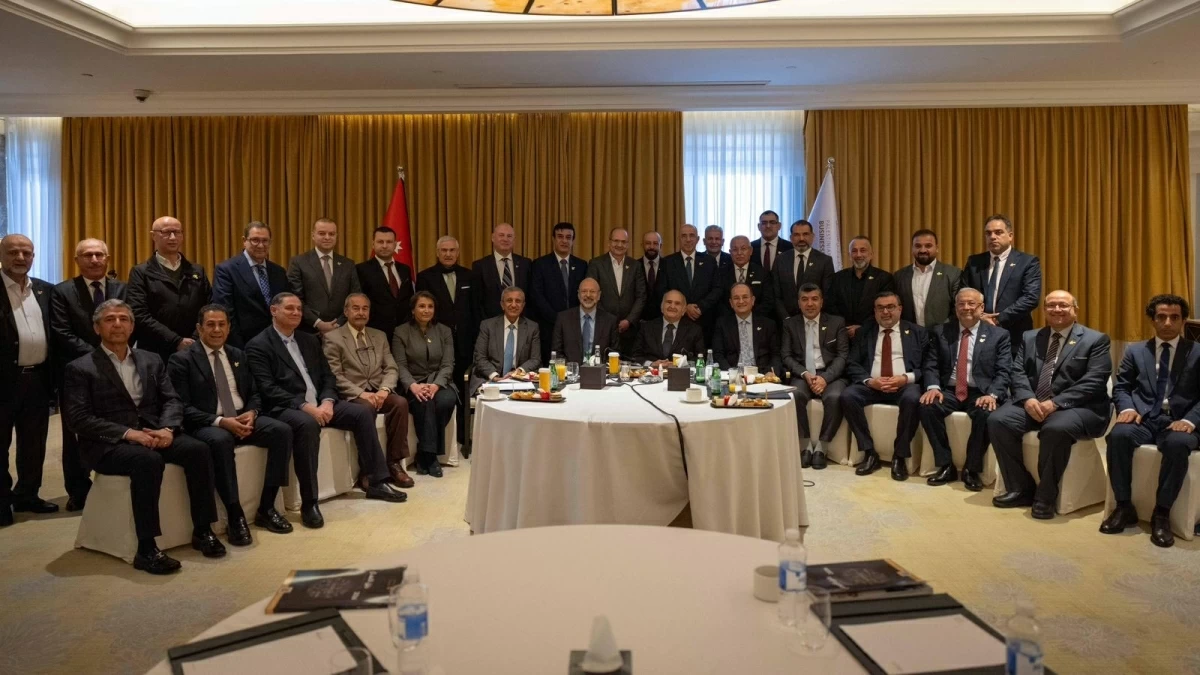
AMMAN — HRH Prince El Hassan Bin Talal on Tuesday took part in a dialogue session organised by the Palestinian-Jordanian Business Forum titled “Jordan amid Regional Geopolitical Changes,” where participants discussed economic cooperation between Jordan and Palestine and ways to enhance it amid regional instability.
The session, attended by business leaders and economic experts, addressed current geopolitical developments and their impact on trade and investment flows in the region, the Jordan News Agency, Petra, reported.
Prince El Hassan warned of rising extremism in the region and growing concerns over the future of Palestinians amid discussions of Israeli annexation plans, stressing the humanitarian dimension of the crisis.
He said approximately 2,900 children remain missing under the rubble, calling for such figures to be viewed as human tragedies rather than statistics.
He stressed that trade can no longer be measured solely by export volumes, but must also reflect fairness in access to markets amid restrictions on crossings and the movement of goods, highlighting Jordan’s role in regional economic integration.
Prince El Hassan added that Jordan’s role should evolve into tangible economic value creation through advanced logistics services, data-driven systems, and participation in a multi-corridor regional network.
He noted that the region is entering a phase of structural instability in which military escalation has become a persistent factor shaping economic activity and risk levels, reinforcing Jordan’s position as a stable hub in a volatile environment.
He also outlined strategic priorities for economic transformation, including turning transit geography into added economic value and strengthening regional corridor networks to enhance economic integration with Palestine.
Prince El Hassan said the global economy is moving toward a multipolar system of economic corridors, stressing that the deeper shift must be toward a sustainable model based on equitable access, human dignity, and a “people-first” development approach.
He reiterated the importance of comprehensive human security, linking economic, water and social dimensions, and called for “humanising statistics” to ensure development policies remain centred on human needs.
He also stressed the importance of anticipating crises through data-driven analysis and foresight.
Forum Chairman Nazmi Attam highlighted challenges facing the business sector, including supply chain disruptions and energy shortages, stressing the need to strengthen trade and economic cooperation between Jordan and Palestine.
He said trade volumes remain below potential due to logistical and political constraints, particularly following recent regional developments.
Forum Vice Chairman Saleh Marqa said bilateral trade potential significantly exceeds current levels, but has been affected by reduced cargo movement and logistical barriers.
He proposed expanding cooperation in strategic sectors, including pharmaceuticals and food industries, alongside measures to improve market access and address structural obstacles.
Participants also discussed the importance of sustainable financing tools, including developmental endowments, to support economic resilience and stability.
