






 Share
Share


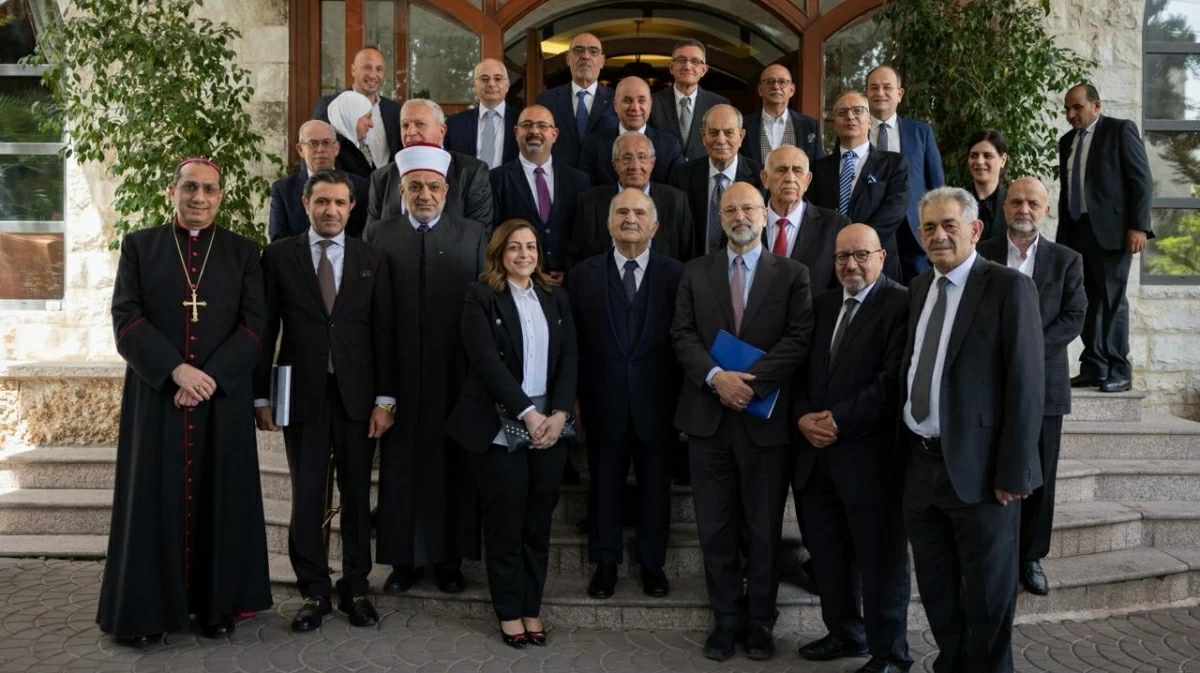
AMMAN — HRH Prince El Hassan Bin Talal on Wednesday met with a delegation of Jerusalemites as part of a series of consultative meetings aimed at establishing the Hashemite Jerusalem Waqf in its official form, which is expected to be approved ahead of Eid Al Adha.
The initiative is part of a broader national effort led by Prince El Hassan to institutionalise the Waqf, in line with the Royal vision of His Majesty King Abdullah and the Hashemite custodianship over Islamic and Christian holy sites in Jerusalem.
The proposed framework seeks to formalise and sustain the Hashemite role in safeguarding the holy sites while preserving Jerusalem’s inclusive Arab identity, the Jordan News Agency, PEtra, reported.
During the meeting, Prince El Hassan stressed that the registration of the Hashemite Waqf represents a responsibility and a renewal of a deeply rooted historic covenant grounded in the Hashemite custodianship and its internationally recognised religious, historical, and legal legitimacy.
“Jerusalem is a living conscience and a daily test of our shared humanity, standing far beyond a mere headline in a news bulletin or a passing negotiating file,” he said.
Prince El Hassan also highlighted the deepening humanitarian crisis, noting that more than 71,000 people have been killed in the Gaza Strip and over 171,000 injured, many of whom have sustained permanent disabilities, while tens of thousands of children are being deprived of their childhood or even their lives.
“These figures represent a stark human reality, with lives being reshaped under unprecedented pressure,” he added.
He also drew attention to parallel developments in Jerusalem, saying they are undermining the existing historical and legal status quo. He cited repeated incursions into Al Aqsa Mosque and increasing restrictions on access to Islamic and Christian holy sites, including the Church of the Holy Sepulchre during religious holidays.
Prince El Hassan warned that such measures risk imposing a new reality on the ground.
He also cautioned against increasingly harsh legislation, including proposals related to the execution of Palestinian prisoners, noting that such measures are inconsistent with international humanitarian law.
“Jerusalem is a matter of human dignity and identity, not merely politics,” he said, stressing that preserving the status quo at Al Aqsa Mosque is essential for regional stability and for protecting the city’s religious and cultural diversity.
Members of the Jerusalemite delegation outlined the challenges faced by residents, including issues related to the “Custodian of Absentees’ Property,” repeated attacks, and restrictions affecting the rights of both Muslims and Christians.
Minister of Awqaf Mohammad Khalayleh said the initiative is part of Jordan’s ongoing efforts to support Jerusalemites and safeguard Islamic and Christian holy sites.
Chief Justice Sheikh Abdel Hafez Naher Rabtah said the Waqf represents a step towards a sustainable mechanism to protect identity and uphold key national constants.
Bishop Iyad Twal highlighted the Waqf’s international dimension, stressing the need to amplify Jerusalem’s voice and raise global awareness about protecting the city and its holy sites.
