


Petra’s anniversary shadowed by tourism collapse amid regional turmoil

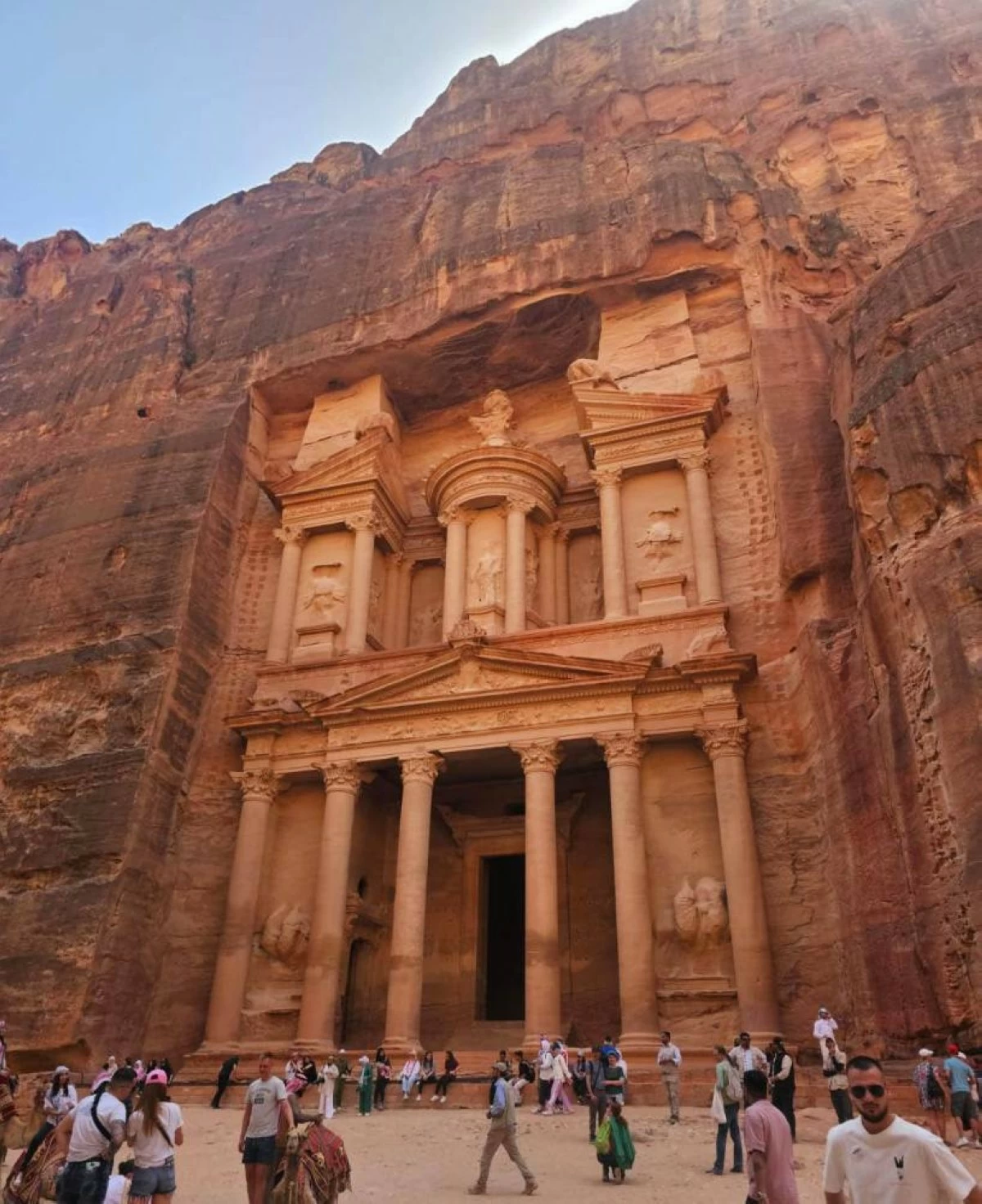
The Petra Development and Tourism Region Authority (PDTRA) says that the city has witnessed a sharp decline in tourist numbers, especially among foreign visitors (Petra photo)

AMMAN — The ancient city of Petra, a UNESCO World Heritage Site and one of the New Seven Wonders of the World, traditionally celebrates its international recognition each year on July 7.

However, this year’s anniversary passed with little fanfare, as the city grapples with a dramatic decline in tourist arrivals and worsening economic conditions in its tourism-dependent community, the Jordan News Agency, Petra, reported.

The downturn marks the second consecutive year of hardship for Petra’s tourism sector, driven largely by the ongoing Israeli war on Gaza since October 2023, heightened Iranian-Israeli tensions, and broader regional instability.

Many tourism facilities have shuttered their doors, while local stakeholders hope for a resolution that might restore Petra’s international appeal and revitalise vital economic sectors linked to tourism.

These sectors directly contribute to Jordan’s GDP, provide hundreds of jobs and support local investments estimated at JD500 million, the majority of which are owned by residents of Petra and its surrounding areas.

According to official data from the Petra Development and Tourism Region Authority (PDTRA), the city has witnessed a sharp decline in tourist numbers, especially among foreign visitors.

In June 2024, Petra recorded only 16,207 foreign visitors, compared with 68,349 in June 2023 and 53,888 in June 2019. The total number of visitors during the first half of 2024 stood at 259,798, including 175,510 foreigners, a significant drop from the 692,595 total visitors (606,000 foreigners) recorded in the same period of 2023. In 2019, Petra welcomed 538,187 visitors in the first six months, 474,139 of whom were international tourists.

PDTRA Chairman Fares Braizat said that Petra is facing a genuine crisis in both its tourism and commercial sectors. He emphasised that over 85 per cent of the local population relies directly or indirectly on tourism, while the Authority itself depends heavily on entrance ticket revenues as its primary source of income.

Braizat noted that domestic and Arab tourism, while present, remains insufficient to offset the loss in international tourism, which is critical to sustaining hotels, service providers, and related businesses.

To help mitigate the crisis, PDTRA has appealed to relevant government bodies to implement support measures. These include reactivating the "Sustainability 1" programme, offering targeted tax and fee exemptions, and encouraging ministries and public institutions to organise events in Petra to stimulate economic activity.

Vice President of the Jordan Hotels Association Hussein Helalat said that hotel booking cancellation rates in Petra have ranged between 95 and 100 per cent in recent months. Many hotels, he added, have been forced to close and lay off staff, with the sector’s heavy dependence on European and foreign tourists exacerbating the impact.

Abdullah Hasanat, head of the Petra Cooperative Hotels Association, reported that 28 classified hotels, comprising 1,975 rooms, have shut down, representing 56 per cent of the classified hotel capacity in the region. Additionally, 200 rooms in 10 unclassified budget hotels, accounting for all of Petra’s unclassified accommodation, have also been closed.

Altogether, 59 per cent of the total 3,700 hotel rooms in Petra, classified and unclassified, are currently out of service, underscoring the depth of the crisis.

.col-lg-12.second .opinion-widget{border-top:1px solid #D0D0D0;} #widget_1623 .opinions-title {font-size:32px;} #widget_1623 .opinions-title a{font-size:32px;} .first-author{ background-color:#ecedef; } .first-opinion-author-name{ background-color:white; width:max-content; padding:5px; }
.epaper-separator{ height: 1px; width: 100%; background-color: #D0D0D0; margin: 15px 0; }

Today’s Paper

.related-articles .article-widget-sm .article-title{font-size:16px;-webkit-line-clamp:3;} .related-articles .layout-ratio{padding-bottom:55%;}
.alert-success { color :#A3656F ; } .alert-danger { color : red ; } .footer { font-family:Myriad Pro,Arial; } .newspaper-footer{ visibility:hidden; } .socialFixOuter { position: fixed; top: 50%; margin-top: 40px; right: 0; transition: .2s; z-index: 20; height: 217px; width: 40px; } .socialFix { height: 30px; width: 30px; display: block; position: relative; cursor: pointer; background-size: 18px 18px; transition: .2s; background-position: center; background-repeat: no-repeat; border-radius: 2px; margin-top: 1px; } .socialFix:hover { width: 40px; margin-left: -10px; } .app-badge-img { height: 36px; width: auto; } @media (max-width: 768px) { .app-badge-img { height: 32px; } .app-badges { justify-content: center !important; } }
document.addEventListener("DOMContentLoaded", function () { const socialFix = document.querySelector(".socialFixOuter"); if (!socialFix) return; let firstInteraction = false; let hideTimeout = null; function checkMobileScreen() { if (window.innerWidth < 768) { socialFix.style.display = "none"; } else { socialFix.style.display = "block"; } } checkMobileScreen(); window.addEventListener("resize", checkMobileScreen); function handleFirstInteraction() { if (firstInteraction) return; if (window.innerWidth < 768) return; firstInteraction = true; socialFix.style.right = "-25px"; } socialFix.addEventListener("mouseenter", function () { if (window.innerWidth < 768) return; if (hideTimeout) clearTimeout(hideTimeout); socialFix.style.right = "0"; }); socialFix.addEventListener("mouseleave", function () { if (window.innerWidth < 768) return; if (hideTimeout) clearTimeout(hideTimeout); hideTimeout = setTimeout(() => { socialFix.style.right = "-25px"; }, 500); }); ["click", "touchstart"].forEach((evt) => { socialFix.addEventListener(evt, handleFirstInteraction); }); }); function validateEmail(email) { if (email.length > 255) return false; const emailRegex = /^[a-zA-Z0-9._%+-]+@[a-zA-Z0-9.-]+\.[a-zA-Z]{2,}$/; if (!emailRegex.test(email)) return false; if (email.includes('..') || email.startsWith('.') || email.endsWith('.')) return false; return true; } function sanitizeInput(input) { input = input.replace(/<[^>]*>/g, ''); input = input.replace(/javascript:/gi, ''); input = input.replace(/on\w+\s*=/gi, ''); input = input.replace(/[<>"'&(){}[\]]/g, ''); return input.trim(); } document.addEventListener('DOMContentLoaded', function () { function showModal(message, type) { const messageContainer = document.getElementById("messageContainerFooter"); messageContainer.textContent = message; messageContainer.className = `alert alert-${type} mt-3`; messageContainer.classList.remove("d-none"); setTimeout(() => { messageContainer.classList.add("d-none"); }, 5000); } document.getElementById("emailFormFooter").addEventListener("submit", function(event) { event.preventDefault(); const emailInput = document.getElementById("emailFooter"); const email = sanitizeInput(emailInput.value.trim()); if (!validateEmail(email)) { showModal('Invalid email format', 'danger'); return; } const formData = new FormData(); formData.append('email', email); fetch('/subscribeNewsletter', { method: "POST", body: formData, headers: { "Accept": "application/json", "X-Requested-With": "XMLHttpRequest" } }) .then(response => { if (!response.ok) { showModal("Error submitting email. Try again.", 'danger'); } return response.json(); }) .then(data => { showModal(data.message, 'success'); }) .catch(error => { showModal("Error submitting email. Try again.", 'danger'); }); }); });