






 Share Story


AMMAN — Former minister and ambassador Ahmad Masadeh said the Middle East is at a strategic crossroads, calling for a shift from crisis management to addressing the root causes of instability through a long-term vision based on human security and balanced partnerships.
Masadeh said Jordan has, for decades, quietly and constructively engaged with partners across the Euro-Atlantic community in peacekeeping, intelligence cooperation, counterterrorism, and humanitarian response, emphasizing the Kingdom’s approach of dialogue and moderation.
He said the establishment of NATO’s Liaison Office in Amman reflects international confidence in Jordan’s role and provides a practical mechanism for enhancing coordination, building trust, and aligning global strategic visions with regional realities.
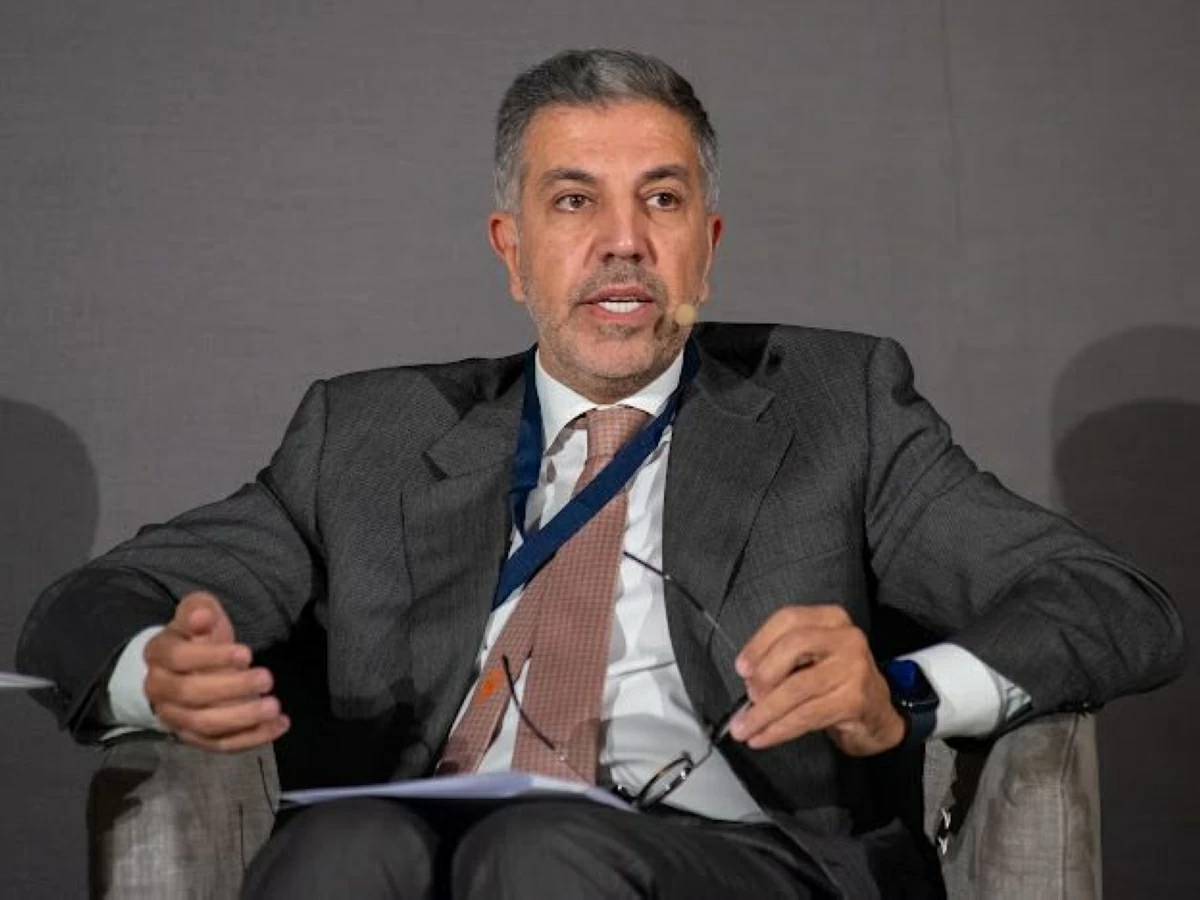
Masadeh made the remarks while chairing a panel session at a conference in Rome organized by the NATO Defense College Foundation in cooperation with the International Council on Environmental Economics and Development, the Italian Ministry of Foreign Affairs, and NATO.
The conference was attended by Italian Deputy Prime Minister and Foreign Minister Antonio Tajani, Arab League Assistant Secretary-General Ambassador Hossam Zaki, Gulf Cooperation Council Assistant Secretary-General Dr. Abdulaziz Al-Uwaisheg, as well as numerous European and Arab political, diplomatic, military, academic, and civil society figures.
Addressing the Palestinian issue, Masadeh said the continued suffering of the Palestinian people lies at the heart of one of the region’s longest and most complex crises, stressing that the absence of a just and lasting political solution leading to the establishment of a Palestinian state remains a central obstacle to sustainable regional security. Ending humanitarian suffering, he said, should be regarded as a strategic interest rather than solely a moral responsibility.
He added that the Middle East should not be viewed only through the lens of conflict, pointing to major strategic shifts reshaping Euro-Atlantic priorities, including a recalibration of the U.S. role and a move toward more selective engagement based on burden-sharing and balanced regional partnerships.
Masadeh also underscored the need to strengthen coherence among existing institutional frameworks amid a growing number of European and transatlantic initiatives. He said recent decisions at the Washington Summit, including increased focus on NATO’s Southern Flank, the appointment of a Special Representative for the Southern Neighbourhood, and the opening of the NATO Liaison Office in Amman, signal rising recognition that Euro-Atlantic security is closely linked to developments in the southern region.
