


Nearly 188,500 refugees returned to Syria since December 2024 — UNHCR

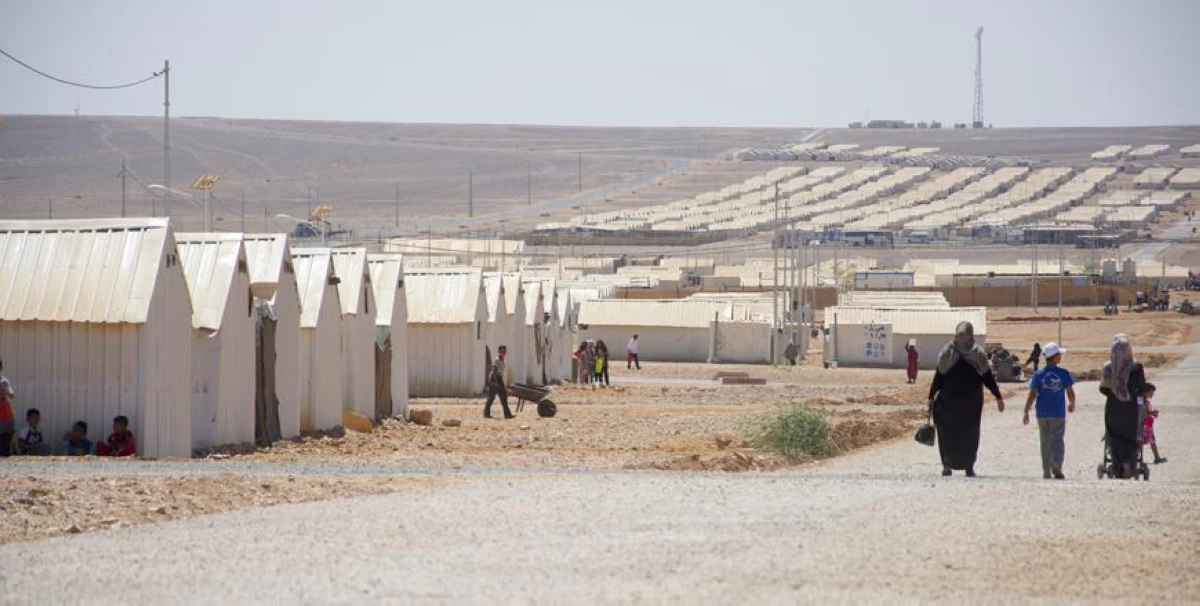
The United Nations High Commissioner for Refugees (UNHCR) says that nearly 188,500 UNHCR-registered refugees have returned to Syria from Jordan between December 8, 2024 and March 31, 2026 (Petra photo)

AMMAN — Nearly 188,500 UNHCR-registered refugees have returned to Syria from Jordan between December 8, 2024 and March 31, 2026, according to the United Nations High Commissioner for Refugees (UNHCR).

In its latest operational update, UNHCR said that 3,900 refugees returned in February and 3,400 in March, compared with 4,500 in January.

In February and March, 191 refugees departed Jordan for resettlement in third countries.

The UNHCR attributed the decrease to seasonal factors, including the winter period and the start of Ramadan, as well as refugees’ preference to delay return until after Ramadan or the summer months.

The agency also highlighted that many refugees are expected to remain in Jordan for the foreseeable future, with increasing levels of vulnerability among some groups.

On the operational level, UNHCR said that it closed its field office in Irbid in March after 12 years of operations in northern Jordan. The agency said it will maintain a presence in the north through a newly established Irbid Field Unit, which will continue providing services under the supervision of the UNHCR Country Office in Amman.

UNHCR also continued its cash assistance and transportation support programmes for voluntary returns, noting a decline in demand for transport assistance in line with reduced return movements.

On protection, UNHCR said it interviewed nearly 45,000 refugees through in-person and remote channels to ensure updated documentation and continued access to essential services such as education and healthcare.

The agency and its partners also provided counselling to more than 500 refugees facing protection risks, while urgent cash assistance was delivered to over 200 vulnerable families, including those headed by persons with disabilities and elderly individuals.

In its humanitarian response, UNHCR said it provided basic needs cash assistance to approximately 13,000 refugee families in host communities during the first quarter of 2026.

It also facilitated referrals for more than 1,500 refugees from Azraq and Zaatari camps to receive specialised medical care, including haemodialysis, emergency obstetric and neonatal services, and life-saving hospital admissions.

On community engagement, UNHCR continued outreach to skilled refugees and employers in Syria through its partnership with Bayt.com, aiming to connect qualified refugees with labour market opportunities. As a result, nearly 5,500 Syrian refugees in Jordan registered on the platform.

During February, UN High Commissioner for Refugees Barham Salih visited Jordan for the first time in his official capacity, reaffirming UNHCR’s commitment to working with the government, donors and partners to support refugees and host communities, and to pursue durable solutions.

Salih stressed that a significant number of refugees will continue to reside in Jordan in the coming period, underscoring the importance of sustained international support.

.col-lg-12.second .opinion-widget{border-top:1px solid #D0D0D0;} #widget_1623 .opinions-title {font-size:32px;} #widget_1623 .opinions-title a{font-size:32px;} .first-author{ background-color:#ecedef; } .first-opinion-author-name{ background-color:white; width:max-content; padding:5px; }
.epaper-separator{ height: 1px; width: 100%; background-color: #D0D0D0; margin: 15px 0; }

Today’s Paper

.related-articles .article-widget-sm .article-title{font-size:16px;-webkit-line-clamp:3;} .related-articles .layout-ratio{padding-bottom:55%;}
.alert-success { color :#A3656F ; } .alert-danger { color : red ; } .footer { font-family:Myriad Pro,Arial; } .newspaper-footer{ visibility:hidden; } .socialFixOuter { position: fixed; top: 50%; margin-top: 40px; right: 0; transition: .2s; z-index: 20; height: 217px; width: 40px; } .socialFix { height: 30px; width: 30px; display: block; position: relative; cursor: pointer; background-size: 18px 18px; transition: .2s; background-position: center; background-repeat: no-repeat; border-radius: 2px; margin-top: 1px; } .socialFix:hover { width: 40px; margin-left: -10px; } .app-badge-img { height: 36px; width: auto; } @media (max-width: 768px) { .app-badge-img { height: 32px; } .app-badges { justify-content: center !important; } }
document.addEventListener("DOMContentLoaded", function () { const socialFix = document.querySelector(".socialFixOuter"); if (!socialFix) return; let firstInteraction = false; let hideTimeout = null; function checkMobileScreen() { if (window.innerWidth < 768) { socialFix.style.display = "none"; } else { socialFix.style.display = "block"; } } checkMobileScreen(); window.addEventListener("resize", checkMobileScreen); function handleFirstInteraction() { if (firstInteraction) return; if (window.innerWidth < 768) return; firstInteraction = true; socialFix.style.right = "-25px"; } socialFix.addEventListener("mouseenter", function () { if (window.innerWidth < 768) return; if (hideTimeout) clearTimeout(hideTimeout); socialFix.style.right = "0"; }); socialFix.addEventListener("mouseleave", function () { if (window.innerWidth < 768) return; if (hideTimeout) clearTimeout(hideTimeout); hideTimeout = setTimeout(() => { socialFix.style.right = "-25px"; }, 500); }); ["click", "touchstart"].forEach((evt) => { socialFix.addEventListener(evt, handleFirstInteraction); }); }); function validateEmail(email) { if (email.length > 255) return false; const emailRegex = /^[a-zA-Z0-9._%+-]+@[a-zA-Z0-9.-]+\.[a-zA-Z]{2,}$/; if (!emailRegex.test(email)) return false; if (email.includes('..') || email.startsWith('.') || email.endsWith('.')) return false; return true; } function sanitizeInput(input) { input = input.replace(/<[^>]*>/g, ''); input = input.replace(/javascript:/gi, ''); input = input.replace(/on\w+\s*=/gi, ''); input = input.replace(/[<>"'&(){}[\]]/g, ''); return input.trim(); } document.addEventListener('DOMContentLoaded', function () { function showModal(message, type) { const messageContainer = document.getElementById("messageContainerFooter"); messageContainer.textContent = message; messageContainer.className = `alert alert-${type} mt-3`; messageContainer.classList.remove("d-none"); setTimeout(() => { messageContainer.classList.add("d-none"); }, 5000); } document.getElementById("emailFormFooter").addEventListener("submit", function(event) { event.preventDefault(); const emailInput = document.getElementById("emailFooter"); const email = sanitizeInput(emailInput.value.trim()); if (!validateEmail(email)) { showModal('Invalid email format', 'danger'); return; } const formData = new FormData(); formData.append('email', email); fetch('/subscribeNewsletter', { method: "POST", body: formData, headers: { "Accept": "application/json", "X-Requested-With": "XMLHttpRequest" } }) .then(response => { if (!response.ok) { showModal("Error submitting email. Try again.", 'danger'); } return response.json(); }) .then(data => { showModal(data.message, 'success'); }) .catch(error => { showModal("Error submitting email. Try again.", 'danger'); }); }); });