


MoH, UNFPA, Japan, launch project to boost women’s health, protection services

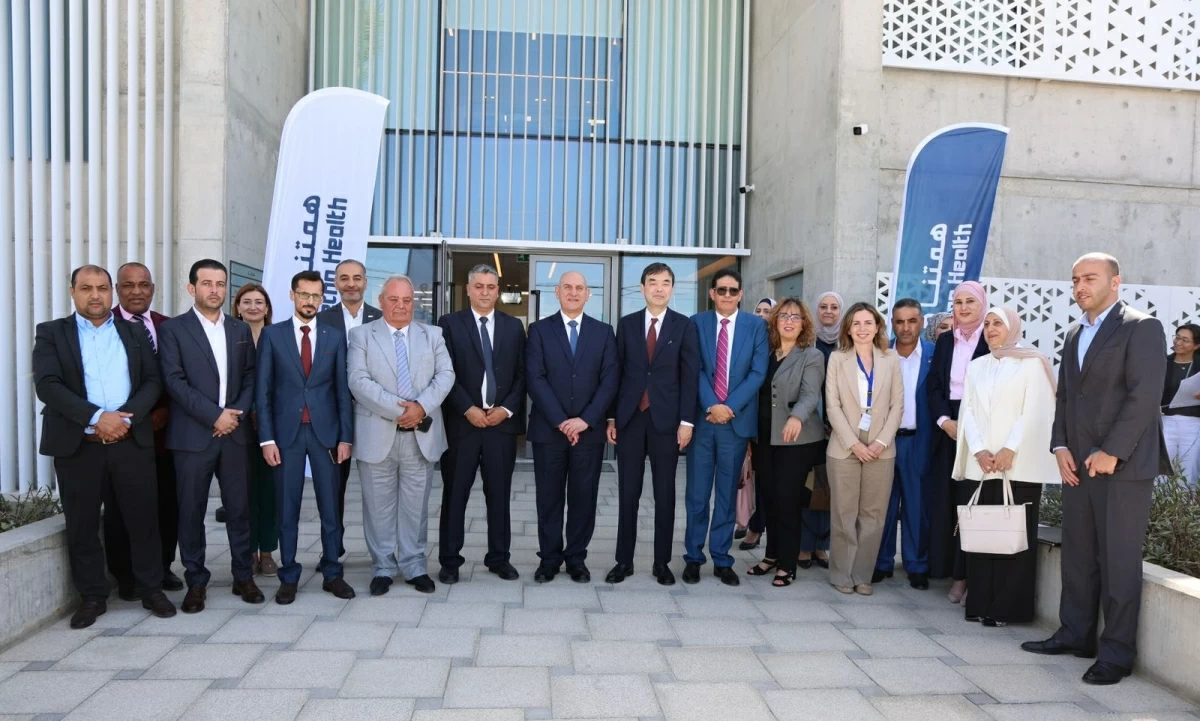
The Ministry of Health (MoH), in partnership with the United Nations Population Fund (UNFPA), the Government of Japan and Himmetna Health, on Monday launched a Japan-funded project “Integrated Life-Saving SRH and GBV Services for Vulnerable Women and Girls in Underserved Southern Areas of Jordan,” at Ghor Al Mazraa Comprehensive Health Centre in Karak Governorate (Photo courtesy of UNFPA)

AMMAN — The Ministry of Health (MoH), in partnership with the United Nations Population Fund (UNFPA), the Government of Japan and Himmetna Health, on Monday launched the Japan-funded project “Integrated Life-Saving SRH and GBV Services for Vulnerable Women and Girls in Underserved Southern Areas of Jordan,” at Ghor Al Mazraa Comprehensive Health Centre in Karak Governorate.

The event also marked the completion of a previous Japan-funded humanitarian project, celebrating Japan’s continued support for Jordan’s national health priorities and UNFPA’s efforts to boost Women-Friendly Health Centres (WFHCs) as a national model for quality, rights-based sexual and reproductive health (SRH) and gender-based violence (GBV) services.

Since its inception, the WFHC programme has expanded to 108 centres across the Kingdom, including 94 operated by the Ministry of Health, according to a UNFPA statement.

The initiative was implemented under a partnership between the MoH, the National Woman’s Health Care Centre (NWHCC), and the Health Care Accreditation Council (HCAC), representing a national model for advancing quality, rights-based, and gender-responsive healthcare.

The WFHC programme serves as a cornerstone of the Kingdom’s progress toward Universal Health Coverage (UHC) and aligns with the Economic Modernisation Vision (2023–2033), which aims to ensure equitable, high-quality, and sustainable healthcare services for all women and girls across the Kingdom, the statement said.

"Through Japan’s generous contribution, UNFPA and the Ministry of Health are working to institutionalise WFHC standards within the national health system to ensure long-term sustainability and national ownership, the statement read, adding that plans are underway to integrate all primary healthcare centres under the WFHC framework in the coming years.

Secretary-General of the Ministry of Health for Primary Health Care and Epidemics Raed Shboul said, “The Women-Friendly Health Centres programme has become a national pillar in Jordan’s health transformation journey, integrating respect, quality, and equality into every level of care. The Ministry remains committed to embedding these standards across all public health centres.”

UNFPA Representative in Jordan Himyar Abdulmoghni said, "UNFPA is proud to partner with the Ministry of Health and the Government of Japan in transforming women’s healthcare from a service to a right and from a pilot initiative to a sustainable national system that ensures dignity and quality for every woman and girl in Jordan.”

Ambassador of Japan to Jordan ASARI Hideki said “By ensuring that women and girls have access to dignified, rights-based, and survivor-centred care, through integrating SRH and GBV response within a unified, nationally endorsed framework, this project exemplifies Japan’s global commitment to human security, gender equality, and women’s empowerment.”

The event reaffirmed the shared commitment of Jordan, Japan, and UNFPA to advancing women’s health, empowerment, and dignity, making quality healthcare an essential part of every woman’s life across the Kingdom, the statement read.

.col-lg-12.second .opinion-widget{border-top:1px solid #D0D0D0;} #widget_1623 .opinions-title {font-size:32px;} #widget_1623 .opinions-title a{font-size:32px;} .first-author{ background-color:#ecedef; } .first-opinion-author-name{ background-color:white; width:max-content; padding:5px; }
.epaper-separator{ height: 1px; width: 100%; background-color: #D0D0D0; margin: 15px 0; }

Today’s Paper

.related-articles .article-widget-sm .article-title{font-size:16px;-webkit-line-clamp:3;} .related-articles .layout-ratio{padding-bottom:55%;}
.alert-success { color :#A3656F ; } .alert-danger { color : red ; } .footer { font-family:Myriad Pro,Arial; } .newspaper-footer{ visibility:hidden; } .socialFixOuter { position: fixed; top: 50%; margin-top: 40px; right: 0; transition: .2s; z-index: 20; height: 217px; width: 40px; } .socialFix { height: 30px; width: 30px; display: block; position: relative; cursor: pointer; background-size: 18px 18px; transition: .2s; background-position: center; background-repeat: no-repeat; border-radius: 2px; margin-top: 1px; } .socialFix:hover { width: 40px; margin-left: -10px; } .app-badge-img { height: 36px; width: auto; } @media (max-width: 768px) { .app-badge-img { height: 32px; } .app-badges { justify-content: center !important; } }
document.addEventListener("DOMContentLoaded", function () { const socialFix = document.querySelector(".socialFixOuter"); if (!socialFix) return; let firstInteraction = false; let hideTimeout = null; function checkMobileScreen() { if (window.innerWidth < 768) { socialFix.style.display = "none"; } else { socialFix.style.display = "block"; } } checkMobileScreen(); window.addEventListener("resize", checkMobileScreen); function handleFirstInteraction() { if (firstInteraction) return; if (window.innerWidth < 768) return; firstInteraction = true; socialFix.style.right = "-25px"; } socialFix.addEventListener("mouseenter", function () { if (window.innerWidth < 768) return; if (hideTimeout) clearTimeout(hideTimeout); socialFix.style.right = "0"; }); socialFix.addEventListener("mouseleave", function () { if (window.innerWidth < 768) return; if (hideTimeout) clearTimeout(hideTimeout); hideTimeout = setTimeout(() => { socialFix.style.right = "-25px"; }, 500); }); ["click", "touchstart"].forEach((evt) => { socialFix.addEventListener(evt, handleFirstInteraction); }); }); function validateEmail(email) { if (email.length > 255) return false; const emailRegex = /^[a-zA-Z0-9._%+-]+@[a-zA-Z0-9.-]+\.[a-zA-Z]{2,}$/; if (!emailRegex.test(email)) return false; if (email.includes('..') || email.startsWith('.') || email.endsWith('.')) return false; return true; } function sanitizeInput(input) { input = input.replace(/<[^>]*>/g, ''); input = input.replace(/javascript:/gi, ''); input = input.replace(/on\w+\s*=/gi, ''); input = input.replace(/[<>"'&(){}[\]]/g, ''); return input.trim(); } document.addEventListener('DOMContentLoaded', function () { function showModal(message, type) { const messageContainer = document.getElementById("messageContainerFooter"); messageContainer.textContent = message; messageContainer.className = `alert alert-${type} mt-3`; messageContainer.classList.remove("d-none"); setTimeout(() => { messageContainer.classList.add("d-none"); }, 5000); } document.getElementById("emailFormFooter").addEventListener("submit", function(event) { event.preventDefault(); const emailInput = document.getElementById("emailFooter"); const email = sanitizeInput(emailInput.value.trim()); if (!validateEmail(email)) { showModal('Invalid email format', 'danger'); return; } const formData = new FormData(); formData.append('email', email); fetch('/subscribeNewsletter', { method: "POST", body: formData, headers: { "Accept": "application/json", "X-Requested-With": "XMLHttpRequest" } }) .then(response => { if (!response.ok) { showModal("Error submitting email. Try again.", 'danger'); } return response.json(); }) .then(data => { showModal(data.message, 'success'); }) .catch(error => { showModal("Error submitting email. Try again.", 'danger'); }); }); });