


Ministry launches official operations for Amman–Karak, Amman–Salt bus routes

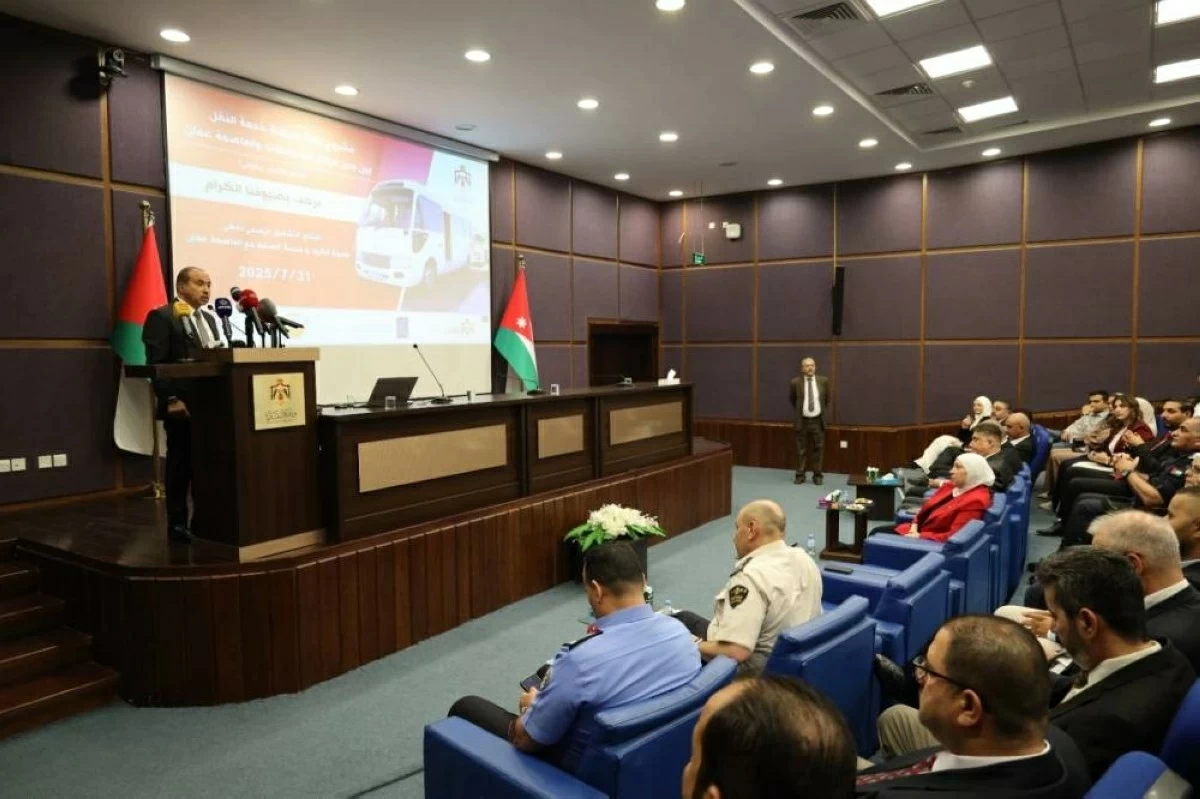
A total of 67 modern buses equipped with smart transportation systems will serve the Amman–Karak and Amman–Salt routes, part of a broader effort to enhance public transportation services and reduce reliance on private vehicles (Petra photo)

AMMAN — The Ministry of Transport on Thursday officially launched the Amman–Karak and Amman–Salt bus lines, marking the first phase of a nationwide project aimed at improving connectivity between the capital and other governorate centres.

A total of 67 modern buses equipped with smart transportation systems will serve both routes, part of a broader effort to enhance public transportation services and reduce reliance on private vehicles, the Jordan News Agency, Petra, reported.

Speaking at the inauguration ceremony, Minister of Transport Wissam Tahtamouni said the project is a key step towards overhauling Jordan’s public transit system.

“This launch represents a new chapter in our efforts to modernise transportation in the Kingdom,” Tahtamouni said. “It’s about delivering safe, reliable, and comfortable public transport options that run on fixed schedules and contribute to environmental sustainability.”

The new services follow the recent launch of the Amman–Irbid and Amman–Jerash lines earlier this month, which the minister said have already shown a “positive” impact, easing daily commutes and improving access to services.

Tahtamouni added that the ministry is moving ahead with plans to organise transport within governorates, while expanding connectivity to more cities. The next phase of the project will add four more governorates, as part of an institutional strategy to provide “high-quality” public transport nationwide.

Director General of the Land Transport Regulatory Commission (LTRC) Riyad Kharabsheh noted that Thursday’s launch followed a short trial period, describing the initiative as the first step towards comprehensive reform of the sector.

“This new model connects operations with revenue collection, boosts regulatory oversight, and supports the rights of workers,” he said. “Even though the current scope is limited, it’s an important opportunity for learning and evaluation, laying the groundwork for national expansion through 2026.”

Chairman of the Board of the Integrated Multi-Modal Transport Company Salah Louzi praised the government’s commitment, calling the move a “strategic milestone”.

“The public’s response to the pilot phase has been overwhelmingly positive,” Louzi said. “We are committed to supporting the project’s success and advancing a modern transport system that meets citizens’ needs.”

He underscored the importance of collaboration between the ministry, LTRC and stakeholders from the public and private sectors to build a “fair, efficient, and sustainable” transport network.

The Amman–Karak route will operate with 32 buses and is expected to run 122 trips daily. The Amman–Salt line has been allocated 35 buses: 20 serve the route to the University of Jordan Hospital and 15 cover the Salt–Doryat Bridge route, ensuring steady service between the two cities.

According to the Integrated Multi-Modal Transport Company, the Amman–Irbid line currently operates 39 buses across two branches, one to Sweileh and the University of Jordan Hospital, and another via Jordan Street to the North Terminal, with 242 daily trips.

The Amman–Jerash line includes 23 buses split between routes to the North Terminal and the University of Jordan Hospital, offering 124 daily trips.

.col-lg-12.second .opinion-widget{border-top:1px solid #D0D0D0;} #widget_1623 .opinions-title {font-size:32px;} #widget_1623 .opinions-title a{font-size:32px;} .first-author{ background-color:#ecedef; } .first-opinion-author-name{ background-color:white; width:max-content; padding:5px; }
.epaper-separator{ height: 1px; width: 100%; background-color: #D0D0D0; margin: 15px 0; }

Today’s Paper

.related-articles .article-widget-sm .article-title{font-size:16px;-webkit-line-clamp:3;} .related-articles .layout-ratio{padding-bottom:55%;}
.alert-success { color :#A3656F ; } .alert-danger { color : red ; } .footer { font-family:Myriad Pro,Arial; } .newspaper-footer{ visibility:hidden; } .socialFixOuter { position: fixed; top: 50%; margin-top: 40px; right: 0; transition: .2s; z-index: 20; height: 217px; width: 40px; } .socialFix { height: 30px; width: 30px; display: block; position: relative; cursor: pointer; background-size: 18px 18px; transition: .2s; background-position: center; background-repeat: no-repeat; border-radius: 2px; margin-top: 1px; } .socialFix:hover { width: 40px; margin-left: -10px; } .app-badge-img { height: 36px; width: auto; } @media (max-width: 768px) { .app-badge-img { height: 32px; } .app-badges { justify-content: center !important; } }
document.addEventListener("DOMContentLoaded", function () { const socialFix = document.querySelector(".socialFixOuter"); if (!socialFix) return; let firstInteraction = false; let hideTimeout = null; function checkMobileScreen() { if (window.innerWidth < 768) { socialFix.style.display = "none"; } else { socialFix.style.display = "block"; } } checkMobileScreen(); window.addEventListener("resize", checkMobileScreen); function handleFirstInteraction() { if (firstInteraction) return; if (window.innerWidth < 768) return; firstInteraction = true; socialFix.style.right = "-25px"; } socialFix.addEventListener("mouseenter", function () { if (window.innerWidth < 768) return; if (hideTimeout) clearTimeout(hideTimeout); socialFix.style.right = "0"; }); socialFix.addEventListener("mouseleave", function () { if (window.innerWidth < 768) return; if (hideTimeout) clearTimeout(hideTimeout); hideTimeout = setTimeout(() => { socialFix.style.right = "-25px"; }, 500); }); ["click", "touchstart"].forEach((evt) => { socialFix.addEventListener(evt, handleFirstInteraction); }); }); function validateEmail(email) { if (email.length > 255) return false; const emailRegex = /^[a-zA-Z0-9._%+-]+@[a-zA-Z0-9.-]+\.[a-zA-Z]{2,}$/; if (!emailRegex.test(email)) return false; if (email.includes('..') || email.startsWith('.') || email.endsWith('.')) return false; return true; } function sanitizeInput(input) { input = input.replace(/<[^>]*>/g, ''); input = input.replace(/javascript:/gi, ''); input = input.replace(/on\w+\s*=/gi, ''); input = input.replace(/[<>"'&(){}[\]]/g, ''); return input.trim(); } document.addEventListener('DOMContentLoaded', function () { function showModal(message, type) { const messageContainer = document.getElementById("messageContainerFooter"); messageContainer.textContent = message; messageContainer.className = `alert alert-${type} mt-3`; messageContainer.classList.remove("d-none"); setTimeout(() => { messageContainer.classList.add("d-none"); }, 5000); } document.getElementById("emailFormFooter").addEventListener("submit", function(event) { event.preventDefault(); const emailInput = document.getElementById("emailFooter"); const email = sanitizeInput(emailInput.value.trim()); if (!validateEmail(email)) { showModal('Invalid email format', 'danger'); return; } const formData = new FormData(); formData.append('email', email); fetch('/subscribeNewsletter', { method: "POST", body: formData, headers: { "Accept": "application/json", "X-Requested-With": "XMLHttpRequest" } }) .then(response => { if (!response.ok) { showModal("Error submitting email. Try again.", 'danger'); } return response.json(); }) .then(data => { showModal(data.message, 'success'); }) .catch(error => { showModal("Error submitting email. Try again.", 'danger'); }); }); });