


Mamluk archaeology bridges texts and material evidence — archaeologist


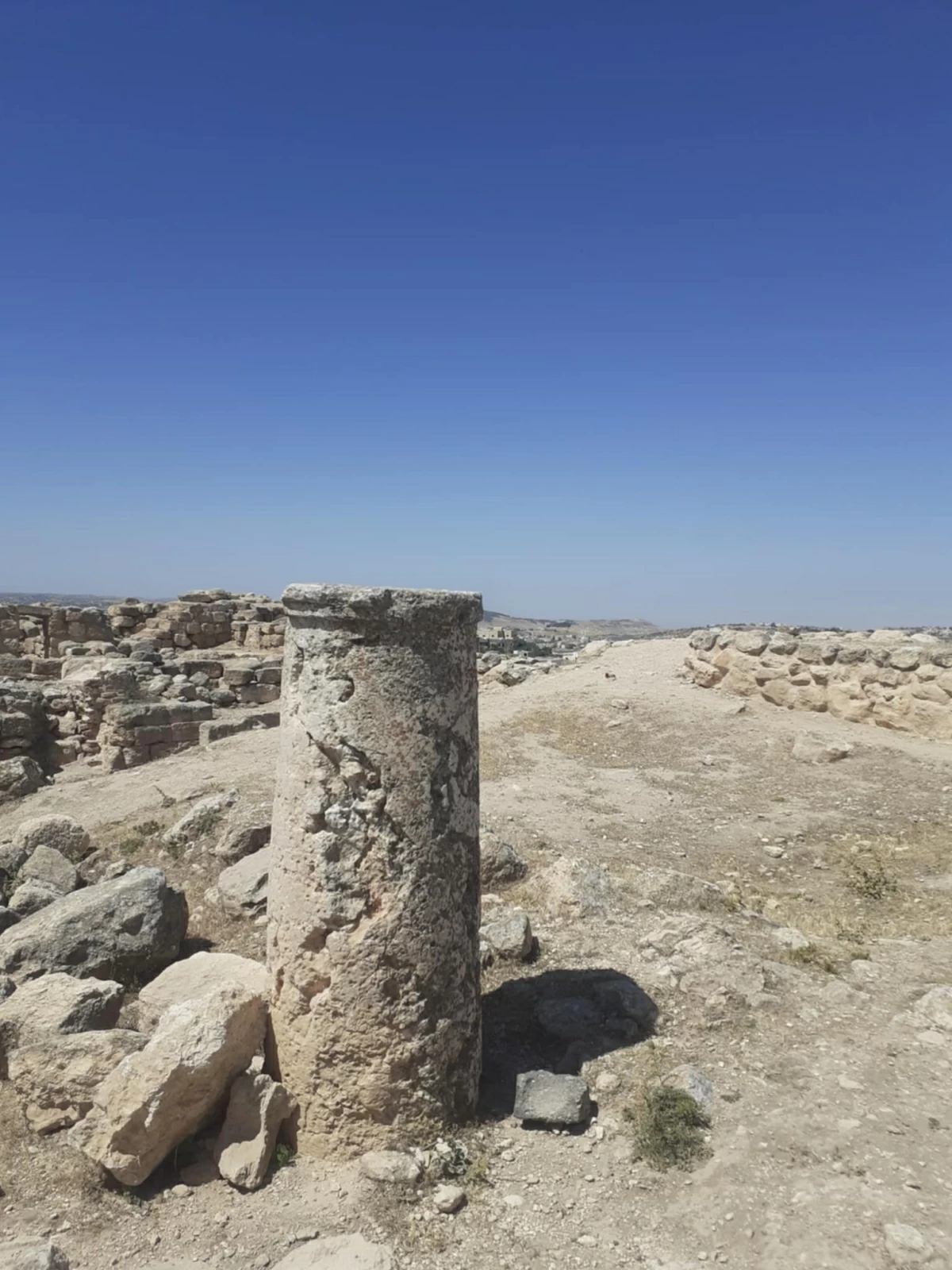
The column on the top of Tell Hisban, a Mamluk and Ottoman administrative centre in the Madaba Plain (Photo by Saeb Rawashdeh)

AMMAN — The archaeology of the Mamluk period, as practiced today, is a form of historical archaeology heavily informed by anthropological models, according to US Professor and Mamlukist Bethany Walker.

One methodological development of the last decade has been in the engagement with the written record. The combination of written and material sources is the greatest challenge of any archaeology of historical periods, particularly so with the Mamluk period, which produced a wealth of texts.

"Many excavations and reports now include an explanation, however brief, of how historical sources are used. There has been a very gradual shift from dependence on texts for interpreting archaeological data to creating a dialogue between the two in ways that inform project design," Walker highlighted.

The professor added that because written sources and archaeological data answer different sets of questions about human behaviour and can differ in chronological scale of inquiry.

Written sources and excavations of material objects combined can provide the optimal evidence for the researcher.

The challenge is to decide which kinds of sources are most appropriate to the subject at hand and to write a coherent, terminology, Walker continued.

Written sources in different languages serve to support the archaeological evidence of the Middle Islamic Period.

What has been largely missing is an engagement with contemporary documentary sources. One notable exception is the early Ottoman tax registers (singular, daftar-imufassal) of the ninth/sixteenth century.

During the first century of Ottoman rule in Syria, many elements of the Mamluks’ administration in the region were retained, including the general administrative structure, some personnel and many of the larger landed endowments (awqaf).

"The registers document anticipated income from taxable commodities, though not actual taxes collected, and describe in some detail the status of rural property, whether a settled village, a village formerly settled but now abandoned, a piece of cultivated land, or a tract of cultivated land not associated with a village," Walker said.

Walker said that tax-liable commodities (summer crops, winter crops, livestock, processed agricultural goods and animal by-products such as honey, endowments) are listed along with their estimated revenues.

Specific references to land tenure and use, along with incidental information, such as how a plot of land was acquired and what its access was to water, are occasionally included, the professor continued.

The registers, moreover, are organised according by tax districts, yielding important details on the administrative structure of the region. The registers of 1534, 1538, 1551/1552, and 1596 /1597 are preserved in manuscript form, and from these several segments have been published for Palestine and Jordan.

"The majority of the publications are in Turkish with Arabic summary and commentary; the most widely cited one, though, is in English.”

“Unfortunately, these sources have not been used as fully as they could be: The general trend has been to look up an individual site name and determine whether the place was inhabited and its land continued to be cultivated after Ottoman annexation," Walker underlined, adding that the registers, however, yield much more important place.

The estimated number of households in each location is included and the dhimmīs liable for the jizyah are mentioned in each entry of a qaryah although the numbers are not reliable for population statistics.

“They do reflect the religious composition of villages, a demographic characteristic that is not readily recognisable in the archaeological record," Walker said.

.col-lg-12.second .opinion-widget{border-top:1px solid #D0D0D0;} #widget_1623 .opinions-title {font-size:32px;} #widget_1623 .opinions-title a{font-size:32px;} .first-author{ background-color:#ecedef; } .first-opinion-author-name{ background-color:white; width:max-content; padding:5px; }
.epaper-separator{ height: 1px; width: 100%; background-color: #D0D0D0; margin: 15px 0; }

Today’s Paper

.related-articles .article-widget-sm .article-title{font-size:16px;-webkit-line-clamp:3;} .related-articles .layout-ratio{padding-bottom:55%;}
.alert-success { color :#A3656F ; } .alert-danger { color : red ; } .footer { font-family:Myriad Pro,Arial; } .newspaper-footer{ visibility:hidden; } .socialFixOuter { position: fixed; top: 50%; margin-top: 40px; right: 0; transition: .2s; z-index: 20; height: 217px; width: 40px; } .socialFix { height: 30px; width: 30px; display: block; position: relative; cursor: pointer; background-size: 18px 18px; transition: .2s; background-position: center; background-repeat: no-repeat; border-radius: 2px; margin-top: 1px; } .socialFix:hover { width: 40px; margin-left: -10px; } .app-badge-img { height: 36px; width: auto; } @media (max-width: 768px) { .app-badge-img { height: 32px; } .app-badges { justify-content: center !important; } }
document.addEventListener("DOMContentLoaded", function () { const socialFix = document.querySelector(".socialFixOuter"); if (!socialFix) return; let firstInteraction = false; let hideTimeout = null; function checkMobileScreen() { if (window.innerWidth < 768) { socialFix.style.display = "none"; } else { socialFix.style.display = "block"; } } checkMobileScreen(); window.addEventListener("resize", checkMobileScreen); function handleFirstInteraction() { if (firstInteraction) return; if (window.innerWidth < 768) return; firstInteraction = true; socialFix.style.right = "-25px"; } socialFix.addEventListener("mouseenter", function () { if (window.innerWidth < 768) return; if (hideTimeout) clearTimeout(hideTimeout); socialFix.style.right = "0"; }); socialFix.addEventListener("mouseleave", function () { if (window.innerWidth < 768) return; if (hideTimeout) clearTimeout(hideTimeout); hideTimeout = setTimeout(() => { socialFix.style.right = "-25px"; }, 500); }); ["click", "touchstart"].forEach((evt) => { socialFix.addEventListener(evt, handleFirstInteraction); }); }); function validateEmail(email) { if (email.length > 255) return false; const emailRegex = /^[a-zA-Z0-9._%+-]+@[a-zA-Z0-9.-]+\.[a-zA-Z]{2,}$/; if (!emailRegex.test(email)) return false; if (email.includes('..') || email.startsWith('.') || email.endsWith('.')) return false; return true; } function sanitizeInput(input) { input = input.replace(/<[^>]*>/g, ''); input = input.replace(/javascript:/gi, ''); input = input.replace(/on\w+\s*=/gi, ''); input = input.replace(/[<>"'&(){}[\]]/g, ''); return input.trim(); } document.addEventListener('DOMContentLoaded', function () { function showModal(message, type) { const messageContainer = document.getElementById("messageContainerFooter"); messageContainer.textContent = message; messageContainer.className = `alert alert-${type} mt-3`; messageContainer.classList.remove("d-none"); setTimeout(() => { messageContainer.classList.add("d-none"); }, 5000); } document.getElementById("emailFormFooter").addEventListener("submit", function(event) { event.preventDefault(); const emailInput = document.getElementById("emailFooter"); const email = sanitizeInput(emailInput.value.trim()); if (!validateEmail(email)) { showModal('Invalid email format', 'danger'); return; } const formData = new FormData(); formData.append('email', email); fetch('/subscribeNewsletter', { method: "POST", body: formData, headers: { "Accept": "application/json", "X-Requested-With": "XMLHttpRequest" } }) .then(response => { if (!response.ok) { showModal("Error submitting email. Try again.", 'danger'); } return response.json(); }) .then(data => { showModal(data.message, 'success'); }) .catch(error => { showModal("Error submitting email. Try again.", 'danger'); }); }); });