






 Share
Share


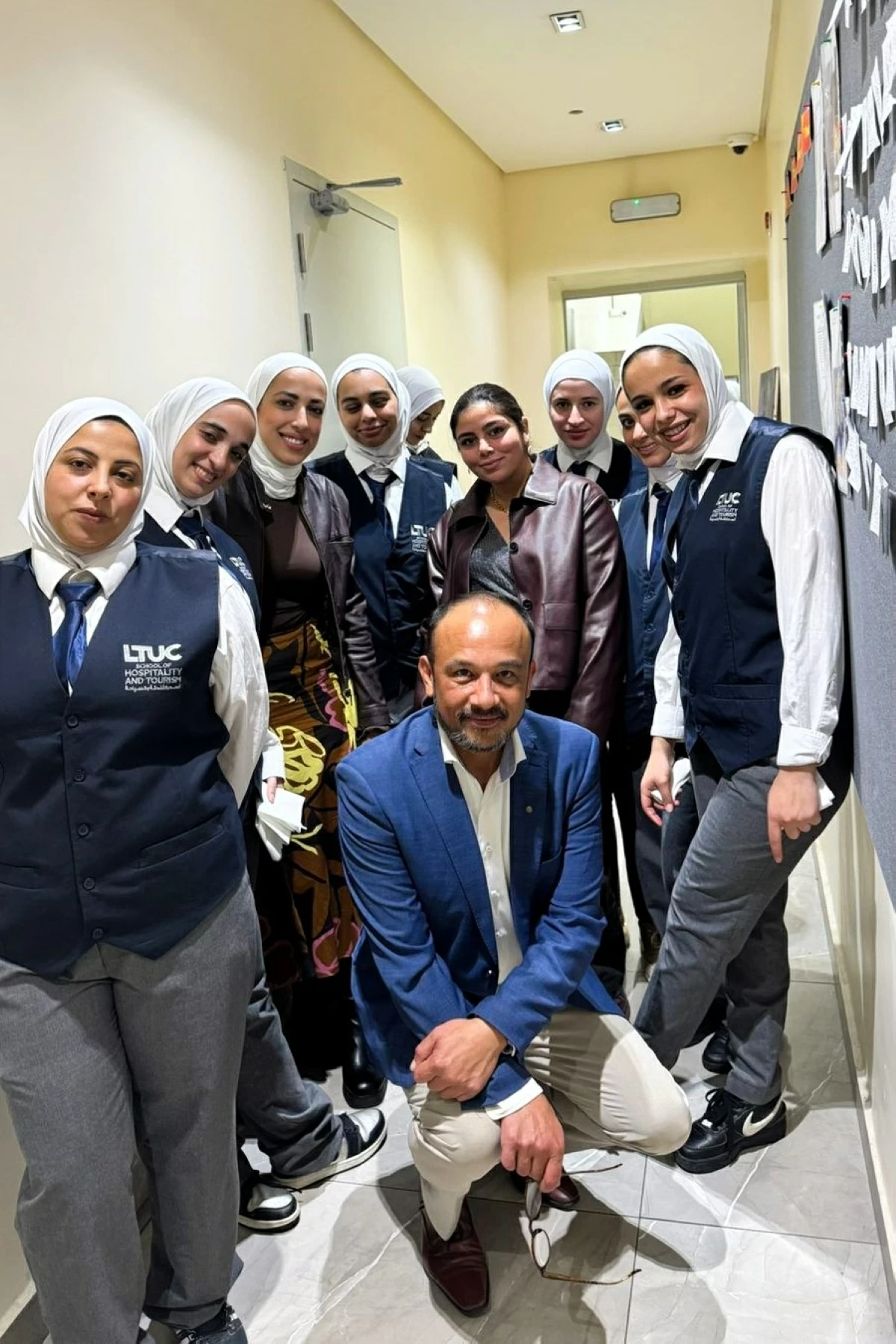
AMMAN — Dean of Luminus Technical University College (LTUC), together with 24 distinguished guests from academic, agricultural, media, and tourism has recently attended a four-course lunch featuring local camel products.
The event, themed “Heritage, Culinary Innovation, Education, and Revitalisation,” was prepared by LTUC culinary students, showcasing unique dishes made with camel milk cheese, camel meat, camel milk gelato, desserts, and chocolate.
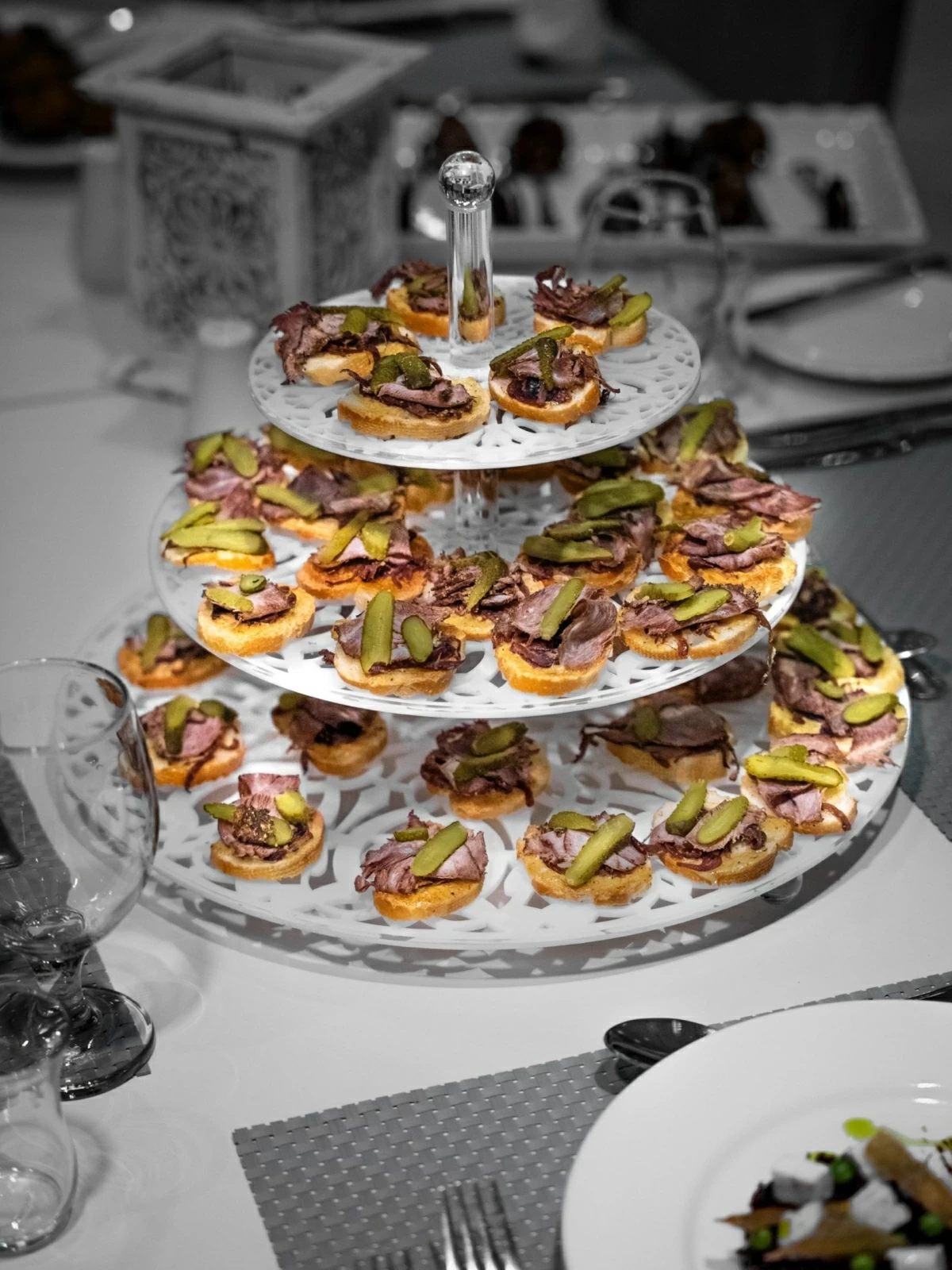
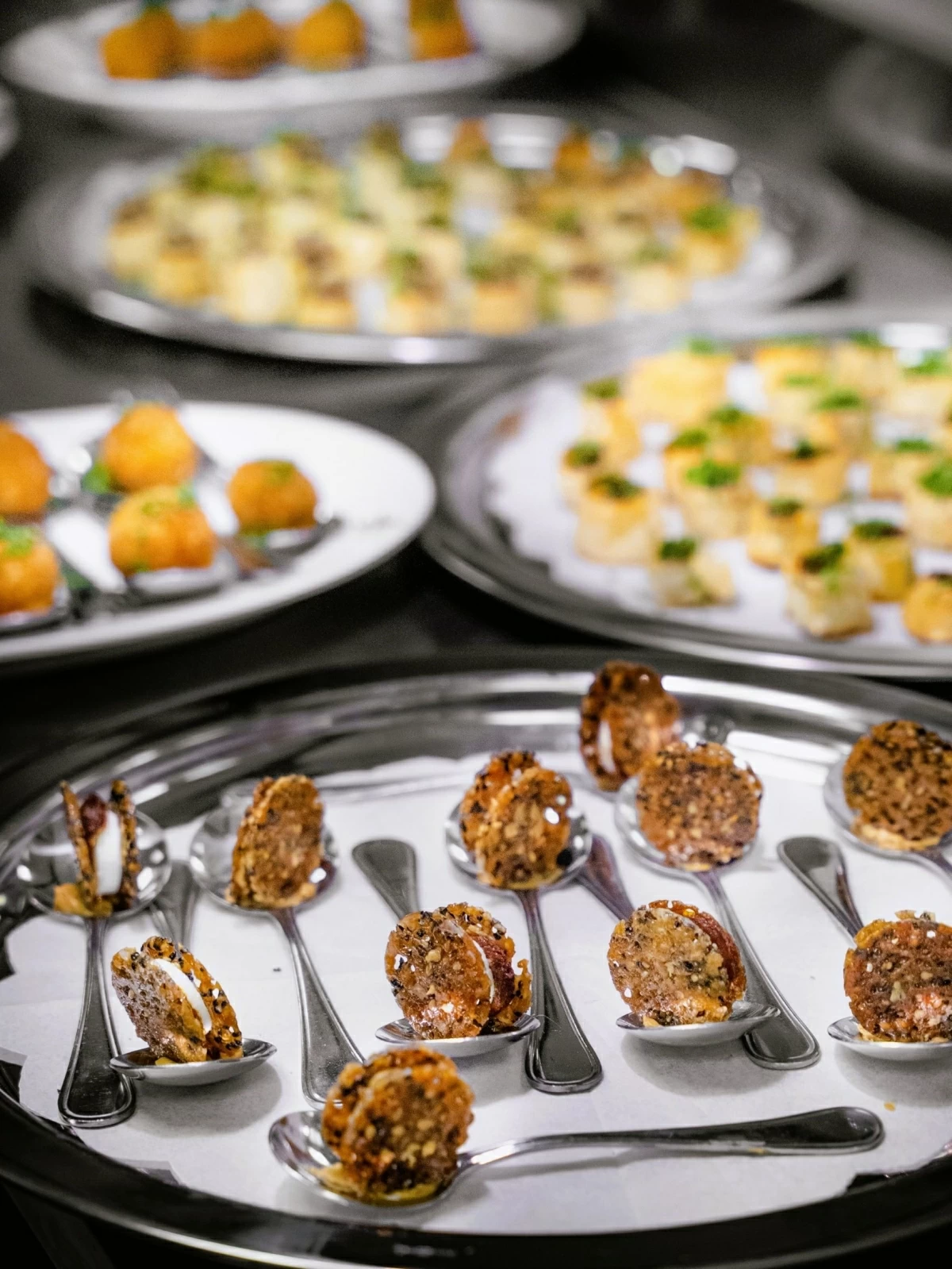
The event began with a reception at the School of Hospitality and Tourism, where guests were welcomed with camel milk beverages and four types of canapes: camel cheese pumpkin arancini, camel cheese crisps, roast camel meat crostini, and camel meat puffs, according to an LTUC statement.
Lunch was served at Le Bistro, LTUC’s student-training restaurant. The first course featured a beetroot salad topped with camel milk cheese and quinoa tuile, followed by a main course of slow-cooked camel meat with polenta, glazed seasonal vegetables, and camel gravy.
Desserts included camel milk gelato in two flavours, halawet el jibn filled with caramelised camel milk paste, and profiteroles filled with cardamom rice pudding made from camel milk.
The meal concluded with camel milk chocolate decorated with an edible camel print. All dishes were prepared under the guidance of LTUC culinary instructors using 100 per cent local, seasonal ingredients.
Sahira Malkawi, representing LTUC, welcomed guests, saying, “Ships of the Desert carries a good message for Jordan and Jordanians to awaken our hidden heritage and culture and bring it back to the surface.”
Sami Allawama, founder of Camelera, Jordan’s first camel milk producer, discussed the mission to revitalise camel breeding while emphasising camel milk’s unique nutritional profile, rich in vitamins, minerals, and probiotics.
Nicolas Dingemans presented the culinary tourism project “From Farm to Fork in Jordan,” highlighting camel milk as a symbol of sustainable gastronomy—combining health, environmental awareness, responsible innovation, and socioeconomic impact. Executive Chef Mohammad Babieh discussed LTUC’s commitment to local sourcing, while students shared their experiences cooking with camel products.
To prepare students for the event, LTUC organised classes and field trips to two camel farms. Allawama lectured on camel milk’s health benefits, and Dingemans covered sustainable gastronomy principles, the statement said.
Forty students, accompanied by Chef Babieh and culinary instructor Rasha Najjar, learned to feed and milk camels, reconnecting with the source of their ingredients.
The lunch is part of a national campaign with three events designed to improve Bedouin livelihoods by creating demand for local camel products while promoting Jordan’s nomadic heritage. Ships of the Desert Part I took place in Wadi Rum in 2024, Part II at LTUC in Amman, and Part III is planned for early 2026 in Aqaba, the statement read.
Camels, long celebrated as the “Ships of the Desert,” are deeply woven into Jordanian culture. Historically, camel caravans transported silk, spices, food, and luxury goods along the Silk Road, Spice Route, and Incense Route, linking Arabia to the Mediterranean and shaping the region’s economic, cultural, and social landscape, the statement read.
Beyond trade, these routes facilitated the exchange of knowledge, art, and culture, cementing the camel’s role as a symbol of mobility, resilience, and heritage.
