






 Share Story


AMMAN — A Royal Decree has been issued summoning Parliament to convene for an extraordinary session starting on July 12.
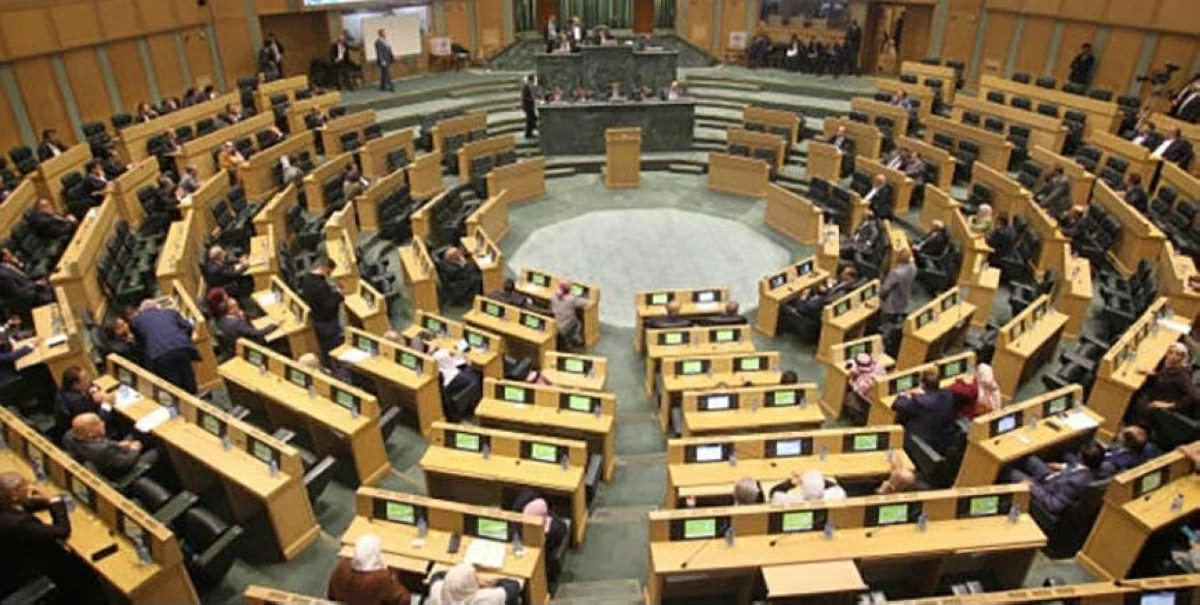
The Lower House will hold the first sitting of its first extraordinary session since its election to deliberate a number of draft laws referred by the government.
As per the Royal Decree, lawmakers will deliberate six draft laws, including the Local Administration Law, amendments to the Jordanian Universities Law and the Real Estate Ownership Law, the repeal of the Civil Consumer Corporation Law, the Regulation of Professional Practice Law, and the Accreditation and Quality Assurance Commission Law.
The Lower House is expected to prioritise the Local Administration draft law during the extraordinary session.
Approved by the Cabinet on May 24, the bill aims to develop the local administration system and strengthen its developmental role.
The draft law aligns with the recommendations of the Royal Committee to Modernise the Political System, the Economic Modernisation Vision and the Public Sector Modernisation Roadmap, the Jordan News Agency, Petra reported.
It also implements Royal directives to review and develop legislation governing local administration, as well as the commitments outlined in the government's policy statement.
The government held extensive consultations before drafting the bill, involving parliamentary blocs, the Senate president and members, representatives of relevant sectors and institutions, former ministers of municipal affairs, and experts, according to Petra.
The draft law focuses on strengthening governance in the local administration sector and linking it to sustainable development, while expanding public participation, enhancing accountability and improving service delivery.
It also aims to transform municipalities from service providers into development and investment partners through strategic and urban planning that responds to local needs and stimulates economic activity in the governorates.
The draft law also redefines the relationship between municipal councils and the executive administration, assigning policy-making, decision-making and oversight to elected councils, while entrusting the executive administration with preparing and implementing plans. The measure is intended to strengthen accountability and avoid overlapping responsibilities.
The bill preserves the direct election of municipal council chairpersons and members through separate ballots, while introducing measures to strengthen electoral integrity, Petra said.
It also retains the post of executive director to lead the municipality's administrative and executive operations, with a view to improving efficiency, expanding automation and digital transformation, and enhancing service delivery.
The draft law also broadens the mayor's responsibilities to include overseeing service quality, following up on stalled projects and enhancing coordination with government entities, service providers and local communities, while preserving the powers of municipal councils and the executive administration.
On governorate councils, the bill proposes restructuring them to include elected representatives from professional associations, chambers of commerce and industry, women's unions, farmers' associations and other elected bodies.
It also envisions a greater role for the councils in development and investment planning, while requiring the deputy chairperson of each governorate council to be a woman.
