


Lecture sheds new light on Umm Al Jimal churches

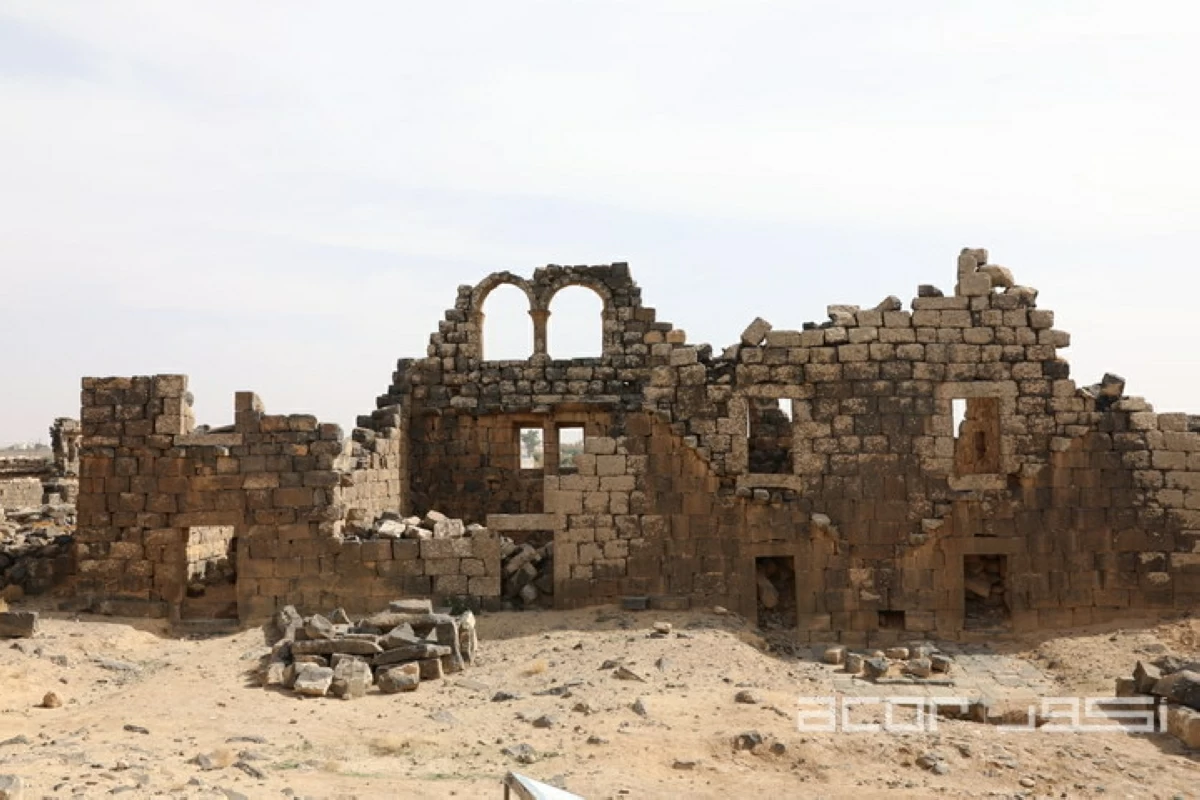
A courtyard of House XVIII (Photo courtesy of ACOR)

AMMAN — Umm Al Jimal is a significant archaeological site in the north-eastern Jordan and it had 700 years of continuous occupation. The Nabataeans found the site in the 1st century BC and it is most famous for its distinctive black basalt architecture.

During the Roman rule, the population of Umm Al Jimal grew to 3,000 inhabitants. By the end of the 3rd century AD, most of old buildings and tombs were recycled into new structures and the city belonged to the Province of Arabia.

However, in the late Byzantine and early Islamic phases the population grew to 10,000 citizens with 16 churches.

Persian wars and the catastrophic earthquake in 749AD contributed to a decline of Umm Al Jimal.

Centuries passed until Howard Butler (1872-1922) from Princeton University led an American archaeological expedition in 1905 which excavated at Umm Al Jimal.

Professor Khaled Bashaireh from Yarmouk University in Irbid spoke about Umm Al Jimal at American Centre of Research on Sunday at the lecture titled “Highlighting the Byzantine Umm Al Jimal’s Chronology Using the Radiocarbon Dating Technique”.

"The more recent excavations were initiated by the late Professor Bert De Vries from Calvin College and the project was launched in 1972," Bashaireh said.

The dating of churches and structures of Umm Al Jimal archaeological site is mainly based on stylistic comparison, architectural elements and inscriptions out of context, and this needs to be supported by absolute dating technique, the professor continued.

Professor Butler dated one of churches for 344AD based on Julianos' inscription on a lintel so he presented the earliest church dated by inscription in this region, Bashaireh noted, adding that the last decades of the 6th century AD are interpreted as the most probable date for the renovation of the synthronon.

"The 5th century AD, probably during the second half [465-507], might be the construction date of the old mosaic floor in the church," Bashaireh noted.

In addition to studies of the Department of Antiquities of Jordan, two studies about Umm Al Jimal were written by professors Butler and De Vries.

Architectural styles of churches also determine the period of their construction, the scholar pointed out. Some dwelling homes were changed into administrative complexes.

"Out of 16 churches, 14 were intramural and two extramural, and they were named after their location at the site," Bashaireh said, adding that based on the size they were named basilicas and chapels.

Most churches were built during the Byzantine Period which makes the most prosperous time for Umm Al Jimal.

"The investigated cement materials represent a good tool for the chronological reconstruction of Byzantine architecture of Umm Al Jimal. The technology of cement materials was inherited and lasted for generations," Bashaireh.

.col-lg-12.second .opinion-widget{border-top:1px solid #D0D0D0;} #widget_1623 .opinions-title {font-size:32px;} #widget_1623 .opinions-title a{font-size:32px;} .first-author{ background-color:#ecedef; } .first-opinion-author-name{ background-color:white; width:max-content; padding:5px; }
.epaper-separator{ height: 1px; width: 100%; background-color: #D0D0D0; margin: 15px 0; }

Today’s Paper

.related-articles .article-widget-sm .article-title{font-size:16px;-webkit-line-clamp:3;} .related-articles .layout-ratio{padding-bottom:55%;}
.alert-success { color :#A3656F ; } .alert-danger { color : red ; } .footer { font-family:Myriad Pro,Arial; } .newspaper-footer{ visibility:hidden; } .socialFixOuter { position: fixed; top: 50%; margin-top: 40px; right: 0; transition: .2s; z-index: 20; height: 217px; width: 40px; } .socialFix { height: 30px; width: 30px; display: block; position: relative; cursor: pointer; background-size: 18px 18px; transition: .2s; background-position: center; background-repeat: no-repeat; border-radius: 2px; margin-top: 1px; } .socialFix:hover { width: 40px; margin-left: -10px; } .app-badge-img { height: 36px; width: auto; } @media (max-width: 768px) { .app-badge-img { height: 32px; } .app-badges { justify-content: center !important; } }
document.addEventListener("DOMContentLoaded", function () { const socialFix = document.querySelector(".socialFixOuter"); if (!socialFix) return; let firstInteraction = false; let hideTimeout = null; function checkMobileScreen() { if (window.innerWidth < 768) { socialFix.style.display = "none"; } else { socialFix.style.display = "block"; } } checkMobileScreen(); window.addEventListener("resize", checkMobileScreen); function handleFirstInteraction() { if (firstInteraction) return; if (window.innerWidth < 768) return; firstInteraction = true; socialFix.style.right = "-25px"; } socialFix.addEventListener("mouseenter", function () { if (window.innerWidth < 768) return; if (hideTimeout) clearTimeout(hideTimeout); socialFix.style.right = "0"; }); socialFix.addEventListener("mouseleave", function () { if (window.innerWidth < 768) return; if (hideTimeout) clearTimeout(hideTimeout); hideTimeout = setTimeout(() => { socialFix.style.right = "-25px"; }, 500); }); ["click", "touchstart"].forEach((evt) => { socialFix.addEventListener(evt, handleFirstInteraction); }); }); function validateEmail(email) { if (email.length > 255) return false; const emailRegex = /^[a-zA-Z0-9._%+-]+@[a-zA-Z0-9.-]+\.[a-zA-Z]{2,}$/; if (!emailRegex.test(email)) return false; if (email.includes('..') || email.startsWith('.') || email.endsWith('.')) return false; return true; } function sanitizeInput(input) { input = input.replace(/<[^>]*>/g, ''); input = input.replace(/javascript:/gi, ''); input = input.replace(/on\w+\s*=/gi, ''); input = input.replace(/[<>"'&(){}[\]]/g, ''); return input.trim(); } document.addEventListener('DOMContentLoaded', function () { function showModal(message, type) { const messageContainer = document.getElementById("messageContainerFooter"); messageContainer.textContent = message; messageContainer.className = `alert alert-${type} mt-3`; messageContainer.classList.remove("d-none"); setTimeout(() => { messageContainer.classList.add("d-none"); }, 5000); } document.getElementById("emailFormFooter").addEventListener("submit", function(event) { event.preventDefault(); const emailInput = document.getElementById("emailFooter"); const email = sanitizeInput(emailInput.value.trim()); if (!validateEmail(email)) { showModal('Invalid email format', 'danger'); return; } const formData = new FormData(); formData.append('email', email); fetch('/subscribeNewsletter', { method: "POST", body: formData, headers: { "Accept": "application/json", "X-Requested-With": "XMLHttpRequest" } }) .then(response => { if (!response.ok) { showModal("Error submitting email. Try again.", 'danger'); } return response.json(); }) .then(data => { showModal(data.message, 'success'); }) .catch(error => { showModal("Error submitting email. Try again.", 'danger'); }); }); });