


Jordan's food self-sufficiency rises to 61.4% in 2024 - statistics report

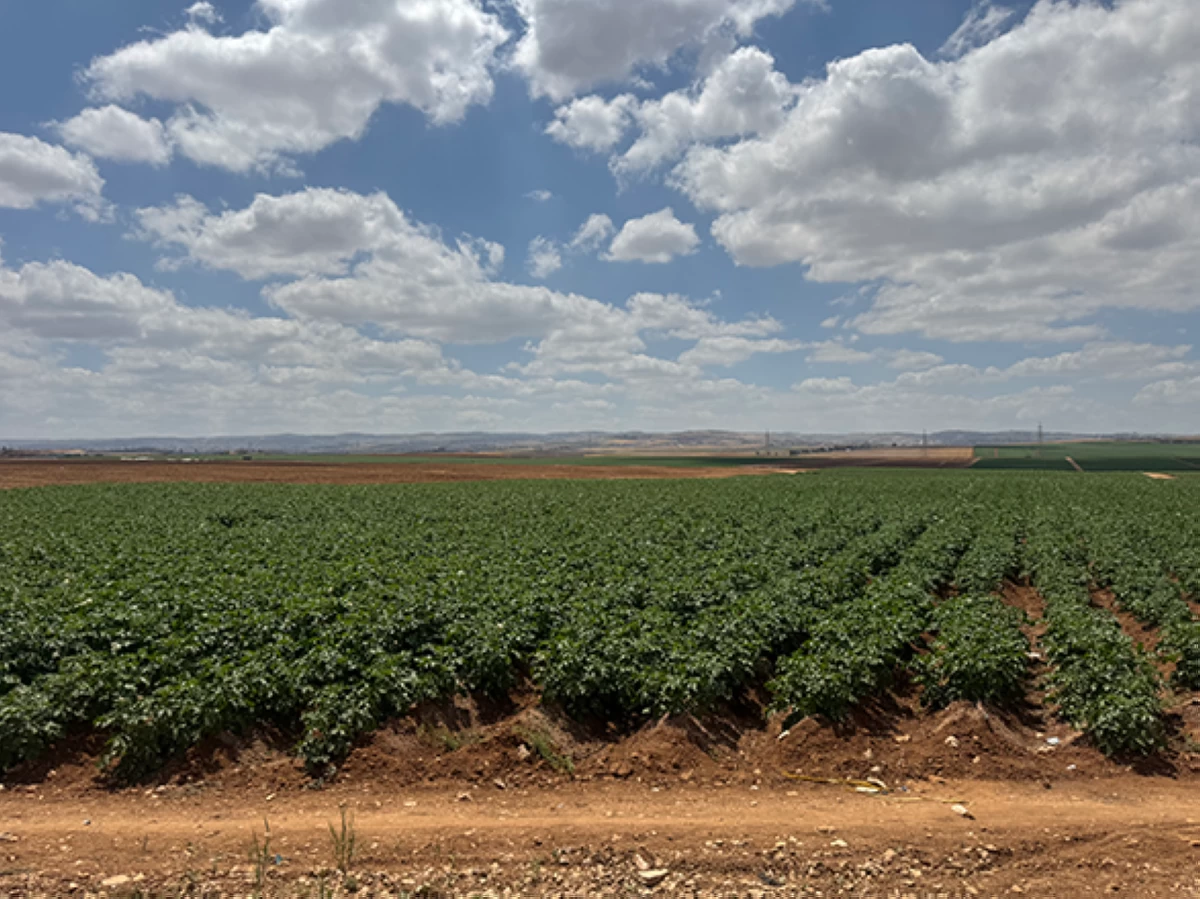
A report issued by the Department of Statistics of Thursday shows that Jordan's food self-sufficiency ratio rose to 61.4 per cent in 2024, up from 57.3 per cent in 2020 (JT file)

AMMAN — Jordan's food self-sufficiency ratio rose to 61.4 per cent in 2024, up from 57.3 per cent in 2020, reflecting improvements in local production and food security indicators, according to the annual Food Balance Sheet Report issued by the Department of Statistics.

The report, a key reference for national food security data, showed that the increase was driven by higher domestic production and surpluses in several agricultural crops, particularly vegetables, although a number of essential commodities continue to depend heavily on imports.

According to the report, 28 agricultural products recorded production surpluses in 2024, compared with 22 products in 2020. Fresh vegetables posted some of the highest self-sufficiency rates, led by cantaloupe at 485 per cent, zucchini at 173 per cent and tomatoes at 167 per cent.

Among fruit crops, apricots achieved a self-sufficiency rate of 271 per cent, while olives maintained full self-sufficiency at 100 per cent. Olive oil exceeded domestic demand, reaching 114 per cent.

In the livestock sector, Jordan achieved full self-sufficiency in fresh milk and recorded a surplus in table eggs, with a self-sufficiency rate of 108.1 per cent. Poultry meat reached 83.1 per cent self-sufficiency, while red meat remained significantly lower at 35.9 per cent.

Despite the gains, several strategic commodities continue to rely almost entirely on imports. Wheat self-sufficiency stood at just 2.9 per cent, while fish and seafood reached 8.9 per cent. Production of rice, sugar and vegetable oils, excluding olive oil, remained at zero per cent.

Fresh vegetables continued to dominate food exports in 2024. Tomato exports exceeded 226,000 tonnes, while exports of zucchini, cucumber and eggplant reached 31,000 tonnes, 11,000 tonnes and 3,000 tonnes, respectively. Cantaloupe exports totalled 51,000 tonnes, while apricot exports reached 14,000 tonnes.

The report also highlighted growth in overall food production, which increased from 3.6 million tonnes in 2020 to approximately 4 million tonnes in 2024, representing an 11.4 per cent rise.

Food exports climbed to nearly 900,000 tonnes during the period, while imports increased modestly from 3.3 million tonnes to 3.4 million tonnes.

A number of products, including olives, cucumbers, zucchini, eggplants and basic dairy products, recorded zero imports in both years, reflecting sufficient local production to meet domestic demand.

The report also underscored the importance of reducing food waste to strengthen food security, noting that each person in Jordan wastes an average of 81.3 kilogrammes of food annually in the household sector alone.

.col-lg-12.second .opinion-widget{border-top:1px solid #D0D0D0;} #widget_1623 .opinions-title {font-size:32px;} #widget_1623 .opinions-title a{font-size:32px;} .first-author{ background-color:#ecedef; } .first-opinion-author-name{ background-color:white; width:max-content; padding:5px; }
.epaper-separator{ height: 1px; width: 100%; background-color: #D0D0D0; margin: 15px 0; }

Today’s Paper

.related-articles .article-widget-sm .article-title{font-size:16px;-webkit-line-clamp:3;} .related-articles .layout-ratio{padding-bottom:55%;}
.alert-success { color :#A3656F ; } .alert-danger { color : red ; } .footer { font-family:Myriad Pro,Arial; } .newspaper-footer{ visibility:hidden; } .socialFixOuter { position: fixed; top: 50%; margin-top: 40px; right: 0; transition: .2s; z-index: 20; height: 217px; width: 40px; } .socialFix { height: 30px; width: 30px; display: block; position: relative; cursor: pointer; background-size: 18px 18px; transition: .2s; background-position: center; background-repeat: no-repeat; border-radius: 2px; margin-top: 1px; } .socialFix:hover { width: 40px; margin-left: -10px; } .app-badge-img { height: 36px; width: auto; } @media (max-width: 768px) { .app-badge-img { height: 32px; } .app-badges { justify-content: center !important; } }
document.addEventListener("DOMContentLoaded", function () { const socialFix = document.querySelector(".socialFixOuter"); if (!socialFix) return; let firstInteraction = false; let hideTimeout = null; function checkMobileScreen() { if (window.innerWidth < 768) { socialFix.style.display = "none"; } else { socialFix.style.display = "block"; } } checkMobileScreen(); window.addEventListener("resize", checkMobileScreen); function handleFirstInteraction() { if (firstInteraction) return; if (window.innerWidth < 768) return; firstInteraction = true; socialFix.style.right = "-25px"; } socialFix.addEventListener("mouseenter", function () { if (window.innerWidth < 768) return; if (hideTimeout) clearTimeout(hideTimeout); socialFix.style.right = "0"; }); socialFix.addEventListener("mouseleave", function () { if (window.innerWidth < 768) return; if (hideTimeout) clearTimeout(hideTimeout); hideTimeout = setTimeout(() => { socialFix.style.right = "-25px"; }, 500); }); ["click", "touchstart"].forEach((evt) => { socialFix.addEventListener(evt, handleFirstInteraction); }); }); function validateEmail(email) { if (email.length > 255) return false; const emailRegex = /^[a-zA-Z0-9._%+-]+@[a-zA-Z0-9.-]+\.[a-zA-Z]{2,}$/; if (!emailRegex.test(email)) return false; if (email.includes('..') || email.startsWith('.') || email.endsWith('.')) return false; return true; } function sanitizeInput(input) { input = input.replace(/<[^>]*>/g, ''); input = input.replace(/javascript:/gi, ''); input = input.replace(/on\w+\s*=/gi, ''); input = input.replace(/[<>"'&(){}[\]]/g, ''); return input.trim(); } document.addEventListener('DOMContentLoaded', function () { function showModal(message, type) { const messageContainer = document.getElementById("messageContainerFooter"); messageContainer.textContent = message; messageContainer.className = `alert alert-${type} mt-3`; messageContainer.classList.remove("d-none"); setTimeout(() => { messageContainer.classList.add("d-none"); }, 5000); } document.getElementById("emailFormFooter").addEventListener("submit", function(event) { event.preventDefault(); const emailInput = document.getElementById("emailFooter"); const email = sanitizeInput(emailInput.value.trim()); if (!validateEmail(email)) { showModal('Invalid email format', 'danger'); return; } const formData = new FormData(); formData.append('email', email); fetch('/subscribeNewsletter', { method: "POST", body: formData, headers: { "Accept": "application/json", "X-Requested-With": "XMLHttpRequest" } }) .then(response => { if (!response.ok) { showModal("Error submitting email. Try again.", 'danger'); } return response.json(); }) .then(data => { showModal(data.message, 'success'); }) .catch(error => { showModal("Error submitting email. Try again.", 'danger'); }); }); });