


Jordan sees 6% rise in e-wallet users reaching 2.17 million

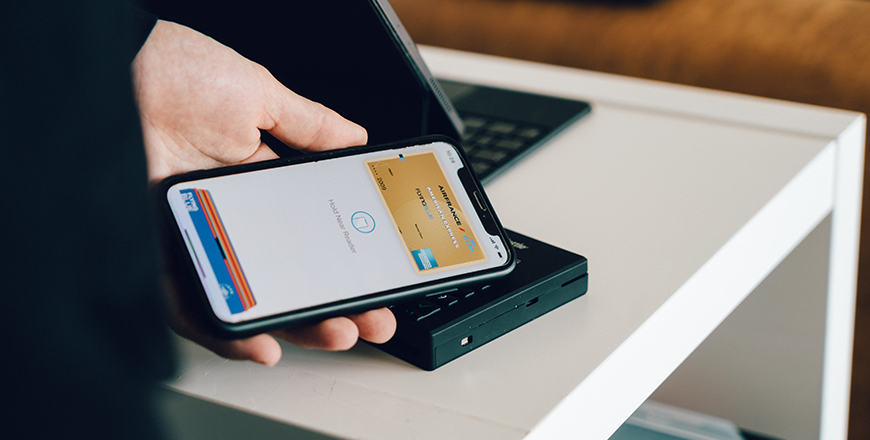
E-wallets are mobile applications or can be described as an online payment tool that facilitates online transactions (JT File photo)

AMMAN—The number of e-wallet users in the Kingdom has risen by 6 per cent, according to recent statistics released by the Central Bank of Jordan (CBJ). 

Digital wallet usage among Jordanians reached 2.17 million users, CBJ stated, adding that there are eight payment and electronic transfer companies operating in the country which are authorised by the CBJ, in addition to connecting 19 banks to provide consumers with mobile payment services, thereby exchanging financial transactions between mobile wallets and to and from bank accounts. 

Commenting on the recent figures, Sara Younes, a Jordanian banker, told The Jordan Times over the phone that e-wallets are mobile applications or can be described as an online payment tool that facilitates online transactions. 

She said that “e-wallets are becoming stables in Jordan and elsewhere, due to their security and convenience, and this reflects the widespread adoption of digital financial instruments.”

However, she said that a downside to using e-wallets, according to many users is the fact that they spend much more money when using digital wallets, as they lose track of how much they spent.

Further, she pointed out that younger generations are more likely to use e-wallet applications than older generations. 

Speaking with The Jordan Times, Noor Shabsoug, a Jordanian in her 20s who uses one of the eight available e-wallets, said that “people are using digital wallets in Jordan at least twice as the traditional payments,” noting that local preferences for digital payments are increasing in almost all governorates.

.col-lg-12.second .opinion-widget{border-top:1px solid #D0D0D0;} #widget_1623 .opinions-title {font-size:32px;} #widget_1623 .opinions-title a{font-size:32px;} .first-author{ background-color:#ecedef; } .first-opinion-author-name{ background-color:white; width:max-content; padding:5px; }
.epaper-separator{ height: 1px; width: 100%; background-color: #D0D0D0; margin: 15px 0; }

Today’s Paper

.related-articles .article-widget-sm .article-title{font-size:16px;-webkit-line-clamp:3;} .related-articles .layout-ratio{padding-bottom:55%;}
.alert-success { color :#A3656F ; } .alert-danger { color : red ; } .footer { font-family:Myriad Pro,Arial; } .newspaper-footer{ visibility:hidden; } .socialFixOuter { position: fixed; top: 50%; margin-top: 40px; right: 0; transition: .2s; z-index: 20; height: 217px; width: 40px; } .socialFix { height: 30px; width: 30px; display: block; position: relative; cursor: pointer; background-size: 18px 18px; transition: .2s; background-position: center; background-repeat: no-repeat; border-radius: 2px; margin-top: 1px; } .socialFix:hover { width: 40px; margin-left: -10px; } .app-badge-img { height: 36px; width: auto; } @media (max-width: 768px) { .app-badge-img { height: 32px; } .app-badges { justify-content: center !important; } }
document.addEventListener("DOMContentLoaded", function () { const socialFix = document.querySelector(".socialFixOuter"); if (!socialFix) return; let firstInteraction = false; let hideTimeout = null; function checkMobileScreen() { if (window.innerWidth < 768) { socialFix.style.display = "none"; } else { socialFix.style.display = "block"; } } checkMobileScreen(); window.addEventListener("resize", checkMobileScreen); function handleFirstInteraction() { if (firstInteraction) return; if (window.innerWidth < 768) return; firstInteraction = true; socialFix.style.right = "-25px"; } socialFix.addEventListener("mouseenter", function () { if (window.innerWidth < 768) return; if (hideTimeout) clearTimeout(hideTimeout); socialFix.style.right = "0"; }); socialFix.addEventListener("mouseleave", function () { if (window.innerWidth < 768) return; if (hideTimeout) clearTimeout(hideTimeout); hideTimeout = setTimeout(() => { socialFix.style.right = "-25px"; }, 500); }); ["click", "touchstart"].forEach((evt) => { socialFix.addEventListener(evt, handleFirstInteraction); }); }); function validateEmail(email) { if (email.length > 255) return false; const emailRegex = /^[a-zA-Z0-9._%+-]+@[a-zA-Z0-9.-]+\.[a-zA-Z]{2,}$/; if (!emailRegex.test(email)) return false; if (email.includes('..') || email.startsWith('.') || email.endsWith('.')) return false; return true; } function sanitizeInput(input) { input = input.replace(/<[^>]*>/g, ''); input = input.replace(/javascript:/gi, ''); input = input.replace(/on\w+\s*=/gi, ''); input = input.replace(/[<>"'&(){}[\]]/g, ''); return input.trim(); } document.addEventListener('DOMContentLoaded', function () { function showModal(message, type) { const messageContainer = document.getElementById("messageContainerFooter"); messageContainer.textContent = message; messageContainer.className = `alert alert-${type} mt-3`; messageContainer.classList.remove("d-none"); setTimeout(() => { messageContainer.classList.add("d-none"); }, 5000); } document.getElementById("emailFormFooter").addEventListener("submit", function(event) { event.preventDefault(); const emailInput = document.getElementById("emailFooter"); const email = sanitizeInput(emailInput.value.trim()); if (!validateEmail(email)) { showModal('Invalid email format', 'danger'); return; } const formData = new FormData(); formData.append('email', email); fetch('/subscribeNewsletter', { method: "POST", body: formData, headers: { "Accept": "application/json", "X-Requested-With": "XMLHttpRequest" } }) .then(response => { if (!response.ok) { showModal("Error submitting email. Try again.", 'danger'); } return response.json(); }) .then(data => { showModal(data.message, 'success'); }) .catch(error => { showModal("Error submitting email. Try again.", 'danger'); }); }); });