






 Share Story


AMMAN — Jordan and Germany on [day] signed a 22.7 million-euro debt swap agreement to support the readiness programme for the National Water Carrier Project, a key initiative aimed at strengthening the Kingdom's long-term water security.
The agreement was signed by Minister of Finance Abdelhakim Shibli and Director of the German Development Bank (KfW) office in Jordan Matthias Schmidt-Rosen, according to Al Mamlaka TV.
The signing ceremony was attended by Deputy Director of the KfW office in Amman Sawsan Aruri, Head of the Jordan Division at the German Ministry for Economic Cooperation and Development (BMZ) Annette Chammas, and Nicolas von Kalm from the German ministry.
Under the agreement, part of Jordan's debt to Germany will be converted into funding for the National Water Carrier Project, bringing Germany's total contribution to the project to 127 million euros and making it one of its largest donors.
The funding will support the implementation of the project's readiness programme, which is designed to facilitate the efficient transport, storage and distribution of drinking water.
The National Water Carrier Project is expected to desalinate 300 million cubic metres of drinking water annually, providing a sustainable water source for millions of Jordanians.
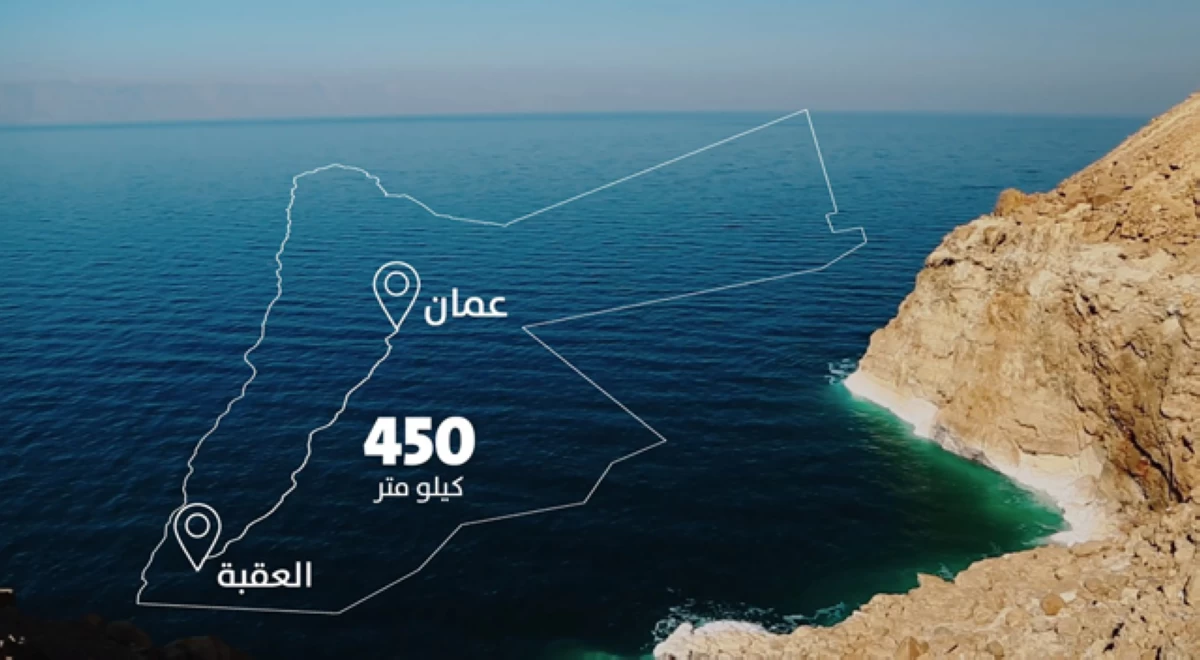
Implemented under a public-private partnership framework, the project includes the construction of a desalination plant on the Red Sea, a more than 450-kilometre water transmission system, pumping stations and renewable energy facilities, supporting Jordan's water, climate and energy goals.
The government signed in April the final technical and legal agreement for the Aqaba–Amman Water Desalination and Conveyance Project (the National Water Carrier).
The National Water Carrier is a world-first strategic initiative that integrates several pillars: the desalination of 300 million cubic metres (mcm) of seawater annually, pumping systems capable of lifting water to elevations of 1,100 metres above sea level via a 450-kilometre pipeline network, and a heavy reliance on eco-friendly, cutting-edge renewable energy technologies.
Set to provide approximately 40 per cent of the Kingdom's drinking water needs, the project is expected to begin operations in 2030, serving as a vital cornerstone for national water security.
It will increase the Kingdom’s water supply by 40 per cent, effectively doubling the annual per capita share from 60 to 110 cubic metres.
The project, according to officials, will increase the frequency of water supply from one day to three days per week across all governorates.
