






 Share Story


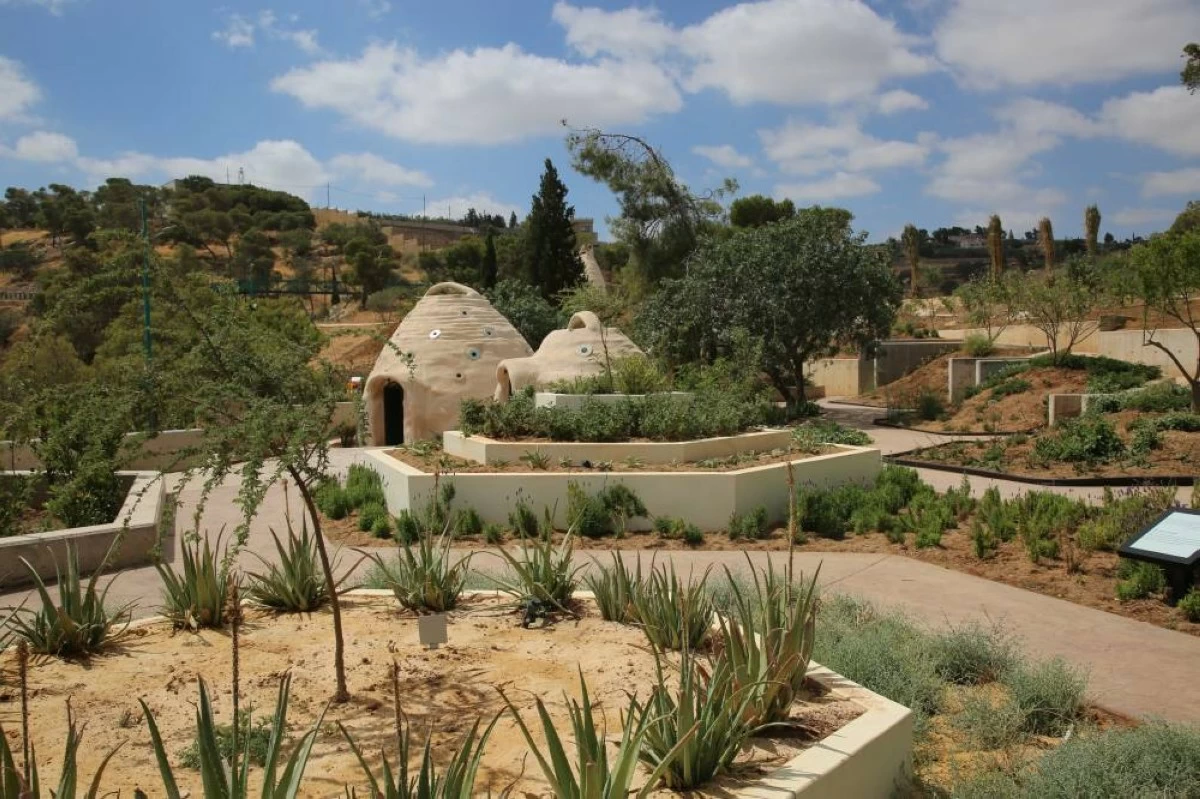
AMMAN — In the hills overlooking the King Talal Dam, the Royal Botanic Garden (RBG) is positioning itself as a “key” player in Jordan’s environmental research and conservation efforts.
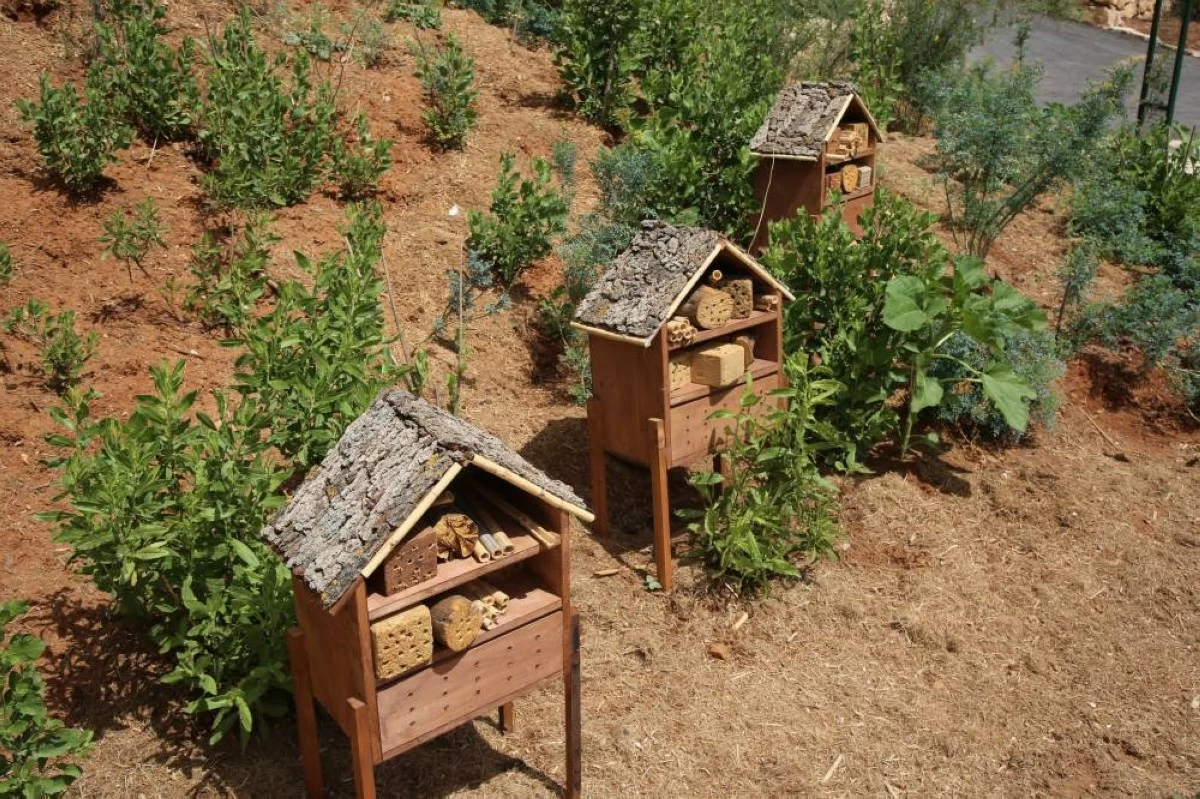
Spread across 1,782 dunums, the garden hosts over 600 plant species, a natural herbarium, a seed bank, and projects focused on permaculture and sustainable agriculture.
Jordan is one of the world’s most water-scarce countries, and the RBG aims to provide practical solutions by promoting native plant species, water-saving agricultural techniques, and climate resilience.
“Our aim is to protect Jordan’s biodiversity and also show that environmental sustainability is possible even with limited resources,” said RBG Director Yaseen Ananbeh.
The garden includes a seed bank that preserves around 1,700 samples from nearly 600 species – around 23 per cent of Jordan’s native plant genetic resources – with a focus on those threatened by extinction. The herbarium, developed in partnership with the UK’s Kew Gardens, contains more than 7,200 botanical samples.
Ananbeh explained that sustainability is built into the garden’s design.
“We do not use electricity-based cooling systems. We use heat-resistant bricks made from nearby dam sediment and natural shading. We also avoid using water directly from the dam due to slight pollution and instead rely on nearby wells,” he told The Jordan Times. Water treatment projects are in development to expand future options.
In addition to research, the garden has an outreach role. It works with local farming communities and trains visitors in permaculture and organic farming. The RBG also features a “Jordanian Heritage Garden” that highlights plants commonly grown in Jordanian households, such as mint, basil, and sage.
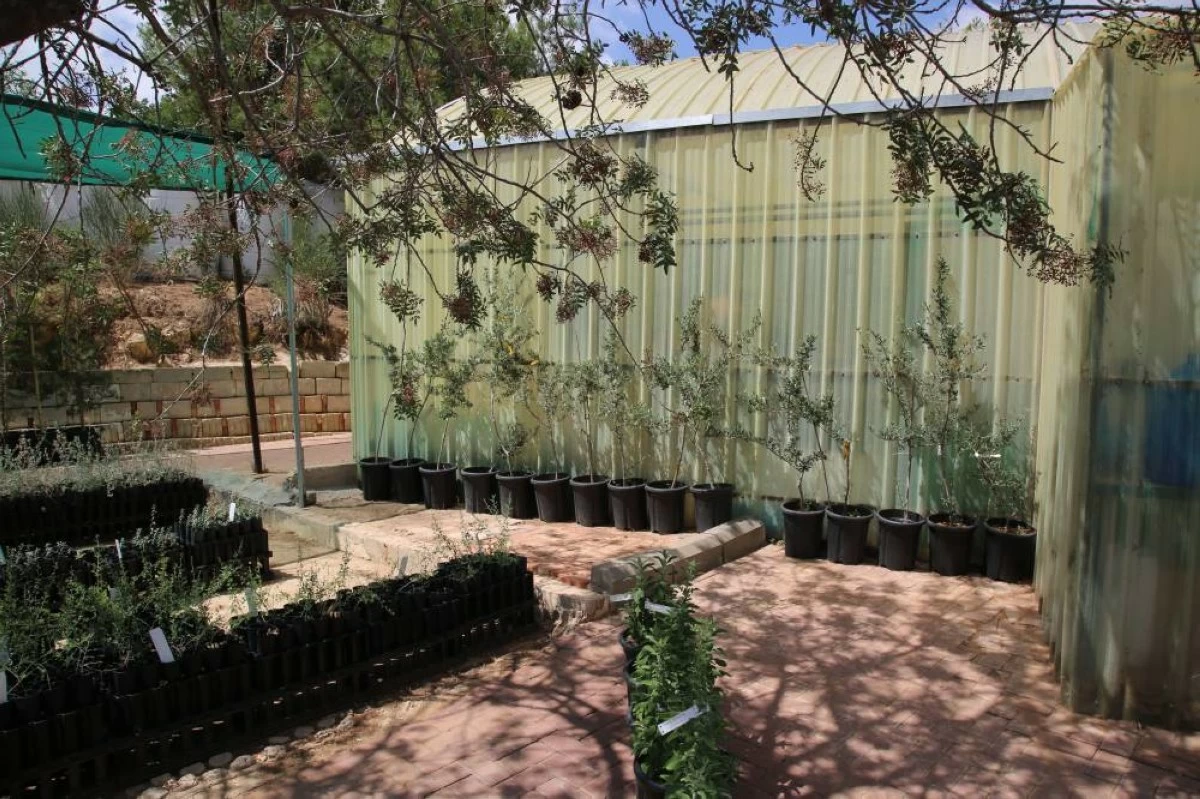
“We combine traditional farming knowledge with modern approaches to teach practical, sustainable methods. Everything we grow is native and propagated in our own nurseries,” said Ananbeh.
The site is also open to the public and aims to attract both researchers and visitors. It includes marked habitat zones that replicate the country’s ecological regions – from pine and juniper forests to freshwater wadis. New features such as a zipline and guided tours aim to attract more engagement from the public.
Despite these efforts, the director acknowledged that environmental awareness is still limited, especially in public education and urban planning. “We work with NGO’s and international donours like UNDP and the French Association. But ecological awareness in schools and cities remain low. We need better access and more support at the national level,” he said.
The RBG supports Jordan’s environmental commitments under international frameworks, including the UN Framework Convention on Climate Change, the Convention to Combat Desertification, and the Convention on Biological Diversity.
It continues to grow its facilities and programmes, aiming to serve both as a national resource for conservation and a practical example of how to manage land and biodiversity in difficult environmental conditions.
