


Heritage Alert: Centuries of Palestinian history threatened in Nablus hills

AMMAN — Khirbet Qarqafa carries thousands of years of history in its soil. Once a fortified stronghold during the Roman period, it is today at the heart of growing fears over cultural erasure.

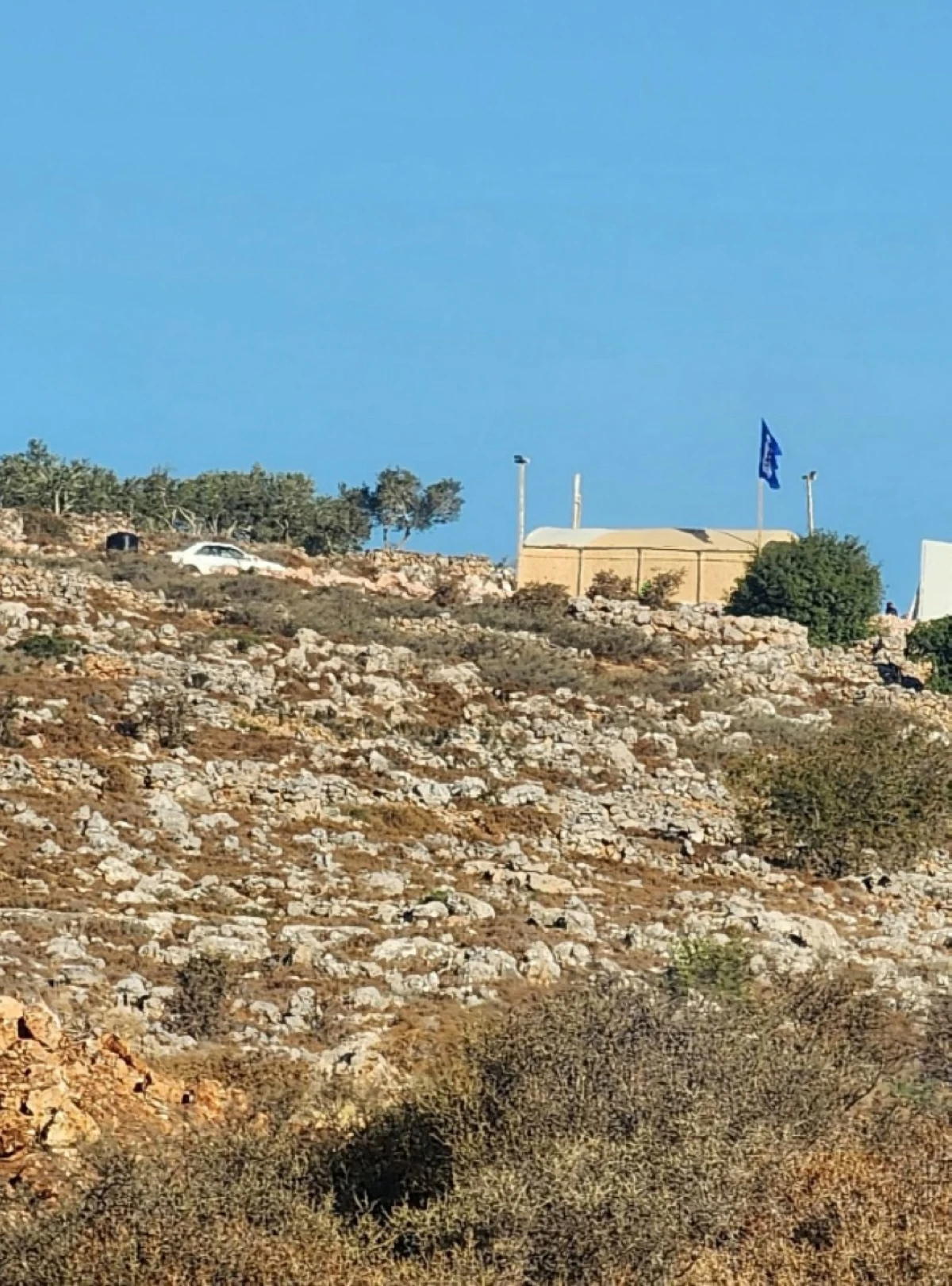
Recently, dozens of Israeli settlers began large-scale excavation work at an illegal outpost built on Palestinian land in the area south of the town of Agraba, southeast of Nablus, according to the Middle East Monitor.

Heritage organisations have denounced the activity, warning that the digs targeted a historic archaeological site under the protection of Israeli forces. They urged UNESCO and the international community to act rapidly to prevent further destruction.

Archaeological evidence in Khirbet Qarqafa traces its roots back to the Canaanite period, around 1800 BCE, continuing through the Roman, Byzantine, and Islamic eras. The site also played a role in more recent history, serving as a stronghold during the 1936 Arab Revolt and as a centre of resistance after 1967.

At the intersection of lands belonging to four towns (Aqraba, Osrin, Qabalan and Jurish), Khirbet Qarqafa preserves a rare cultural landscape.

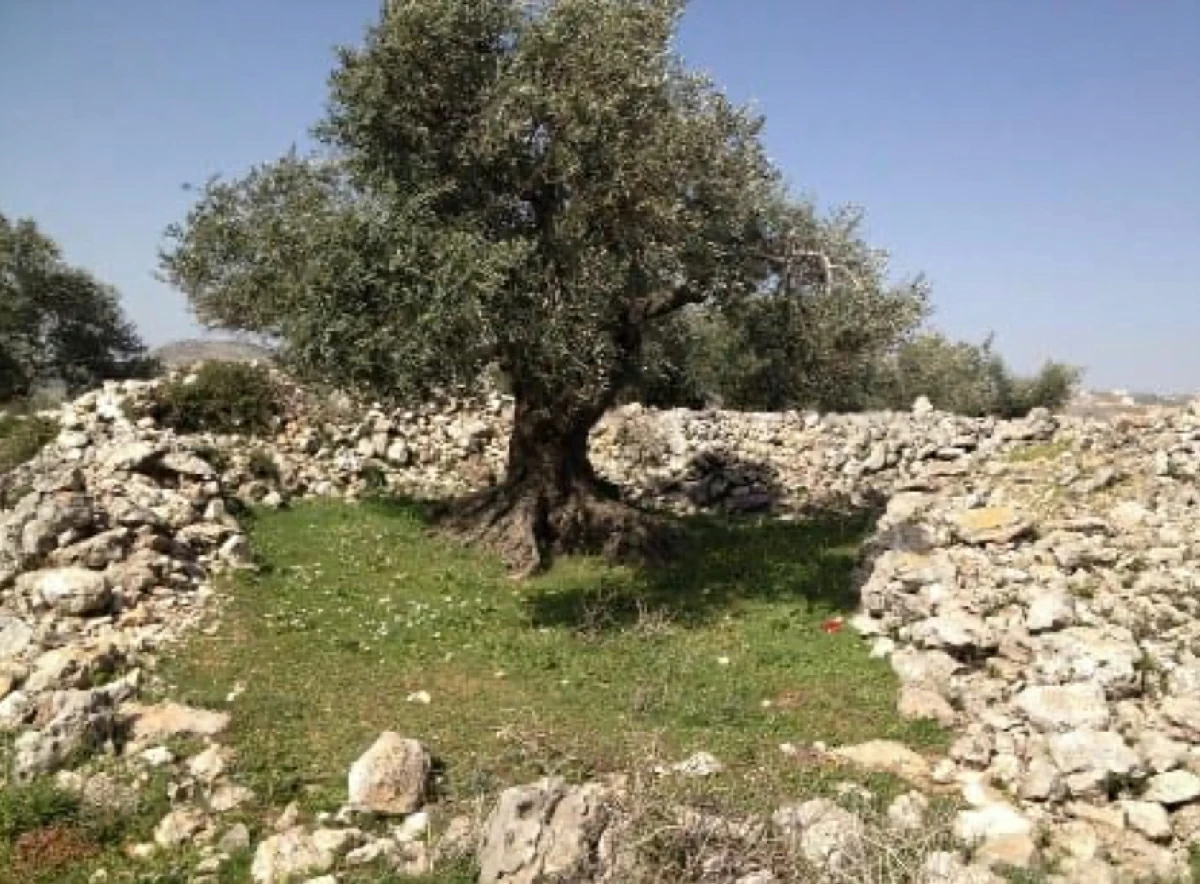
It is home to olive groves dating back centuries, rock-cut tombs, cisterns, wine and olive press, and sacred shrines long venerated by local communities. Among them is Maqam al-Sheikh al-Qarqafaawi, a sacred site associated with folk practices and spiritual traditions.
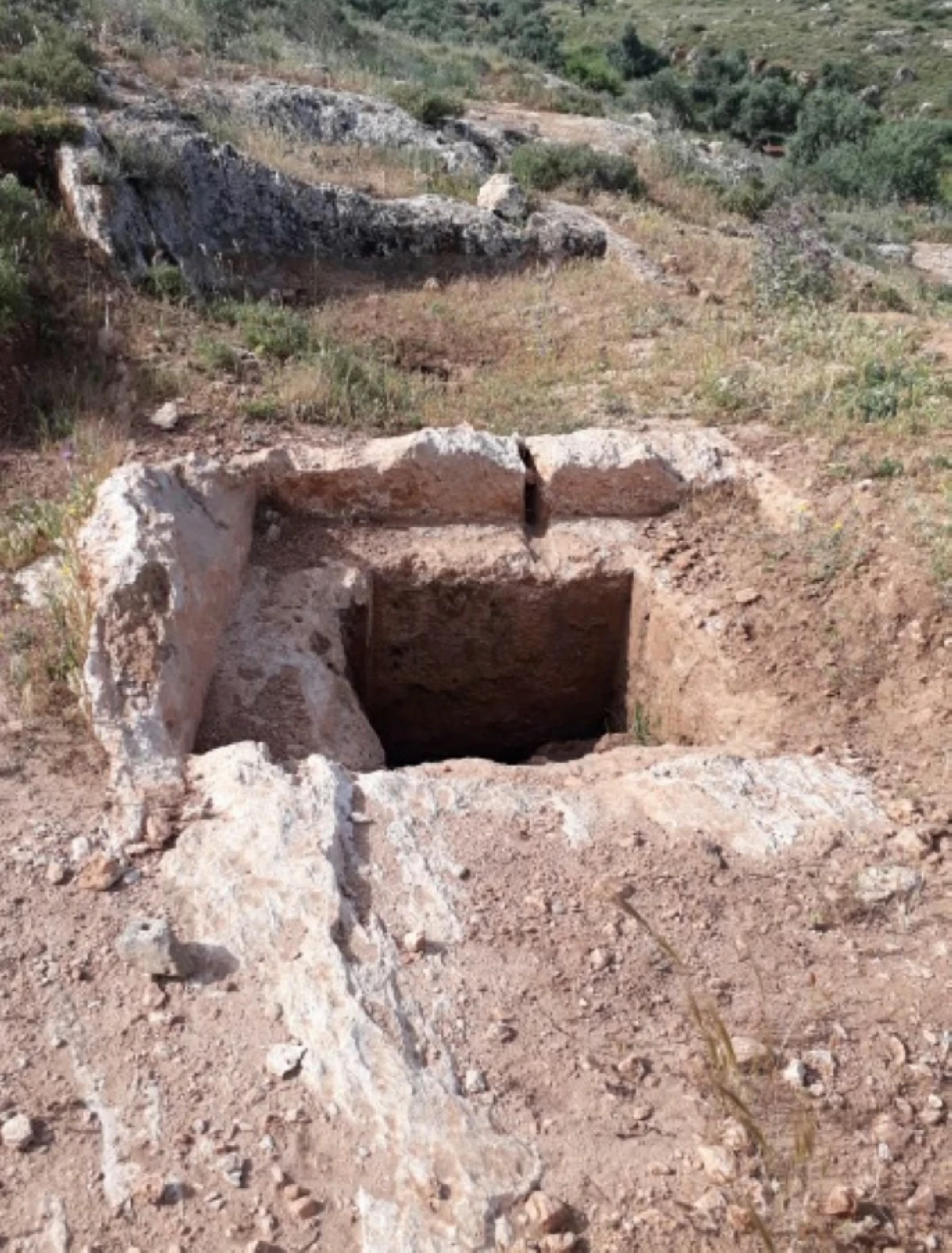
Khirbet Qarqafa 
(Photos courtesy of Hamza Aqrabawi)

Today, however, Khirbet Qarqafa faces its most serious threat in centuries. A recent report by ICOMOS Palestine, shared with The Jordan Times, documents how settler outposts have taken roots on the summit of Mount Qarqafa.

These illegal outposts have been accompanied by extensive land clearance, the uprooting of ancient olive trees, and the installation of electricity and water infrastructure intended to entrench and expand settler presence in the area.

The archaeological site itself is situated on top of the mountain, within area C of the West Bank, under full Israeli control, leaving it with no formal legal protection under Palestinian law.

In recent years, illegal alterations and deliberate destruction have occurred, linked to Israeli settlement expansion. “The ruins are partially intact but show significant deterioration,” the report said.

“These developments pose a grave threat to the site’s historical, cultural, and ecological integrity, as well as to the collective memory and heritage of the local community,” said Shireen Allan, head of ICOMOS Palestine. “The site is in urgent need of legal protection and international action.”

The report warns that the systematic encroachment risks not only erasing the archaeological record, but also cutting local Palestinians off from land they have cultivated and preserved for generations. For local communities, the site is not simply a collection of ruins but a living part of their identity and memory, where agriculture, folklore, and religious practice have coexisted for millennia.

ICOMOS Palestine, alongside local researchers such as Hamza Al Aqrabawi, is calling for urgent legal protection of Khirbet Qarqafa. Their recommendations include international recognition of the site’s heritage, the cancellation of settlement-related activities, and the suspension of military orders that prevent Palestinians from accessing their lands.

The group has also appealed for UNESCO and other cultural bodies to uphold the principles of the 1972 World Heritage Convention and the 1954 Hague Convention, which obligates the protection of cultural heritage in occupied territories.

From its Canaanite foundations to its Roman fortifications, from its Byzantine churches to its Islamic shrines and olive groves, Khirbet Qarqafa is a tapestry of human history woven into the soil of Palestine. Yet that tapestry is now at risk of being irreversibly torn.

As bulldozers continue to move across Khirbet Qarqafa, the fate of this unique site now hangs in the balance.

.col-lg-12.second .opinion-widget{border-top:1px solid #D0D0D0;} #widget_1623 .opinions-title {font-size:32px;} #widget_1623 .opinions-title a{font-size:32px;} .first-author{ background-color:#ecedef; } .first-opinion-author-name{ background-color:white; width:max-content; padding:5px; }
.epaper-separator{ height: 1px; width: 100%; background-color: #D0D0D0; margin: 15px 0; }

Today’s Paper

.related-articles .article-widget-sm .article-title{font-size:16px;-webkit-line-clamp:3;} .related-articles .layout-ratio{padding-bottom:55%;}
.alert-success { color :#A3656F ; } .alert-danger { color : red ; } .footer { font-family:Myriad Pro,Arial; } .newspaper-footer{ visibility:hidden; } .socialFixOuter { position: fixed; top: 50%; margin-top: 40px; right: 0; transition: .2s; z-index: 20; height: 217px; width: 40px; } .socialFix { height: 30px; width: 30px; display: block; position: relative; cursor: pointer; background-size: 18px 18px; transition: .2s; background-position: center; background-repeat: no-repeat; border-radius: 2px; margin-top: 1px; } .socialFix:hover { width: 40px; margin-left: -10px; } .app-badge-img { height: 36px; width: auto; } @media (max-width: 768px) { .app-badge-img { height: 32px; } .app-badges { justify-content: center !important; } }
document.addEventListener("DOMContentLoaded", function () { const socialFix = document.querySelector(".socialFixOuter"); if (!socialFix) return; let firstInteraction = false; let hideTimeout = null; function checkMobileScreen() { if (window.innerWidth < 768) { socialFix.style.display = "none"; } else { socialFix.style.display = "block"; } } checkMobileScreen(); window.addEventListener("resize", checkMobileScreen); function handleFirstInteraction() { if (firstInteraction) return; if (window.innerWidth < 768) return; firstInteraction = true; socialFix.style.right = "-25px"; } socialFix.addEventListener("mouseenter", function () { if (window.innerWidth < 768) return; if (hideTimeout) clearTimeout(hideTimeout); socialFix.style.right = "0"; }); socialFix.addEventListener("mouseleave", function () { if (window.innerWidth < 768) return; if (hideTimeout) clearTimeout(hideTimeout); hideTimeout = setTimeout(() => { socialFix.style.right = "-25px"; }, 500); }); ["click", "touchstart"].forEach((evt) => { socialFix.addEventListener(evt, handleFirstInteraction); }); }); function validateEmail(email) { if (email.length > 255) return false; const emailRegex = /^[a-zA-Z0-9._%+-]+@[a-zA-Z0-9.-]+\.[a-zA-Z]{2,}$/; if (!emailRegex.test(email)) return false; if (email.includes('..') || email.startsWith('.') || email.endsWith('.')) return false; return true; } function sanitizeInput(input) { input = input.replace(/<[^>]*>/g, ''); input = input.replace(/javascript:/gi, ''); input = input.replace(/on\w+\s*=/gi, ''); input = input.replace(/[<>"'&(){}[\]]/g, ''); return input.trim(); } document.addEventListener('DOMContentLoaded', function () { function showModal(message, type) { const messageContainer = document.getElementById("messageContainerFooter"); messageContainer.textContent = message; messageContainer.className = `alert alert-${type} mt-3`; messageContainer.classList.remove("d-none"); setTimeout(() => { messageContainer.classList.add("d-none"); }, 5000); } document.getElementById("emailFormFooter").addEventListener("submit", function(event) { event.preventDefault(); const emailInput = document.getElementById("emailFooter"); const email = sanitizeInput(emailInput.value.trim()); if (!validateEmail(email)) { showModal('Invalid email format', 'danger'); return; } const formData = new FormData(); formData.append('email', email); fetch('/subscribeNewsletter', { method: "POST", body: formData, headers: { "Accept": "application/json", "X-Requested-With": "XMLHttpRequest" } }) .then(response => { if (!response.ok) { showModal("Error submitting email. Try again.", 'danger'); } return response.json(); }) .then(data => { showModal(data.message, 'success'); }) .catch(error => { showModal("Error submitting email. Try again.", 'danger'); }); }); });