


Gov't to roll out 100 electronic transport services, expand intercity buses to 1,000 — LTRC 

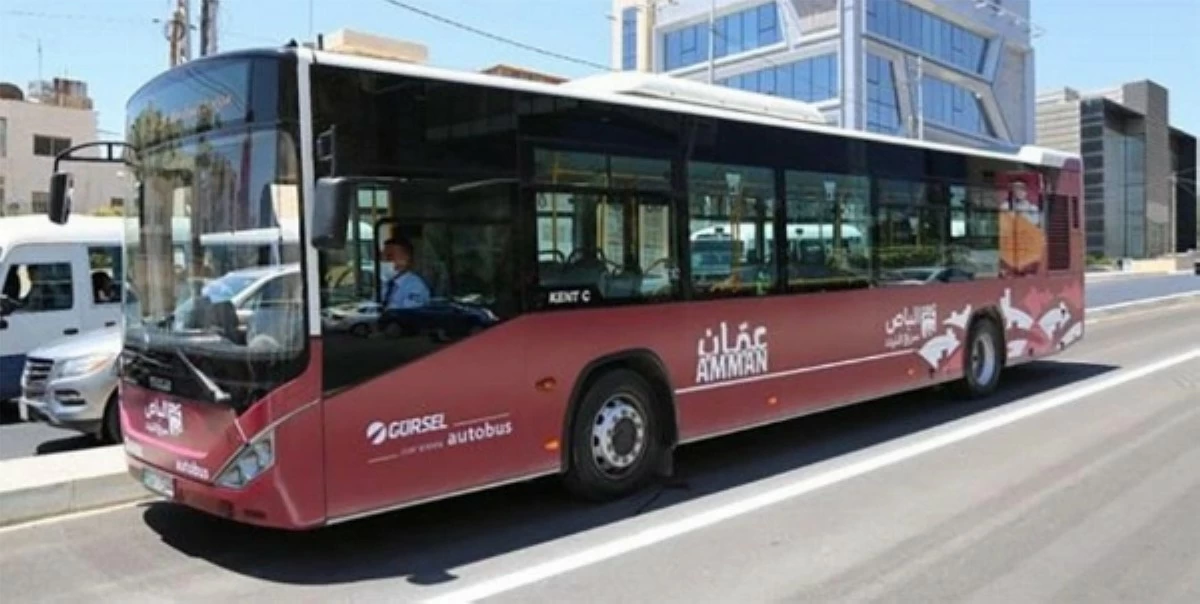
Land Transport Regulatory Commission (LTRC) Director-General Riyad Kharabsheh says that passenger transport network includes 5,202 public transport vehicles, 683 large buses, 3,529 medium buses, 990 shared fixed-route cars, and 90 Bus Rapid Transit (BRT) buses (JT file)

AMMAN — The government is preparing a major digital and regulatory overhaul of the land transport sector, including the rollout of 100 electronic services and plans to expand regulated intercity buses to 1,000 by 2027, Land Transport Regulatory Commission (LTRC) Director-General Riyad Kharabsheh said on Tuesday.

Kharabsheh said.

Speaking during the Government Communication Forum, Kharabsheh said that the reforms form part of wider efforts to modernise transport operations, strengthen regulation, and expand reliance on organised public mobility systems across the Kingdom.

Kharabsheh also said the sector transformation is aligned with the Economic Modernisation Vision, with a focus on improving service efficiency, increasing compliance, and enhancing passenger experience through structured planning and digital systems.

He said the commission is working on introducing around 100 electronic services, equally divided between passenger and freight transport, as part of a broader shift towards full digitisation of licensing, monitoring, and operational procedures.

Kharabsheh added that a series of draft regulations are currently under review at the Legislation and Opinion Bureau, covering key areas such as passenger transport operations, smart transport applications, rental services, taxi office licensing, ticketing systems, international transport, and the proposed Passenger Transport Support Fund, in addition to frameworks linked to the national railway project.

He also said the Passenger Transport Support Fund aims to institutionalise government support for public transport within a legal framework, replacing previous policy-based approaches with a more structured and sustainable system.

According to LTRC figures, Jordan’s transport sector, including freight and passenger services, comprises around 100,000 transport units.

Freight transport alone consists of 31,975 trucks, with individual ownership accounting for the majority of the fleet. Tractor units make up 60.7 per cent of freight vehicles, while cargo trucks represent 39.3 per cent.

In passenger transport, the network includes 5,202 public transport vehicles, 683 large buses, 3,529 medium buses, 990 shared fixed-route cars, and 90 Bus Rapid Transit (BRT) buses, operating across 1,950 routes, including 1,378 internal and 572 intercity lines. School transport services are operated by 27 companies using 2,413 vehicles.

Kharabsheh also said that five smart transport companies are currently operating in the Kingdom with around 15,000 registered drivers, while two additional companies are expected to receive licences after completing regulatory requirements. He added that approximately 4,000 drivers have joined the sector since the introduction of smart transport regulations.

He noted that the growing shift towards regulated digital platforms reflects increasing public demand for safer, more reliable transport services, supported by stronger enforcement and electronic integration between systems.

On freight transport, Kharabsheh said that only around 6,000 trucks reached external markets last year, highlighting the need for fleet modernisation and digital tracking systems to improve efficiency and expand access to regional trade routes. He added that tangible improvements are expected by the first half of 2027.

In infrastructure development, he announced a JD12 million transport hub project in Zarqa designed to integrate around 1,300 buses and serve up to 130,000 passengers daily by linking bus services with the Bus Rapid Transit network.

He also referred to ongoing plans for transport hubs in Al-Salt and initiatives to prioritise public transport at traffic signals through redesigned systems that give buses priority at intersections.

Intercity transport reforms have already introduced regulated services between Amman and several governorates, including Irbid, Karak, Jerash, and Salt, operated by around 150 buses using fixed schedules, electronic ticketing, and monitoring systems.

The government has also approved an additional 180 buses, with plans to expand the network to 1,000 buses by 2027.

Kharabsheh also said the transition to digital fare collection systems will be gradual, noting that installing electronic payment devices costs around JD3,000 per bus.

The Commission is also testing community-based transport models in underserved areas of Amman, including Abu Nseir, Shafa Badran, and Marj Al Hamam, to improve last-mile connectivity where commercial services are limited.

.col-lg-12.second .opinion-widget{border-top:1px solid #D0D0D0;} #widget_1623 .opinions-title {font-size:32px;} #widget_1623 .opinions-title a{font-size:32px;} .first-author{ background-color:#ecedef; } .first-opinion-author-name{ background-color:white; width:max-content; padding:5px; }
.epaper-separator{ height: 1px; width: 100%; background-color: #D0D0D0; margin: 15px 0; }

Today’s Paper

.related-articles .article-widget-sm .article-title{font-size:16px;-webkit-line-clamp:3;} .related-articles .layout-ratio{padding-bottom:55%;}
.alert-success { color :#A3656F ; } .alert-danger { color : red ; } .footer { font-family:Myriad Pro,Arial; } .newspaper-footer{ visibility:hidden; } .socialFixOuter { position: fixed; top: 50%; margin-top: 40px; right: 0; transition: .2s; z-index: 20; height: 217px; width: 40px; } .socialFix { height: 30px; width: 30px; display: block; position: relative; cursor: pointer; background-size: 18px 18px; transition: .2s; background-position: center; background-repeat: no-repeat; border-radius: 2px; margin-top: 1px; } .socialFix:hover { width: 40px; margin-left: -10px; } .app-badge-img { height: 36px; width: auto; } @media (max-width: 768px) { .app-badge-img { height: 32px; } .app-badges { justify-content: center !important; } }
document.addEventListener("DOMContentLoaded", function () { const socialFix = document.querySelector(".socialFixOuter"); if (!socialFix) return; let firstInteraction = false; let hideTimeout = null; function checkMobileScreen() { if (window.innerWidth < 768) { socialFix.style.display = "none"; } else { socialFix.style.display = "block"; } } checkMobileScreen(); window.addEventListener("resize", checkMobileScreen); function handleFirstInteraction() { if (firstInteraction) return; if (window.innerWidth < 768) return; firstInteraction = true; socialFix.style.right = "-25px"; } socialFix.addEventListener("mouseenter", function () { if (window.innerWidth < 768) return; if (hideTimeout) clearTimeout(hideTimeout); socialFix.style.right = "0"; }); socialFix.addEventListener("mouseleave", function () { if (window.innerWidth < 768) return; if (hideTimeout) clearTimeout(hideTimeout); hideTimeout = setTimeout(() => { socialFix.style.right = "-25px"; }, 500); }); ["click", "touchstart"].forEach((evt) => { socialFix.addEventListener(evt, handleFirstInteraction); }); }); function validateEmail(email) { if (email.length > 255) return false; const emailRegex = /^[a-zA-Z0-9._%+-]+@[a-zA-Z0-9.-]+\.[a-zA-Z]{2,}$/; if (!emailRegex.test(email)) return false; if (email.includes('..') || email.startsWith('.') || email.endsWith('.')) return false; return true; } function sanitizeInput(input) { input = input.replace(/<[^>]*>/g, ''); input = input.replace(/javascript:/gi, ''); input = input.replace(/on\w+\s*=/gi, ''); input = input.replace(/[<>"'&(){}[\]]/g, ''); return input.trim(); } document.addEventListener('DOMContentLoaded', function () { function showModal(message, type) { const messageContainer = document.getElementById("messageContainerFooter"); messageContainer.textContent = message; messageContainer.className = `alert alert-${type} mt-3`; messageContainer.classList.remove("d-none"); setTimeout(() => { messageContainer.classList.add("d-none"); }, 5000); } document.getElementById("emailFormFooter").addEventListener("submit", function(event) { event.preventDefault(); const emailInput = document.getElementById("emailFooter"); const email = sanitizeInput(emailInput.value.trim()); if (!validateEmail(email)) { showModal('Invalid email format', 'danger'); return; } const formData = new FormData(); formData.append('email', email); fetch('/subscribeNewsletter', { method: "POST", body: formData, headers: { "Accept": "application/json", "X-Requested-With": "XMLHttpRequest" } }) .then(response => { if (!response.ok) { showModal("Error submitting email. Try again.", 'danger'); } return response.json(); }) .then(data => { showModal(data.message, 'success'); }) .catch(error => { showModal("Error submitting email. Try again.", 'danger'); }); }); });