






 Share
Share


AMMAN — Minister of Labour Khaled Bakkar on Thursday issued a decision suspending the recruitment of non-Jordanian workers across all economic sectors and activities, effective June 1, as part of efforts to regulate labour market needs and prioritise employment opportunities for Jordanians.
The suspension also covers recruitment schemes linked to employment agreements for Jordanian workers, according to the Ministry of Labour.
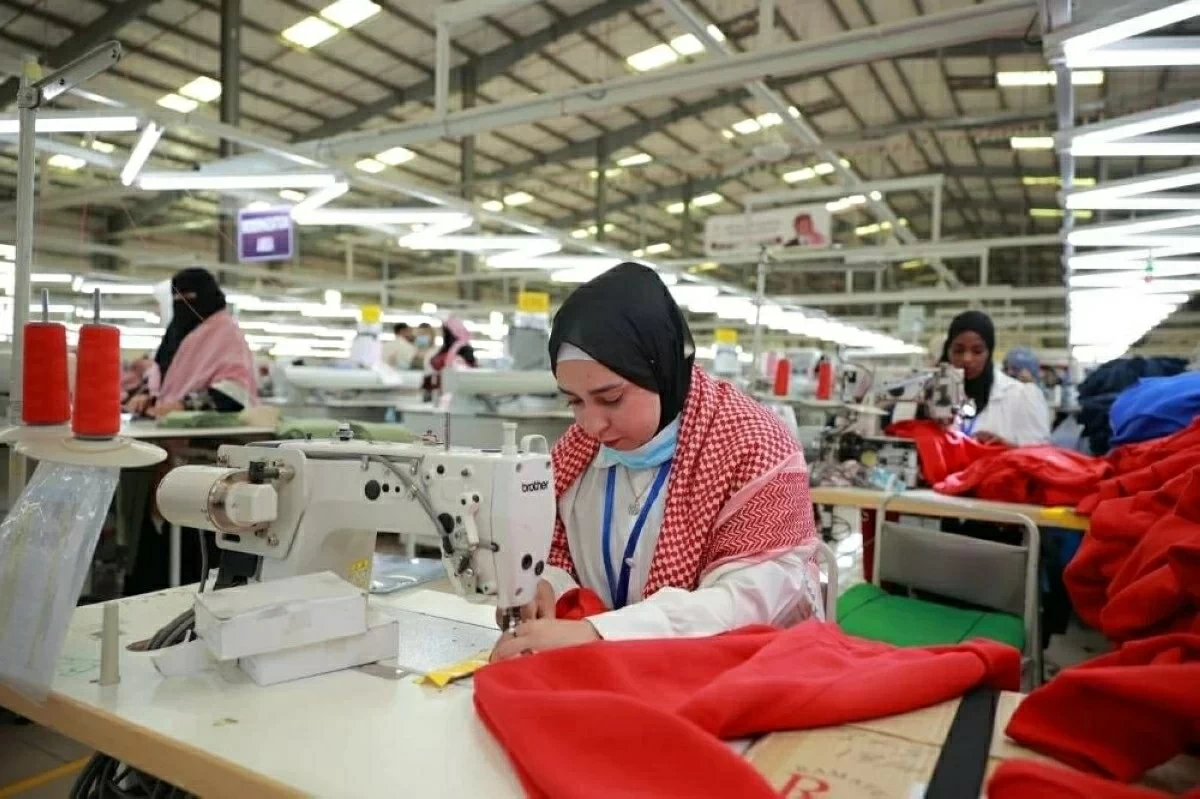
Several sectors and activities were exempted from the decision, including domestic workers and the garment and textile industry, as well as manufacturers of complementary production inputs operating or registered in development zones, Qualifying Industrial Zones (QIZs) and free zones. High-skilled professions requiring specialised expertise were also excluded from the suspension.
The ministry said that recruitment approvals issued before the decision took effect will continue to be processed in accordance with established procedures.
Ministry spokesperson Mohammad Zyoud said the measure follows an ongoing assessment of labour market requirements and employers’ needs.
In remarks to the Jordan News Agency, Petra, Zyoud explained that the ministry manages the recruitment of foreign workers based on labour market conditions, suspending recruitment when sectors achieve sufficient workforce levels and reopening it only when a clear shortage of non-Jordanian labour emerges.
He noted that the ministry seeks to prevent oversupply in the domestic labour market while ensuring that sectors with genuine workforce needs can continue to operate effectively.
“The ministry’s primary objective remains increasing the employment of Jordanians and linking job seekers with available opportunities,” Zyoud said.
He added that the ministry is implementing an integrated strategy in cooperation with the Vocational Training Corporation and the Development and Employment Fund (DEF), both chaired by the labour minister, to equip young people with skills aligned with evolving labour market demands and emerging professions.
The strategy is supported by DEF financing programmes that promote entrepreneurship and help women and youth establish independent businesses.
Zyoud said the fund also offers dedicated financing programmes for vocational training graduates, enabling them to launch small enterprises and create additional employment opportunities within their communities.
The overall unemployment rate in the Kingdom fell to 16.1 per cent in the first quarter of 2026, down 0.5 percentage points compared with the same period of 2025 and 2.3 percentage points compared with the first quarter of 2022, the Department of Statistics (DoS) said on Sunday.
The report showed that unemployment among Jordanian males stood at 17.9 per cent in the first quarter of 2026, a decrease of 0.7 percentage points year-on-year.
It added that unemployment among Jordanians overall (males and females) declined by 1.7 percentage points over the past four years compared with the first quarter of 2022, while the rate among Jordanian males has dropped by 6.3 percentage points since 2021.
Among Jordanians aged 24 and above, the unemployment rate reached 17.7 per cent in the first quarter of 2026, including 14.4 per cent for males and 29 per cent for females.
