


Gov't launches competency framework to modernise public sector workforce

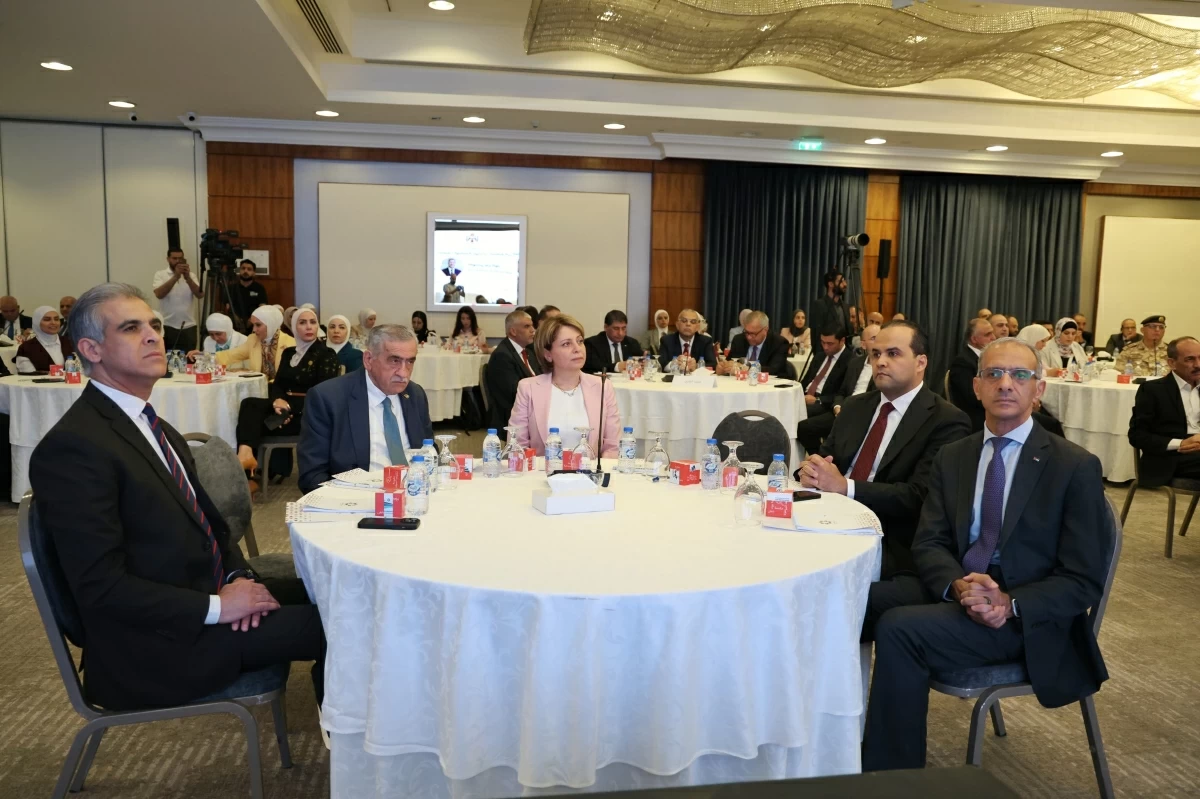
The government on Tuesday launches the Competency Framework for Standard Job Units in the Public Sector, a key initiative under the Public Sector Modernisation Roadmap aimed at shifting government human resources management towards a competency-based approach (Photo by Ahmad Khleifat)

New system shifts HR management towards skills-based approach


AMMAN — The government on Tuesday launched the Competency Framework for Standard Job Units in the Public Sector, a key initiative under the Public Sector Modernisation Roadmap aimed at shifting government human resources management towards a competency-based approach.

The framework, developed by the Public Service and Administration Commission (SPAC) with support from local experts and specialists, establishes unified national standards for the knowledge, skills and behaviours required for common government positions.

Minister of State for Public Sector Development Badriya Balbeisi said that the initiative represents a major step in the modernisation process by placing human capital at the centre of government reform efforts and recognising employees as the main drivers of institutional development.

She said that creating a more efficient, flexible and future-ready public sector cannot be achieved solely through legislation, digital transformation or technological solutions, but requires investment in employees’ capabilities and continuous development.

Balbeisi said the framework reflects a transition from traditional human resources practices, which have largely focused on academic qualifications and years of experience, towards a system that assesses and develops employees based on the competencies required for their roles.

The minister said the framework provides a national reference for government institutions by defining the competencies required for different job functions and supporting a wide range of human resources processes.

These include recruitment and selection, developing job descriptions, assessing employee competencies, identifying skills gaps and designing targeted training and professional development programmes.

Balbeisi said the government is working in parallel to develop tools that will ensure the framework’s effective implementation, including competency assessment methods based on knowledge tests, simulations and practical case studies.

She added that competencies will be linked to structured learning pathways and training programmes to ensure that professional development addresses actual performance needs and prepares employees for future workplace requirements.

President of SPAC Faiz Nahar said that the success of the framework will depend on its practical implementation and its ability to translate competency standards into measurable improvements in institutional performance.

He said competency-based human resources management is among the key reform priorities under the second executive programme of the Public Sector Modernisation Roadmap (2026–2029), as it supports more effective recruitment, evaluation and professional development processes.

Nahar said that establishing a comprehensive national competency system has become increasingly important amid rapid global changes, particularly in areas related to digital transformation, artificial intelligence and future skills.

He added that SPAC has worked on developing modern competency frameworks, reliable assessment tools and measurable indicators to support the application of the new approach.

.col-lg-12.second .opinion-widget{border-top:1px solid #D0D0D0;} #widget_1623 .opinions-title {font-size:32px;} #widget_1623 .opinions-title a{font-size:32px;} .first-author{ background-color:#ecedef; } .first-opinion-author-name{ background-color:white; width:max-content; padding:5px; }
.epaper-separator{ height: 1px; width: 100%; background-color: #D0D0D0; margin: 15px 0; }

Today’s Paper

.related-articles .article-widget-sm .article-title{font-size:16px;-webkit-line-clamp:3;} .related-articles .layout-ratio{padding-bottom:55%;}
.alert-success { color :#A3656F ; } .alert-danger { color : red ; } .footer { font-family:Myriad Pro,Arial; } .newspaper-footer{ visibility:hidden; } .socialFixOuter { position: fixed; top: 50%; margin-top: 40px; right: 0; transition: .2s; z-index: 20; height: 217px; width: 40px; } .socialFix { height: 30px; width: 30px; display: block; position: relative; cursor: pointer; background-size: 18px 18px; transition: .2s; background-position: center; background-repeat: no-repeat; border-radius: 2px; margin-top: 1px; } .socialFix:hover { width: 40px; margin-left: -10px; } .app-badge-img { height: 36px; width: auto; } @media (max-width: 768px) { .app-badge-img { height: 32px; } .app-badges { justify-content: center !important; } }
document.addEventListener("DOMContentLoaded", function () { const socialFix = document.querySelector(".socialFixOuter"); if (!socialFix) return; let firstInteraction = false; let hideTimeout = null; function checkMobileScreen() { if (window.innerWidth < 768) { socialFix.style.display = "none"; } else { socialFix.style.display = "block"; } } checkMobileScreen(); window.addEventListener("resize", checkMobileScreen); function handleFirstInteraction() { if (firstInteraction) return; if (window.innerWidth < 768) return; firstInteraction = true; socialFix.style.right = "-25px"; } socialFix.addEventListener("mouseenter", function () { if (window.innerWidth < 768) return; if (hideTimeout) clearTimeout(hideTimeout); socialFix.style.right = "0"; }); socialFix.addEventListener("mouseleave", function () { if (window.innerWidth < 768) return; if (hideTimeout) clearTimeout(hideTimeout); hideTimeout = setTimeout(() => { socialFix.style.right = "-25px"; }, 500); }); ["click", "touchstart"].forEach((evt) => { socialFix.addEventListener(evt, handleFirstInteraction); }); }); function validateEmail(email) { if (email.length > 255) return false; const emailRegex = /^[a-zA-Z0-9._%+-]+@[a-zA-Z0-9.-]+\.[a-zA-Z]{2,}$/; if (!emailRegex.test(email)) return false; if (email.includes('..') || email.startsWith('.') || email.endsWith('.')) return false; return true; } function sanitizeInput(input) { input = input.replace(/<[^>]*>/g, ''); input = input.replace(/javascript:/gi, ''); input = input.replace(/on\w+\s*=/gi, ''); input = input.replace(/[<>"'&(){}[\]]/g, ''); return input.trim(); } document.addEventListener('DOMContentLoaded', function () { function showModal(message, type) { const messageContainer = document.getElementById("messageContainerFooter"); messageContainer.textContent = message; messageContainer.className = `alert alert-${type} mt-3`; messageContainer.classList.remove("d-none"); setTimeout(() => { messageContainer.classList.add("d-none"); }, 5000); } document.getElementById("emailFormFooter").addEventListener("submit", function(event) { event.preventDefault(); const emailInput = document.getElementById("emailFooter"); const email = sanitizeInput(emailInput.value.trim()); if (!validateEmail(email)) { showModal('Invalid email format', 'danger'); return; } const formData = new FormData(); formData.append('email', email); fetch('/subscribeNewsletter', { method: "POST", body: formData, headers: { "Accept": "application/json", "X-Requested-With": "XMLHttpRequest" } }) .then(response => { if (!response.ok) { showModal("Error submitting email. Try again.", 'danger'); } return response.json(); }) .then(data => { showModal(data.message, 'success'); }) .catch(error => { showModal("Error submitting email. Try again.", 'danger'); }); }); });