


ESCWA says Jordan faces region’s heaviest crisis-related financial burden

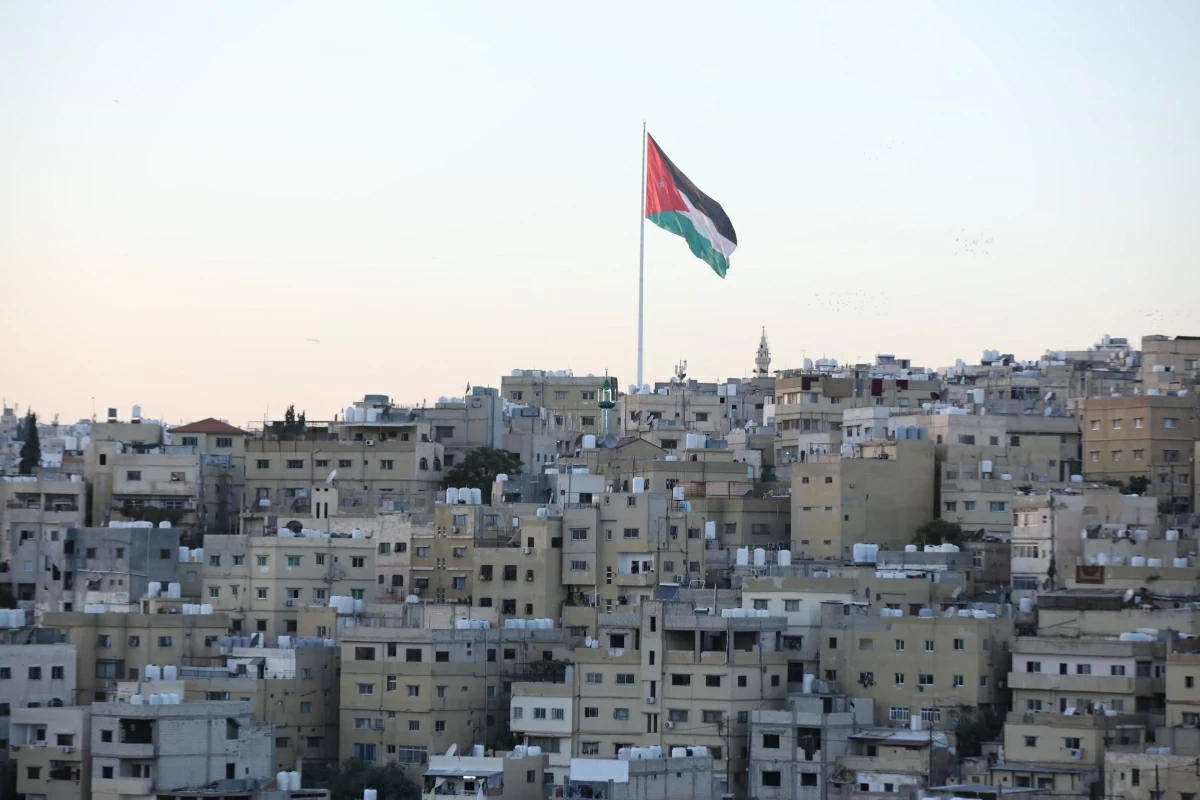
According to a report by ESCWA, the estimated additional financial cost for Jordan due to the regional conflict amounts to 0.691 per cent of its gross domestic product (File photo)

AMMAN — Jordan is bearing the "highest additional financial cost" among Arab nations relative to the size of its economy to mitigate the economic and social repercussions of the ongoing regional conflict, UN estimates showed.

The government has stressed it continues to absorb a “significant” portion of energy costs and implement precautionary measures to maintain price stability and secure citizen needs, Al Mamlaka TV reported.

According to a report by the United Nations Economic and Social Commission for Western Asia (ESCWA), the estimated additional financial cost for Jordan amounts to approximately 0.691 per cent of its gross domestic product (GDP).

This represents the highest ratio among Arab states, driven by national efforts to curb rising poverty rates and preserve household purchasing power.

The report noted that Jordan has taken several measures to cushion the impact of the crisis, including lowering flour and wheat prices to offset the effects of rising fuel costs, freezing gas prices, and implementing gradual oil price increases to limit the impact on citizens' purchasing power.

Prime Minister Jafar Hassan had stressed that the government has not fully reflected the global spike in fuel prices onto the local market to protect citizens and the economy from the fallout of the war, noting that additional monthly costs in the energy and electricity generation sectors have exceeded JD150 million.

In the same context, Energy and Mineral Resources Minister Saleh Kharabsheh said that disruptions in gas supplies forced Jordan to operate power plants using alternative fuel at an additional cost of nearly JD3 million per day, totalling around JD100 million in a single month.

The government has kept electricity tariffs unchanged, absorbing a “major” share of the financial burdens resulting from the crisis.

Government interventions have extended beyond the energy sector to bolstering the strategic stockpile of basic commodities to ensure supply continuity and market stability.

Industry, Trade and Supply Minister Yarub Qudah said that the Kingdom’s current wheat reserves are sufficient for six months, rising to nearly ten months when including contracted quantities, reassuring the public that supply chains remain intact and there is no justification for panic buying.

Amid rising energy, transport, and supply costs, the government has also introduced public spending austerity measures, including limiting the travel of official delegations and cutting government expenditures in an effort to contain financial pressures without compromising essential public services.

ESCWA estimates indicate that Jordan faces the heaviest additional financial burden in the Arab region to contain the social impacts of the crisis.

It added that government measures demonstrate that this burden has translated into directly absorbing costs in the energy sector, maintaining stable electricity and fuel prices, and enhancing food security to prevent the repercussions of the crisis from impacting citizens' daily lives.

.col-lg-12.second .opinion-widget{border-top:1px solid #D0D0D0;} #widget_1623 .opinions-title {font-size:32px;} #widget_1623 .opinions-title a{font-size:32px;} .first-author{ background-color:#ecedef; } .first-opinion-author-name{ background-color:white; width:max-content; padding:5px; }
.epaper-separator{ height: 1px; width: 100%; background-color: #D0D0D0; margin: 15px 0; }

Today’s Paper

.related-articles .article-widget-sm .article-title{font-size:16px;-webkit-line-clamp:3;} .related-articles .layout-ratio{padding-bottom:55%;}
.alert-success { color :#A3656F ; } .alert-danger { color : red ; } .footer { font-family:Myriad Pro,Arial; } .newspaper-footer{ visibility:hidden; } .socialFixOuter { position: fixed; top: 50%; margin-top: 40px; right: 0; transition: .2s; z-index: 20; height: 217px; width: 40px; } .socialFix { height: 30px; width: 30px; display: block; position: relative; cursor: pointer; background-size: 18px 18px; transition: .2s; background-position: center; background-repeat: no-repeat; border-radius: 2px; margin-top: 1px; } .socialFix:hover { width: 40px; margin-left: -10px; } .app-badge-img { height: 36px; width: auto; } @media (max-width: 768px) { .app-badge-img { height: 32px; } .app-badges { justify-content: center !important; } }
document.addEventListener("DOMContentLoaded", function () { const socialFix = document.querySelector(".socialFixOuter"); if (!socialFix) return; let firstInteraction = false; let hideTimeout = null; function checkMobileScreen() { if (window.innerWidth < 768) { socialFix.style.display = "none"; } else { socialFix.style.display = "block"; } } checkMobileScreen(); window.addEventListener("resize", checkMobileScreen); function handleFirstInteraction() { if (firstInteraction) return; if (window.innerWidth < 768) return; firstInteraction = true; socialFix.style.right = "-25px"; } socialFix.addEventListener("mouseenter", function () { if (window.innerWidth < 768) return; if (hideTimeout) clearTimeout(hideTimeout); socialFix.style.right = "0"; }); socialFix.addEventListener("mouseleave", function () { if (window.innerWidth < 768) return; if (hideTimeout) clearTimeout(hideTimeout); hideTimeout = setTimeout(() => { socialFix.style.right = "-25px"; }, 500); }); ["click", "touchstart"].forEach((evt) => { socialFix.addEventListener(evt, handleFirstInteraction); }); }); function validateEmail(email) { if (email.length > 255) return false; const emailRegex = /^[a-zA-Z0-9._%+-]+@[a-zA-Z0-9.-]+\.[a-zA-Z]{2,}$/; if (!emailRegex.test(email)) return false; if (email.includes('..') || email.startsWith('.') || email.endsWith('.')) return false; return true; } function sanitizeInput(input) { input = input.replace(/<[^>]*>/g, ''); input = input.replace(/javascript:/gi, ''); input = input.replace(/on\w+\s*=/gi, ''); input = input.replace(/[<>"'&(){}[\]]/g, ''); return input.trim(); } document.addEventListener('DOMContentLoaded', function () { function showModal(message, type) { const messageContainer = document.getElementById("messageContainerFooter"); messageContainer.textContent = message; messageContainer.className = `alert alert-${type} mt-3`; messageContainer.classList.remove("d-none"); setTimeout(() => { messageContainer.classList.add("d-none"); }, 5000); } document.getElementById("emailFormFooter").addEventListener("submit", function(event) { event.preventDefault(); const emailInput = document.getElementById("emailFooter"); const email = sanitizeInput(emailInput.value.trim()); if (!validateEmail(email)) { showModal('Invalid email format', 'danger'); return; } const formData = new FormData(); formData.append('email', email); fetch('/subscribeNewsletter', { method: "POST", body: formData, headers: { "Accept": "application/json", "X-Requested-With": "XMLHttpRequest" } }) .then(response => { if (!response.ok) { showModal("Error submitting email. Try again.", 'danger'); } return response.json(); }) .then(data => { showModal(data.message, 'success'); }) .catch(error => { showModal("Error submitting email. Try again.", 'danger'); }); }); });