


Early Islamic mosaics blend classical, emerging artistic traditions

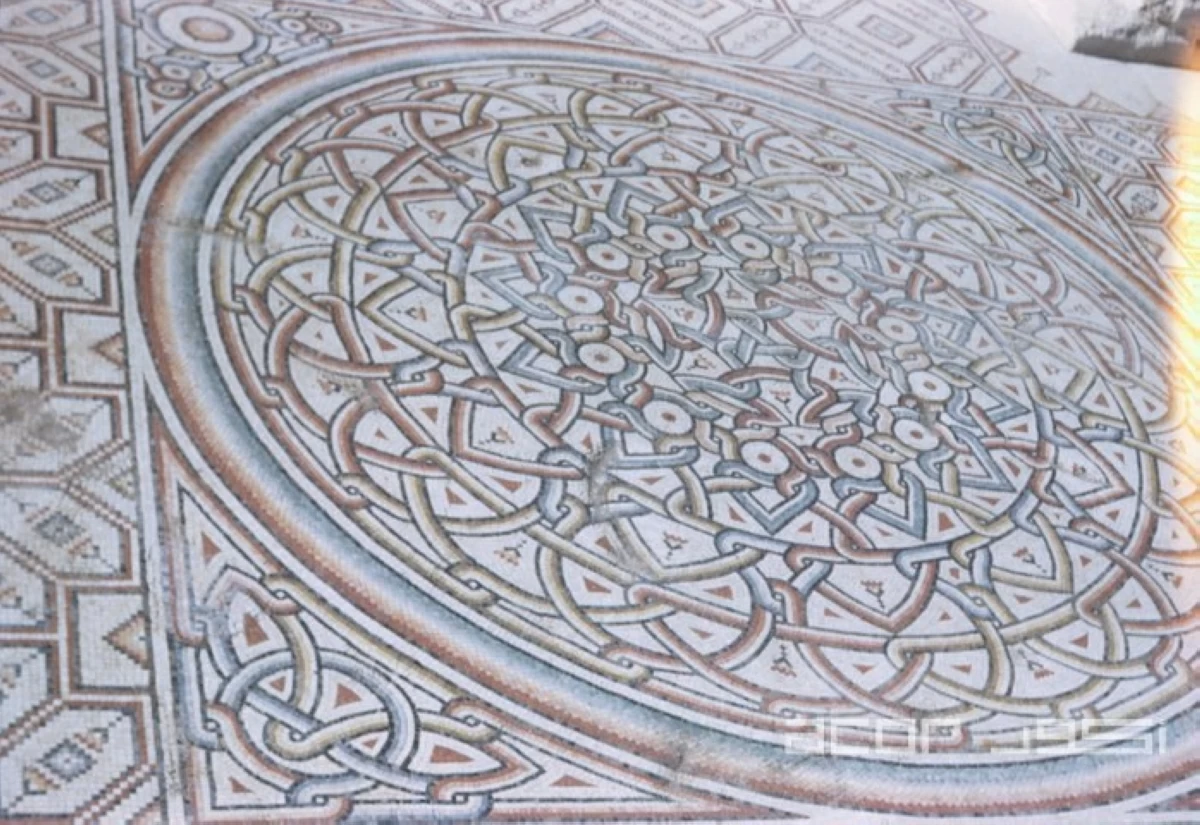
A mosaic floor at Hisham Palace in Jericho (Photo courtesy of ACOR)

AMMAN — Early Islamic mosaics are the mix between Classical antiquity and an emerging Islamic aesthetic. This art form adapted Byzantine and Sasanian techniques to create a unique visual language characterised by intricate geometric patterns, vegetal motifs and early calligraphy.

Some characteristics of the Early Islamic art are aniconism, materiality and symbolism.

Examples of such mosaics can be seen in Jerusalem and Damascus, in the monumental Dome of the Rock (691 AD), Umayyad Mosque (715AD) and Hisham Palace in Jericho (8th century AD).

A methodological question needs to be dealt with. Almost all the surviving mosaics from the pre-Islamic eastern Mediterranean are on floors, made mostly with stone tesserae, said a British art historian.

Floor mosaics were certainly commissioned in the early Islamic period, the examples I will be using here are on walls, and made mostly with glass tesserae," said Beatrice Leal from University of Oxford.

"Firstly, the materials were not completely segregated. Many wall mosaics, including those in the Great Mosque of Damascus, use stone tesserae for pink, red and white. Some floor mosaics, both in the Byzantine and early Islamic period, included glass tesserae to highlight certain features," Leal noted.

This suggests that floor and wall mosaicists were supplied from the same sources, and probably also that they were equally skilled in cutting tesserae from the two materials.

"Second, many of the buildings that had floor mosaics also had wall mosaics. The upper walls have gone from most of the churches in which mosaic floors have been excavated, so the decoration of their apses has been lost," Leal continued.

But both from archaeological finds of loose glass tesserae, and from written references, scholars know that apse mosaics were common across the Byzantine world.

Floor and wall mosaicists therefore depended on the same patrons for their living, and may also have been on-site at the same time.

"Thirdly, the skills needed for the two media are almost identical: Chipping tesserae into shape, mixing and laying plaster, and composing the designs. Which leads to the fourth point, that there was substantial crossover in motifs between floor and wall mosaics," Leal underlined.

The navefloor of St Stephen’s at Umm Al Rasas in Jordan was laid in 718-19 AD about three years after the Great Mosque was completed.

It depicts cities and buildings along a river, as well as trees and acanthus scrolls, as do the wall mosaics in the mosque. The motifs on the church floor are simpler.

But various details — such as roofs depicted as parallelograms sticking out from tower walls, or U-shaped acanthus leaves with lines of black tesserae inset around the curve, or trees with solid areas of dark tesserae surrounding and separating the lighter leaves — are shared.

"In the mid-tenth-century Al Masudi wrote that “mosaic is a thing made from glass and delightful coloured stones”; the distinction between glass and stone mosaic was not necessarily fixed," Leal underscored.

Late antique and early Islamic mosaics do not differ sharply in appearance, on the contrary, we can notice similarities in styles that emphasise the gradual shift in visual art.

.col-lg-12.second .opinion-widget{border-top:1px solid #D0D0D0;} #widget_1623 .opinions-title {font-size:32px;} #widget_1623 .opinions-title a{font-size:32px;} .first-author{ background-color:#ecedef; } .first-opinion-author-name{ background-color:white; width:max-content; padding:5px; }
.epaper-separator{ height: 1px; width: 100%; background-color: #D0D0D0; margin: 15px 0; }

Today’s Paper

.related-articles .article-widget-sm .article-title{font-size:16px;-webkit-line-clamp:3;} .related-articles .layout-ratio{padding-bottom:55%;}
.alert-success { color :#A3656F ; } .alert-danger { color : red ; } .footer { font-family:Myriad Pro,Arial; } .newspaper-footer{ visibility:hidden; } .socialFixOuter { position: fixed; top: 50%; margin-top: 40px; right: 0; transition: .2s; z-index: 20; height: 217px; width: 40px; } .socialFix { height: 30px; width: 30px; display: block; position: relative; cursor: pointer; background-size: 18px 18px; transition: .2s; background-position: center; background-repeat: no-repeat; border-radius: 2px; margin-top: 1px; } .socialFix:hover { width: 40px; margin-left: -10px; } .app-badge-img { height: 36px; width: auto; } @media (max-width: 768px) { .app-badge-img { height: 32px; } .app-badges { justify-content: center !important; } }
document.addEventListener("DOMContentLoaded", function () { const socialFix = document.querySelector(".socialFixOuter"); if (!socialFix) return; let firstInteraction = false; let hideTimeout = null; function checkMobileScreen() { if (window.innerWidth < 768) { socialFix.style.display = "none"; } else { socialFix.style.display = "block"; } } checkMobileScreen(); window.addEventListener("resize", checkMobileScreen); function handleFirstInteraction() { if (firstInteraction) return; if (window.innerWidth < 768) return; firstInteraction = true; socialFix.style.right = "-25px"; } socialFix.addEventListener("mouseenter", function () { if (window.innerWidth < 768) return; if (hideTimeout) clearTimeout(hideTimeout); socialFix.style.right = "0"; }); socialFix.addEventListener("mouseleave", function () { if (window.innerWidth < 768) return; if (hideTimeout) clearTimeout(hideTimeout); hideTimeout = setTimeout(() => { socialFix.style.right = "-25px"; }, 500); }); ["click", "touchstart"].forEach((evt) => { socialFix.addEventListener(evt, handleFirstInteraction); }); }); function validateEmail(email) { if (email.length > 255) return false; const emailRegex = /^[a-zA-Z0-9._%+-]+@[a-zA-Z0-9.-]+\.[a-zA-Z]{2,}$/; if (!emailRegex.test(email)) return false; if (email.includes('..') || email.startsWith('.') || email.endsWith('.')) return false; return true; } function sanitizeInput(input) { input = input.replace(/<[^>]*>/g, ''); input = input.replace(/javascript:/gi, ''); input = input.replace(/on\w+\s*=/gi, ''); input = input.replace(/[<>"'&(){}[\]]/g, ''); return input.trim(); } document.addEventListener('DOMContentLoaded', function () { function showModal(message, type) { const messageContainer = document.getElementById("messageContainerFooter"); messageContainer.textContent = message; messageContainer.className = `alert alert-${type} mt-3`; messageContainer.classList.remove("d-none"); setTimeout(() => { messageContainer.classList.add("d-none"); }, 5000); } document.getElementById("emailFormFooter").addEventListener("submit", function(event) { event.preventDefault(); const emailInput = document.getElementById("emailFooter"); const email = sanitizeInput(emailInput.value.trim()); if (!validateEmail(email)) { showModal('Invalid email format', 'danger'); return; } const formData = new FormData(); formData.append('email', email); fetch('/subscribeNewsletter', { method: "POST", body: formData, headers: { "Accept": "application/json", "X-Requested-With": "XMLHttpRequest" } }) .then(response => { if (!response.ok) { showModal("Error submitting email. Try again.", 'danger'); } return response.json(); }) .then(data => { showModal(data.message, 'success'); }) .catch(error => { showModal("Error submitting email. Try again.", 'danger'); }); }); });