






 Share Story


AMMAN — A sense of gloom hangs over Jordan’s olive groves. The harvest season, typically a moment of national abundance and cultural celebration, has instead delivered a grim message: the relentless pressures of climate change and chronic water scarcity are now directly imperilling the Kingdom's most iconic and valuable agricultural commodity, the olive. This year’s crop has revealed a profound and troubling truth: the traditional rain-fed agriculture that sustains thousands of families is buckling under the new normal of erratic weather.
The scale of the crisis is immediate and economic. Following a record high olive oil production of 35,828 tonnes in the 2024/2025 season, the latest harvest is projected by the Ministry of Agriculture to plummet to a meagre 17,000–18,000 tonnes. Against an official average domestic consumption figure of 28,000 tonnes, this dramatic shortfall creates a critical deficit of approximately 10,000 tonnes, a gap the Ministry is now scrambling to fill through controlled imports.
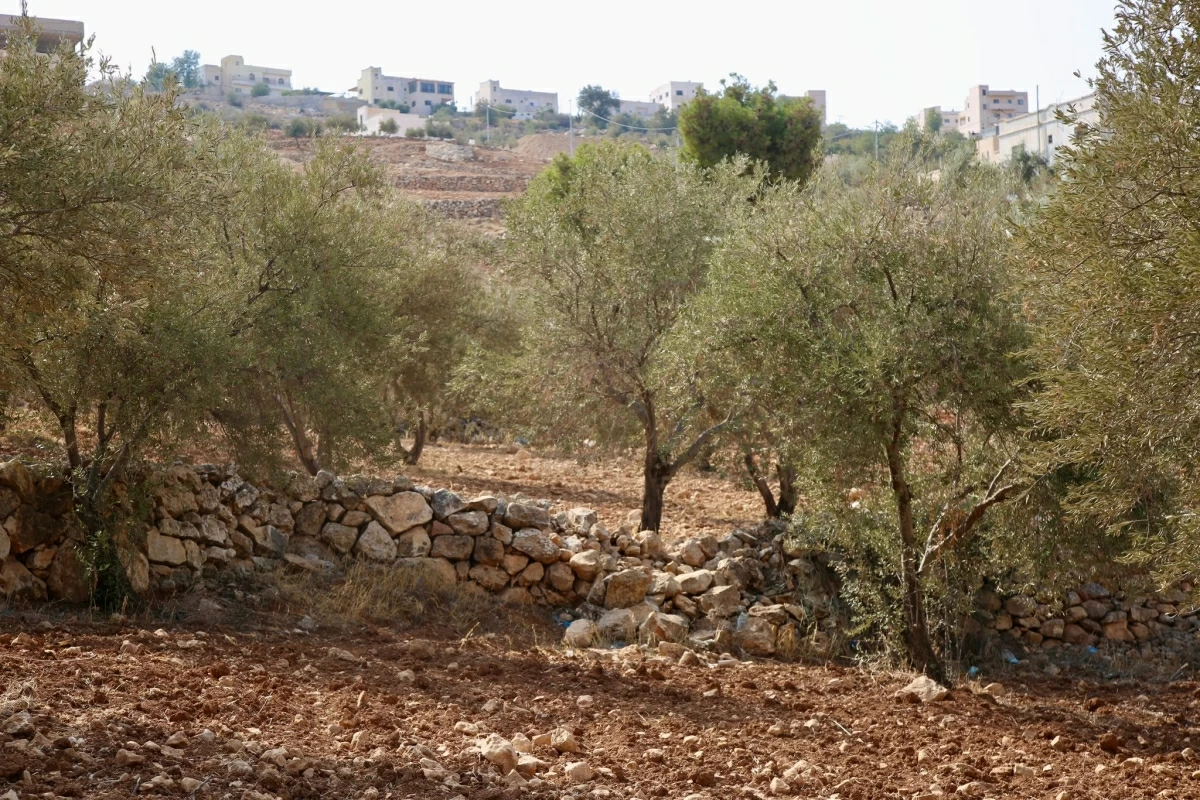
The decline in output is directly attributed to the harsh, unseasonal weather that has gripped the region. Jordan's olive trees, which cover 20 per cent of its agricultural land and include some of the oldest cultivated varieties in the world, rely heavily on seasonal rainfall, yet the vital winter rains failed to materialise adequately.
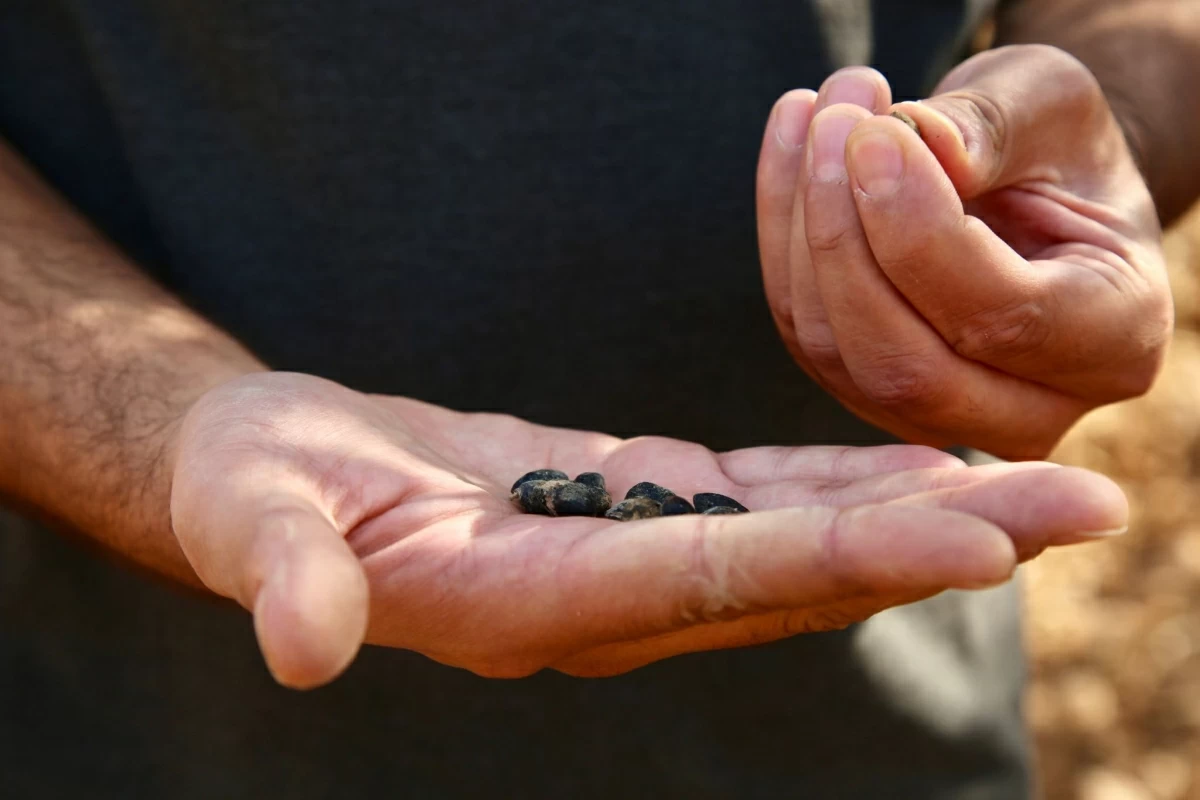
The oil content of the olives themselves has been decimated. Khallaf Khawaldeh, a veteran farmer in Jerash, described the result to The Jordan Times: “This year, rainfall was scarce, so was the olive season because it did not produce a full yield.”
He works alongside his family, including his nephew Abdallah Khawaldeh, an environmental expert and executive director of the REEF Institute for Environmental Development. “There is no oil [and] this is due to many reasons, all of which are linked to climate change. The idea is that the frost came during the stage of budding and flowering, preventing any fruit from forming on the trees in the first place,” he told The Jordan Times. The failure of the winter rains, which are essential for bud formation, followed by sudden spring frost and subsequent heatwaves that scorched the delicate blossoms, has sharply curtailed the yield across the predominantly rain-fed groves.
This climatic shock hits a sector already operating under extreme stress. Jordan is one of the world’s most water-scarce nations, a vulnerability that makes rain failure instantly catastrophic. The agricultural sector, despite contributing only about 5 per cent to the national GDP, consumes more than 50 per cent of the country's precious freshwater resources. This structural inefficiency means that every failed rainy season translates into immense and irreversible economic damage across the heartlands.
The Ministry of Water and Irrigation’s National Water Strategy 2023–2040 is attempting to address this with a focus on Integrated Water Resource Management, but for thousands of farmers, the crisis is already here.
The failure of the olive season has ripped a hole in the social fabric of rural communities. The income generated from the annual harvest is not merely supplementary; it is the financial backbone for many families.
“The season covers some of their expenses during the year. If they [the farmers] have some surgery, we leave it to the season. If you have children in university or schools, they leave the payment for the season. If you want to get his son married, you leave it after the season. This year, they have nothing,” Fayyad Al Zoued, Chairman of the Jordan Olive Products Exporters Association (JOPEA), told the Jordan Times.
He added that the ban on green olive exports and the initial decision to permit the import of around 4,000 tonnes of oil are measures intended to protect both the consumer from soaring prices and the sector's integrity from collapse.
Khallaf concluded his personal reflection on the changing traditions: “The farmer’s whole family used to rally during the harvest, picking the crops by themselves and the farmer would bring home a good yield for his family.” This year, the family gathering will be tinged with the anxiety of debt, not the joy of prosperity.
The solution, experts argue, lies in an aggressive and swift transition to climate-smart agricultural practices. The resilience observed in irrigated olive groves—which have performed significantly better than their rain-fed counterparts—underscores the need for widespread reform.
“We have to use the latest technology for saving water and production,” said Al Zoued. The National Agricultural Research Centre (NARC) is advocating for technologies that enhance water productivity, including widespread drip irrigation, rainwater harvesting, and soil mulching to retain scarce moisture. Initiatives are also underway to utilise satellite data (like FAO's WaPOR tool) to measure crop water use efficiency on the ground, helping farmers make informed decisions about when and how much to irrigate .
The struggle for Jordan's 'green gold' is a microcosm of the larger battle for water security and climate resilience in a highly stressed region. Supporting this vital sector means not just protecting a market, but preserving a way of life that defines Jordan's rural heritage.
