


Azraq Basin study reveals ancient wetlands, rich prehistoric human activity

Aerial view from the north of Azraq Wetland Reserve

(Photo courtesy of ACOR)
Aerial view from the north of Azraq Wetland Reserve (Photo courtesy of ACOR)

AMMAN — The Azraq Basin is a large hydrological drainage system that extends 12,000 square kilometres. It extends through much of eastern Jordan, from the Syrian highlands of Jebel Druze in the north, at an elevation of over 1,000 metres above sea level, to the Wadi Sirhan Depression in northern Saudi Arabia to the south.

To the east and west, its borders are less well-defined, but include expanses of the Black Desert.

Through a series of wadis, playas and underground spring and aquifer systems, surface and ground water within this vast area drains into the central Azraq Oasis, a wetland and playa (approximately 500 metres above sea level).

“As water moves from the far reaches of the basin towards the oasis, the boundary between underlying limestone bedrock and the overlying comparatively impermeable basalt traps water in an extensive network of underground aquifers that feed the two main springs in the central wetlands, Ayn Soda and Ayn Qasiyya,” said Lisa Maher from The University of California, Berkeley.

Many of these springs are dry now due to pumping of groundwater for irrigation and drinking water.

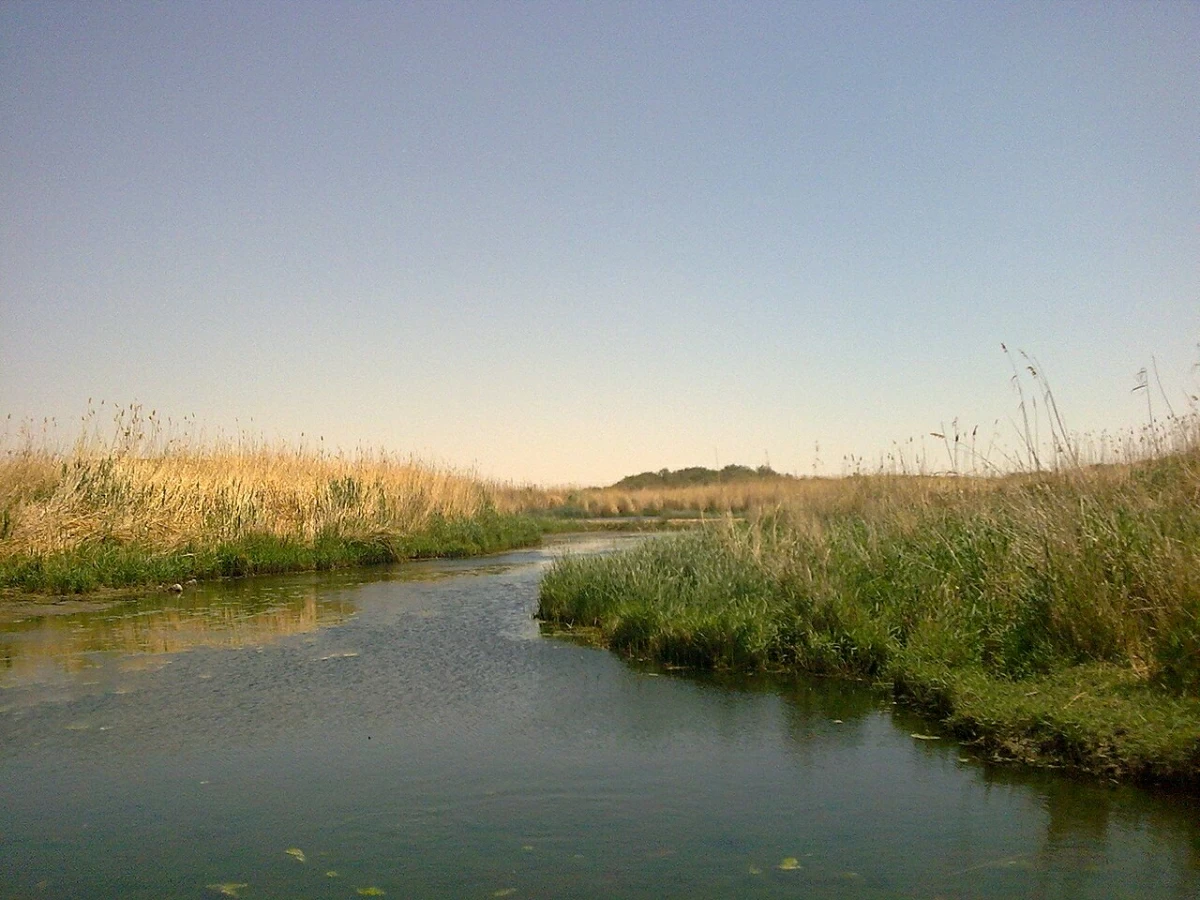
These springs once supplied a lush marsh in the southern part of the oasis, while surface runoff created a large seasonal lake or playa in the north, connected to each other by a network of streams and rivers that have all disappeared over the last few decades.

From its outer extent to the central oasis, the Azraq Basin includes a wide range of microhabitats, ranging from extreme desert to permanently watered oasis and the local flora and fauna reflect this diversity, Maher said.

She added that although modern industrial-scale use of the Azraq water resources has caused extensive depletion, geoarchaeological studies suggest that a wetland, of one sort or another, was present in the Azraq Oasis for much of prehistory.

“This oasis served as an important and verdant locale for both local and migratory animal populations and, importantly for our purposes, local and migrating human populations.”

“Sites dating to a range of prehistoric an historic periods, from the Middle Palaeolithic onwards, are found throughout the oasis and the entire basin,” Maher said.

The basin exhibited a relatively positive water balance through the Late Pleistocene. Geoarchaeological investigations in several wadi systems and playas document prehistoric sites throughout the entire basin, in some cases in high concentrations, the scholar continued.

Previous archaeological research supports a lusher environment than today, noting a high density of Palaeolithic, EP and Neolithic sites, including some of the largest hunter-gatherer sites in the region.

“In particular, investigation of a series of sites in the Wadi Jilat offers a high-resolution record of prehistoric occupation and, notably, identified another large EP aggregation site named Jilat 6,” Maher said.

Detailed analyses of various aspects of the archaeobotanical assemblage are currently in progress by specialists and as the subject of several doctoral dissertation projects, she said, adding that most of the archaeobotanical remains are in the form of charcoal, excellently preserved in abundance in the dry desert climate.

A preliminary identification of several samples from Early EP levels sent for radiocarbon dating indicates the presence of tamarisk, chenopods, and a variety of grasses.

“Examination of the seed assemblage suggests a variety of other subsistence and non-subsistence species,” Maher said, noting that the picture “we are beginning to put together from the archaeobotanical remains is that of an open, but rich wetland and grassland environment.”

.col-lg-12.second .opinion-widget{border-top:1px solid #D0D0D0;} #widget_1623 .opinions-title {font-size:32px;} #widget_1623 .opinions-title a{font-size:32px;} .first-author{ background-color:#ecedef; } .first-opinion-author-name{ background-color:white; width:max-content; padding:5px; }
.epaper-separator{ height: 1px; width: 100%; background-color: #D0D0D0; margin: 15px 0; }

Today’s Paper

.related-articles .article-widget-sm .article-title{font-size:16px;-webkit-line-clamp:3;} .related-articles .layout-ratio{padding-bottom:55%;}
.alert-success { color :#A3656F ; } .alert-danger { color : red ; } .footer { font-family:Myriad Pro,Arial; } .newspaper-footer{ visibility:hidden; } .socialFixOuter { position: fixed; top: 50%; margin-top: 40px; right: 0; transition: .2s; z-index: 20; height: 217px; width: 40px; } .socialFix { height: 30px; width: 30px; display: block; position: relative; cursor: pointer; background-size: 18px 18px; transition: .2s; background-position: center; background-repeat: no-repeat; border-radius: 2px; margin-top: 1px; } .socialFix:hover { width: 40px; margin-left: -10px; } .app-badge-img { height: 36px; width: auto; } @media (max-width: 768px) { .app-badge-img { height: 32px; } .app-badges { justify-content: center !important; } }
document.addEventListener("DOMContentLoaded", function () { const socialFix = document.querySelector(".socialFixOuter"); if (!socialFix) return; let firstInteraction = false; let hideTimeout = null; function checkMobileScreen() { if (window.innerWidth < 768) { socialFix.style.display = "none"; } else { socialFix.style.display = "block"; } } checkMobileScreen(); window.addEventListener("resize", checkMobileScreen); function handleFirstInteraction() { if (firstInteraction) return; if (window.innerWidth < 768) return; firstInteraction = true; socialFix.style.right = "-25px"; } socialFix.addEventListener("mouseenter", function () { if (window.innerWidth < 768) return; if (hideTimeout) clearTimeout(hideTimeout); socialFix.style.right = "0"; }); socialFix.addEventListener("mouseleave", function () { if (window.innerWidth < 768) return; if (hideTimeout) clearTimeout(hideTimeout); hideTimeout = setTimeout(() => { socialFix.style.right = "-25px"; }, 500); }); ["click", "touchstart"].forEach((evt) => { socialFix.addEventListener(evt, handleFirstInteraction); }); }); function validateEmail(email) { if (email.length > 255) return false; const emailRegex = /^[a-zA-Z0-9._%+-]+@[a-zA-Z0-9.-]+\.[a-zA-Z]{2,}$/; if (!emailRegex.test(email)) return false; if (email.includes('..') || email.startsWith('.') || email.endsWith('.')) return false; return true; } function sanitizeInput(input) { input = input.replace(/<[^>]*>/g, ''); input = input.replace(/javascript:/gi, ''); input = input.replace(/on\w+\s*=/gi, ''); input = input.replace(/[<>"'&(){}[\]]/g, ''); return input.trim(); } document.addEventListener('DOMContentLoaded', function () { function showModal(message, type) { const messageContainer = document.getElementById("messageContainerFooter"); messageContainer.textContent = message; messageContainer.className = `alert alert-${type} mt-3`; messageContainer.classList.remove("d-none"); setTimeout(() => { messageContainer.classList.add("d-none"); }, 5000); } document.getElementById("emailFormFooter").addEventListener("submit", function(event) { event.preventDefault(); const emailInput = document.getElementById("emailFooter"); const email = sanitizeInput(emailInput.value.trim()); if (!validateEmail(email)) { showModal('Invalid email format', 'danger'); return; } const formData = new FormData(); formData.append('email', email); fetch('/subscribeNewsletter', { method: "POST", body: formData, headers: { "Accept": "application/json", "X-Requested-With": "XMLHttpRequest" } }) .then(response => { if (!response.ok) { showModal("Error submitting email. Try again.", 'danger'); } return response.json(); }) .then(data => { showModal(data.message, 'success'); }) .catch(error => { showModal("Error submitting email. Try again.", 'danger'); }); }); });