






 Share
Share


AMMAN — Jordan on Saturday celebrated the inscription of the Aqaba Marine Reserve on the UNESCO World Heritage List, following official adoption by the World Heritage Committee during its 48th session held in Busan, Korea.
The reserve was inscribed under World Heritage natural criteria nine and ten in recognition of its exceptional ecological processes, unique marine biodiversity, and globally significant contribution to protecting threatened marine species and ecosystems, the Aqaba Special Economic Zone Authority (ASEZA) announced in a statement on Saturday.
This inscription represents international recognition of one of the most critical marine ecosystems in the northern Red Sea.
It also highlights the global importance of the Gulf of Aqaba’s coral reefs, which exhibit high climate resilience due to their tolerance to rising sea temperatures, giving them growing scientific and environmental significance amid global climate challenges.
ASEZA noted that this national milestone reflects ongoing efforts driven by the directives of His Majesty King Abdullah, with direct follow-up from HRH Crown Prince Hussein, placing the establishment and protection of the Aqaba Marine Reserve among the Kingdom's top environmental priorities.
It also crowns years of dedicated work by the government, ASEZA, national institutions, researchers, local communities, and conservation partners.
ASEZA Chief Commissioner Shadi Majali said that the inscription is a source of national pride and underscores Jordan’s commitment to safeguarding a globally vital marine ecosystem for future generations.
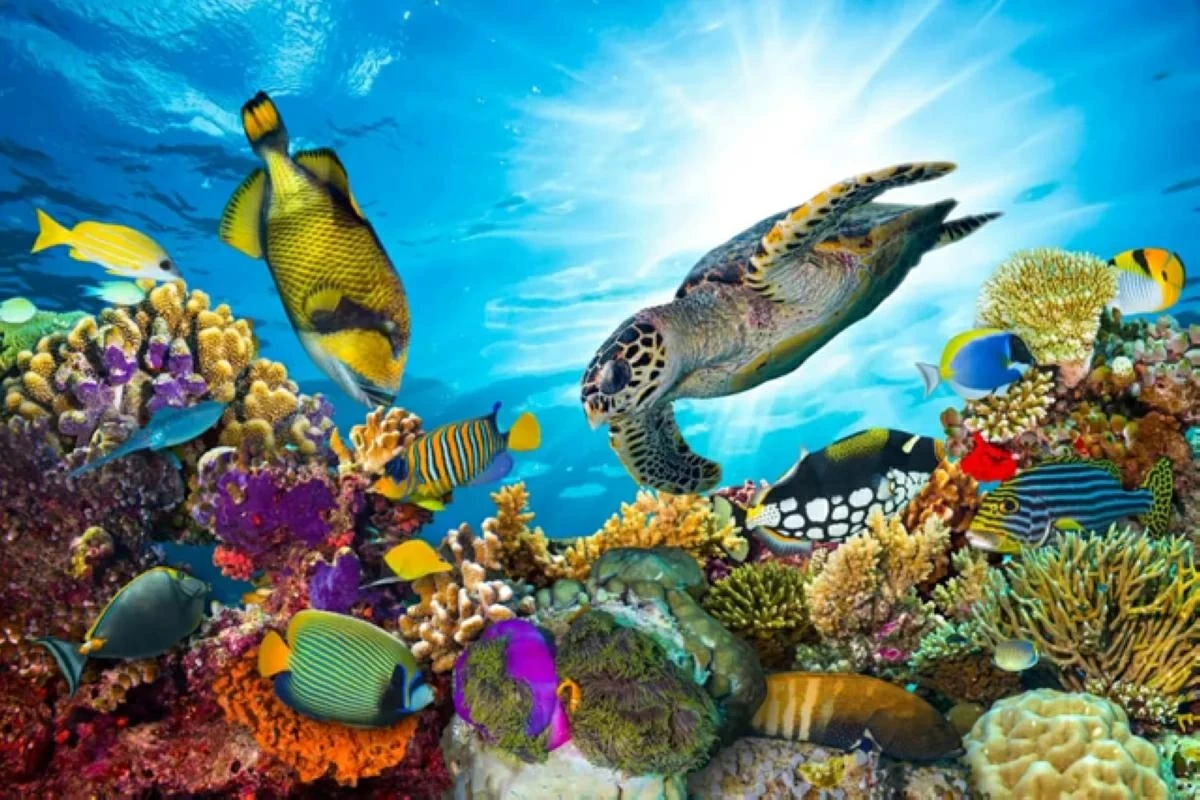
Located at the northernmost point of the Red Sea, the reserve protects shallow and mesophotic coral reefs, associated habitats, and seagrass meadows.
It hosts over 150 species of hard corals, more than 500 fish species, and nearly 1,000 mollusk species, alongside numerous endemic, rare, and endangered species, making it one of the most biodiverse marine areas regionally and globally.
Majali emphasised that this achievement marks the beginning of a long-term commitment to preserving this global natural treasure.
He reiterated Jordan’s full adherence to the World Heritage Convention and its intention to implement the committee's recommendations by enhancing the reserve's legal and administrative framework, advancing scientific research, supporting environmental monitoring, managing visitor traffic sustainably, and involving local communities in protection efforts.
Looking ahead, focus will shift towards executing the second Integrated Management Plan for the Aqaba Marine Reserve (2027–2030), alongside expanding monitoring programmes that track water quality, pollution, desalination discharge, sea surface temperature, salinity, turbidity, sedimentation, underwater light intensity, and noise pollution to ensure long-term preservation.
Majali welcomed the World Heritage Committee's emphasis on boosting regional cooperation, adding that Jordan will continue working with international and regional partners to safeguard the Gulf of Aqaba and the Red Sea, while exploring opportunities to protect transboundary marine ecosystems.
He expressed the Kingdom’s gratitude to the World Heritage Committee, UNESCO, the World Heritage Centre, the International Union for Conservation of Nature, Korea for hosting the 48th session, and all experts involved in preparing the nomination portfolio, reiterating the Kingdom's commitment to protecting the reserve as a national legacy and global natural asset.
