


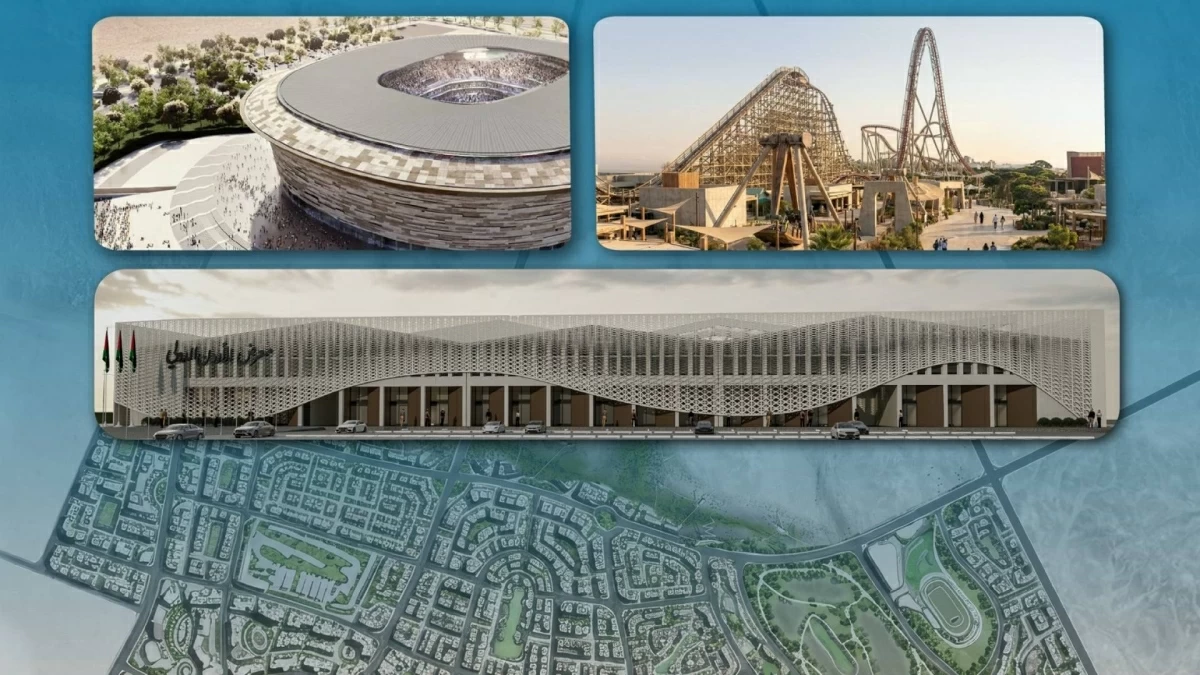
Amra New City marks turning point in Jordan’s urban planning

No Image

Integrated services, rising land demand, long-term planning place Amra City at heart of Jordan’s urban future — officials


AMMAN — The Amra New City project is moving into a clearer phase, with officials saying it marks one of Jordan’s most significant urban initiatives in decades. The government sees the project as a long-term plan to ease pressure on Amman and Zarqa and to create a modern, fully serviced city.

The project was launched under the directives of His Majesty King Abdullah and announced by Prime Minister Jafar Hassan. It will be developed over the next 25 years.

Speaking to Al Mamlaka, Musab Mheidat, Chairman of the Jordanian Company for Cities and Facilities Development, said that demand around the project has increased sharply.

He noted that land prices near the site have doubled since the official announcement.

Mheidat said the city will be financially and administratively independent. It will have its own investment law and will rely on public–private partnerships rather than land sales. Investment opportunities will open only after surrounding land values stabilise.

The city will also introduce a unified utility bill covering water electricity, and gas, the first system of its kind in Jordan. The government is studying fast and slow railway links to connect Amra with major governorates, aiming to position the city as a national mobility hub.

Mheidat stressed that Amra is not intended to replace Amman or serve as a new administrative capital. “It will be an independent city with its own character,” he said, adding that plans include open public areas and a proposed artificial lake.

The first phase of the project covers 40,000 dunums of the 500,000-dunum site. It includes major developments, such as an international exhibition centre, a large sports city, an environmental park and an entertainment district. These components are expected to be completed between 2027 and 2029.

Officials expect the first phase to create thousands of jobs and stimulate construction, transport, tourism and related sectors.

Amra will be connected to the Bus Rapid Transit (BRT) system once the initial phase is completed.

A source, who preferred to remain unknown said, “A lot of housing project will be erected on the new city, enough for Jordanians and foreigners”.

He added “several Jordanian and foreign investors have expressed their interests to invest in the Amra New City project”.

During a meeting with journalists on Saturday, ministers said that Amra City will follow a comprehensive land-use plan that designates areas for investment, education, commerce, industry, services, housing, and tourism. It is envisioned as a green, technologically advanced city that relies on clean energy, modern public transport, and digital infrastructure, the statement said.

An advisory council of young Jordanian experts in architecture, arts, environment, energy, sustainability, real estate development, and technology will contribute to shaping its design.

They said the project reflects a broader shift in Jordan’s planning approach. It introduces new models for land use, investment, public services and sustainability.

Amra is envisioned as a green, technologically advanced city with a population capacity exceeding one million.

With demand rising, construction preparations underway and a clear long-term vision, Amra New City is emerging as one of Jordan’s most ambitious development projects.

.col-lg-12.second .opinion-widget{border-top:1px solid #D0D0D0;} #widget_1623 .opinions-title {font-size:32px;} #widget_1623 .opinions-title a{font-size:32px;} .first-author{ background-color:#ecedef; } .first-opinion-author-name{ background-color:white; width:max-content; padding:5px; }
.epaper-separator{ height: 1px; width: 100%; background-color: #D0D0D0; margin: 15px 0; }

Today’s Paper

.related-articles .article-widget-sm .article-title{font-size:16px;-webkit-line-clamp:3;} .related-articles .layout-ratio{padding-bottom:55%;}
.alert-success { color :#A3656F ; } .alert-danger { color : red ; } .footer { font-family:Myriad Pro,Arial; } .newspaper-footer{ visibility:hidden; } .socialFixOuter { position: fixed; top: 50%; margin-top: 40px; right: 0; transition: .2s; z-index: 20; height: 217px; width: 40px; } .socialFix { height: 30px; width: 30px; display: block; position: relative; cursor: pointer; background-size: 18px 18px; transition: .2s; background-position: center; background-repeat: no-repeat; border-radius: 2px; margin-top: 1px; } .socialFix:hover { width: 40px; margin-left: -10px; } .app-badge-img { height: 36px; width: auto; } @media (max-width: 768px) { .app-badge-img { height: 32px; } .app-badges { justify-content: center !important; } }
document.addEventListener("DOMContentLoaded", function () { const socialFix = document.querySelector(".socialFixOuter"); if (!socialFix) return; let firstInteraction = false; let hideTimeout = null; function checkMobileScreen() { if (window.innerWidth < 768) { socialFix.style.display = "none"; } else { socialFix.style.display = "block"; } } checkMobileScreen(); window.addEventListener("resize", checkMobileScreen); function handleFirstInteraction() { if (firstInteraction) return; if (window.innerWidth < 768) return; firstInteraction = true; socialFix.style.right = "-25px"; } socialFix.addEventListener("mouseenter", function () { if (window.innerWidth < 768) return; if (hideTimeout) clearTimeout(hideTimeout); socialFix.style.right = "0"; }); socialFix.addEventListener("mouseleave", function () { if (window.innerWidth < 768) return; if (hideTimeout) clearTimeout(hideTimeout); hideTimeout = setTimeout(() => { socialFix.style.right = "-25px"; }, 500); }); ["click", "touchstart"].forEach((evt) => { socialFix.addEventListener(evt, handleFirstInteraction); }); }); function validateEmail(email) { if (email.length > 255) return false; const emailRegex = /^[a-zA-Z0-9._%+-]+@[a-zA-Z0-9.-]+\.[a-zA-Z]{2,}$/; if (!emailRegex.test(email)) return false; if (email.includes('..') || email.startsWith('.') || email.endsWith('.')) return false; return true; } function sanitizeInput(input) { input = input.replace(/<[^>]*>/g, ''); input = input.replace(/javascript:/gi, ''); input = input.replace(/on\w+\s*=/gi, ''); input = input.replace(/[<>"'&(){}[\]]/g, ''); return input.trim(); } document.addEventListener('DOMContentLoaded', function () { function showModal(message, type) { const messageContainer = document.getElementById("messageContainerFooter"); messageContainer.textContent = message; messageContainer.className = `alert alert-${type} mt-3`; messageContainer.classList.remove("d-none"); setTimeout(() => { messageContainer.classList.add("d-none"); }, 5000); } document.getElementById("emailFormFooter").addEventListener("submit", function(event) { event.preventDefault(); const emailInput = document.getElementById("emailFooter"); const email = sanitizeInput(emailInput.value.trim()); if (!validateEmail(email)) { showModal('Invalid email format', 'danger'); return; } const formData = new FormData(); formData.append('email', email); fetch('/subscribeNewsletter', { method: "POST", body: formData, headers: { "Accept": "application/json", "X-Requested-With": "XMLHttpRequest" } }) .then(response => { if (!response.ok) { showModal("Error submitting email. Try again.", 'danger'); } return response.json(); }) .then(data => { showModal(data.message, 'success'); }) .catch(error => { showModal("Error submitting email. Try again.", 'danger'); }); }); });