


72% of Syrian refugees in Jordan unwilling to return home — report

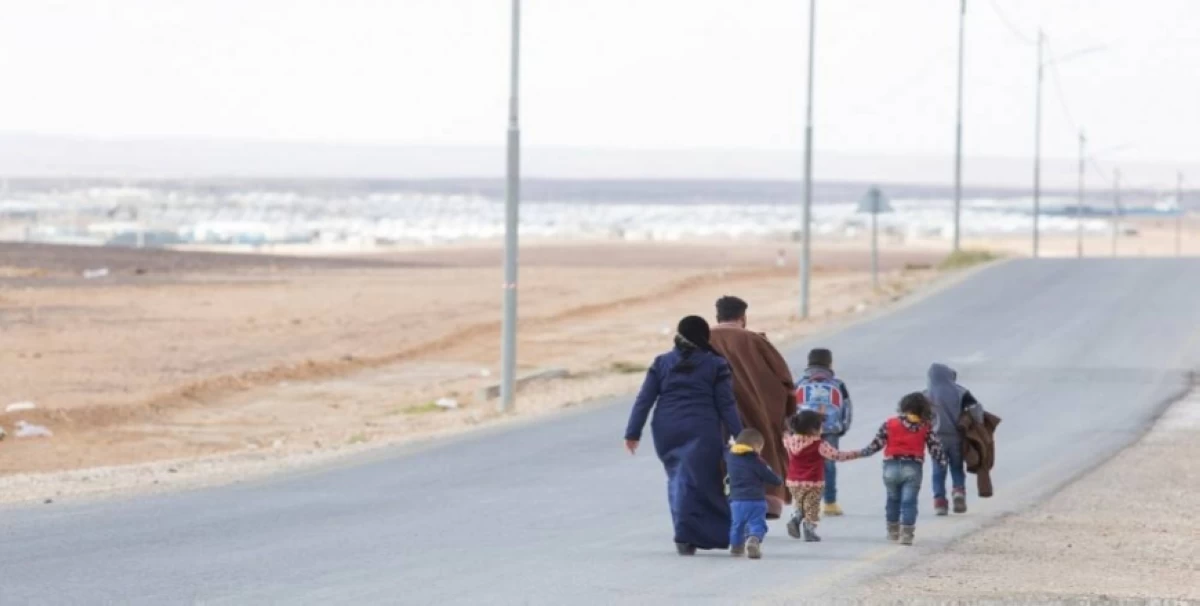
A recent report by Tamkeen says that the majority of Syrian refugees in Jordan remain unwilling to return home, citing persistent concerns over security, economic instability and inadequate housing (JT file photo)

Security, housing, economic concerns cited as leading barriers


AMMAN — Despite the fall of the Syrian regime in December 2024, the majority of Syrian refugees in Jordan remain unwilling to return home, citing persistent concerns over security, economic instability and inadequate housing, according to a report.

Issued by the Social Protection Observatory at Tamkeen for Legal Aid and Human Rights, the report surveyed 1,242 Syrian refugees residing across the Kingdom and found that 72 per cent do not currently wish to return to Syria, highlighting the complexity of repatriation decisions even in the aftermath of major political change.

Of those surveyed, 863 were men and 379 were women. While some expressed willingness to return for reasons such as family reunification, with the majority citing ongoing insecurity and a lack of economic opportunities in Syria as primary deterrents.

Jordan has hosted approximately 1.3 million Syrians since the outbreak of the Syrian conflict in 2011. According to UNHCR figures cited in the report, 557,783 were officially registered as of March 2025. Although voluntary returns are taking place, with 55,732 refugees returning between December 2024 and April 2025, most of those returning were living in urban, not camp, settings.

Employment was found to be a major factor influencing attitudes towards return. Among employed refugees, 35 per cent said they were willing to return, compared with just 20 per cent of the unemployed.

The most common sectors of employment include construction (28 per cent), agriculture (22 per cent), and retail (16 per cent). Other sectors such as restaurants, tailoring, mechanical work and cleaning were also mentioned, though most jobs were described as physically demanding and poorly paid.

Housing and security were key concerns. Nearly 60 per cent of respondents said they had no secure housing in Syria, while 56 per cent cited safety concerns, and 55 per cent pointed to economic instability as a major barrier to return.

Female refugees were particularly hesitant. Among the 379 women surveyed, 80 per cent expressed no desire to return, compared with 68.7 per cent of male respondents. Researchers suggested this may reflect heightened concerns over family wellbeing, education, and personal safety.

The report also noted that 88 per cent of Syrian refugees in Jordan live outside official camps, often in informal or overcrowded settings. Of those in camps, 85 per cent reside in unregulated shelters. Additionally, 63 per cent of all respondents entered Jordan through unofficial border crossings, frequently under emergency conditions.

Although 97 per cent hold UNHCR registration cards, 70 per cent said they receive no humanitarian assistance and 69 per cent reported being unable to meet basic needs, including food, housing, and healthcare.

The survey also found regional differences in attitudes toward return. Refugees in Amman were the most open to returning (55.4 per cent), while those in Zarqa expressed the least interest (18.9 per cent). Refugees who had lived in Jordan for fewer than 14 years were generally more reluctant to return than those with longer stays.

The Social Protection Observatory urged the international community to expand financial and logistical support for refugees wishing to return voluntarily, boost assistance to economically vulnerable families in Jordan, and enhance coordination to ensure safe, dignified, and informed repatriation. It also called on donor nations to honour commitments to host countries like Jordan and continue closely monitoring refugee needs and perspectives as conditions in Syria evolve.

.col-lg-12.second .opinion-widget{border-top:1px solid #D0D0D0;} #widget_1623 .opinions-title {font-size:32px;} #widget_1623 .opinions-title a{font-size:32px;} .first-author{ background-color:#ecedef; } .first-opinion-author-name{ background-color:white; width:max-content; padding:5px; }
.epaper-separator{ height: 1px; width: 100%; background-color: #D0D0D0; margin: 15px 0; }

Today’s Paper

.related-articles .article-widget-sm .article-title{font-size:16px;-webkit-line-clamp:3;} .related-articles .layout-ratio{padding-bottom:55%;}
.alert-success { color :#A3656F ; } .alert-danger { color : red ; } .footer { font-family:Myriad Pro,Arial; } .newspaper-footer{ visibility:hidden; } .socialFixOuter { position: fixed; top: 50%; margin-top: 40px; right: 0; transition: .2s; z-index: 20; height: 217px; width: 40px; } .socialFix { height: 30px; width: 30px; display: block; position: relative; cursor: pointer; background-size: 18px 18px; transition: .2s; background-position: center; background-repeat: no-repeat; border-radius: 2px; margin-top: 1px; } .socialFix:hover { width: 40px; margin-left: -10px; } .app-badge-img { height: 36px; width: auto; } @media (max-width: 768px) { .app-badge-img { height: 32px; } .app-badges { justify-content: center !important; } }
document.addEventListener("DOMContentLoaded", function () { const socialFix = document.querySelector(".socialFixOuter"); if (!socialFix) return; let firstInteraction = false; let hideTimeout = null; function checkMobileScreen() { if (window.innerWidth < 768) { socialFix.style.display = "none"; } else { socialFix.style.display = "block"; } } checkMobileScreen(); window.addEventListener("resize", checkMobileScreen); function handleFirstInteraction() { if (firstInteraction) return; if (window.innerWidth < 768) return; firstInteraction = true; socialFix.style.right = "-25px"; } socialFix.addEventListener("mouseenter", function () { if (window.innerWidth < 768) return; if (hideTimeout) clearTimeout(hideTimeout); socialFix.style.right = "0"; }); socialFix.addEventListener("mouseleave", function () { if (window.innerWidth < 768) return; if (hideTimeout) clearTimeout(hideTimeout); hideTimeout = setTimeout(() => { socialFix.style.right = "-25px"; }, 500); }); ["click", "touchstart"].forEach((evt) => { socialFix.addEventListener(evt, handleFirstInteraction); }); }); function validateEmail(email) { if (email.length > 255) return false; const emailRegex = /^[a-zA-Z0-9._%+-]+@[a-zA-Z0-9.-]+\.[a-zA-Z]{2,}$/; if (!emailRegex.test(email)) return false; if (email.includes('..') || email.startsWith('.') || email.endsWith('.')) return false; return true; } function sanitizeInput(input) { input = input.replace(/<[^>]*>/g, ''); input = input.replace(/javascript:/gi, ''); input = input.replace(/on\w+\s*=/gi, ''); input = input.replace(/[<>"'&(){}[\]]/g, ''); return input.trim(); } document.addEventListener('DOMContentLoaded', function () { function showModal(message, type) { const messageContainer = document.getElementById("messageContainerFooter"); messageContainer.textContent = message; messageContainer.className = `alert alert-${type} mt-3`; messageContainer.classList.remove("d-none"); setTimeout(() => { messageContainer.classList.add("d-none"); }, 5000); } document.getElementById("emailFormFooter").addEventListener("submit", function(event) { event.preventDefault(); const emailInput = document.getElementById("emailFooter"); const email = sanitizeInput(emailInput.value.trim()); if (!validateEmail(email)) { showModal('Invalid email format', 'danger'); return; } const formData = new FormData(); formData.append('email', email); fetch('/subscribeNewsletter', { method: "POST", body: formData, headers: { "Accept": "application/json", "X-Requested-With": "XMLHttpRequest" } }) .then(response => { if (!response.ok) { showModal("Error submitting email. Try again.", 'danger'); } return response.json(); }) .then(data => { showModal(data.message, 'success'); }) .catch(error => { showModal("Error submitting email. Try again.", 'danger'); }); }); });