






 Share
Share


AMMAN — Gray ash drifted silently over the mountains of Sulaymaniyah as Karim Qadir, a 42-year-old farmer, walked through the charred remains of oak trees, brushing soot from his face.
“My farm was surrounded by smoke for days. We couldn’t breathe. My fruit trees burned,” he said in a phone interview. “People were even talking about how the smoke could block the sun and affect the new solar stations. We never imagined fire would come this close.”
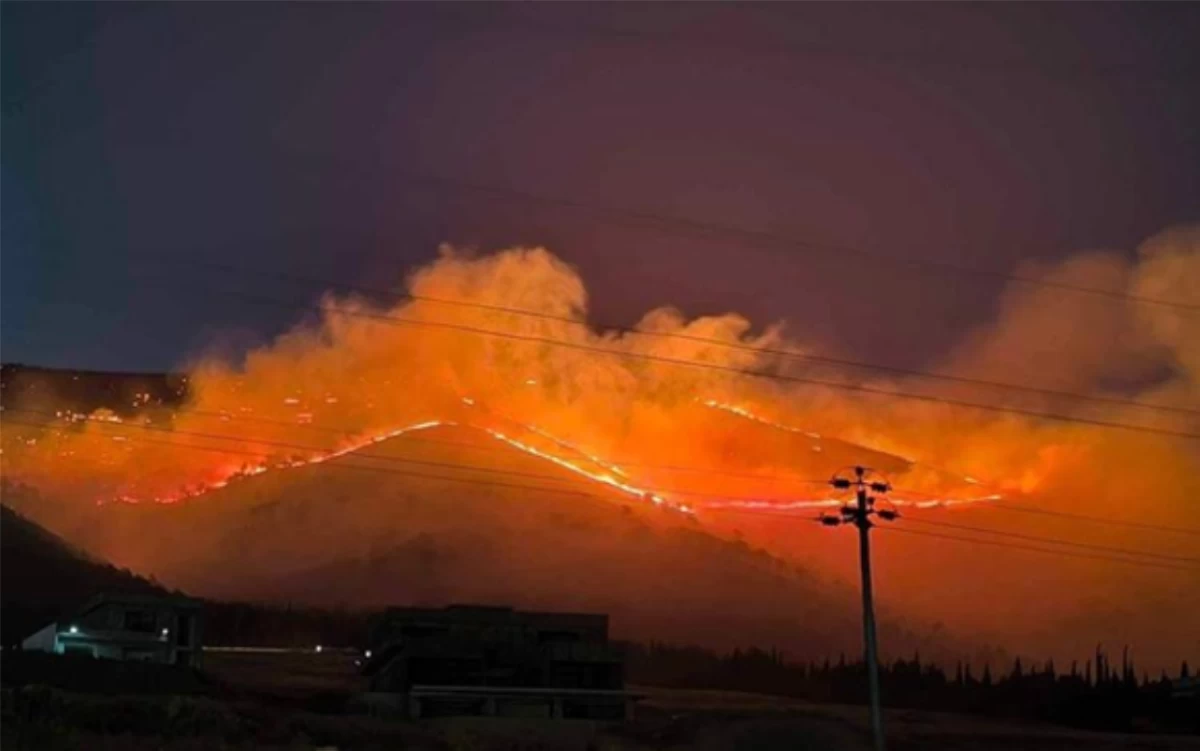
In early July 2025, a major fire tore through the Zawita forest in Duhok, Iraq, often described as the "lungs" of the province — destroying more than 150 dunams of old pine trees. Strong winds intensified the flames, making firefighting efforts nearly impossible.
“This was one of the worst forest losses we’ve seen in years,” said Shivan Ismail, director of the Duhok forest police.
Wildfires have become a recurring disaster in the region. In 2024, fires around Sulaymaniyah burned over 1,562 hectares of forest, according to Yousif Mohammed of the forest police.
Later in July, another blaze scorched 30 hectares of oak and pine in the nearby mountains. With temperatures soaring above 40°C and smoke blanketing the valleys, concern grew over how air pollution might reduce sunlight, a crucial factor for Iraq’s emerging solar energy sector.
Environmental experts say the intersection of climate change, deforestation, and human activity is putting both natural ecosystems and renewable energy plans at risk.
Wildfires on the rise as solar expands
In 2023 alone, over 1,300 hectares of land were burned across Iraq’s northern forests, according to the Ministry of Agriculture, part of a broader trend of increasing wildfire incidents across the Middle East.
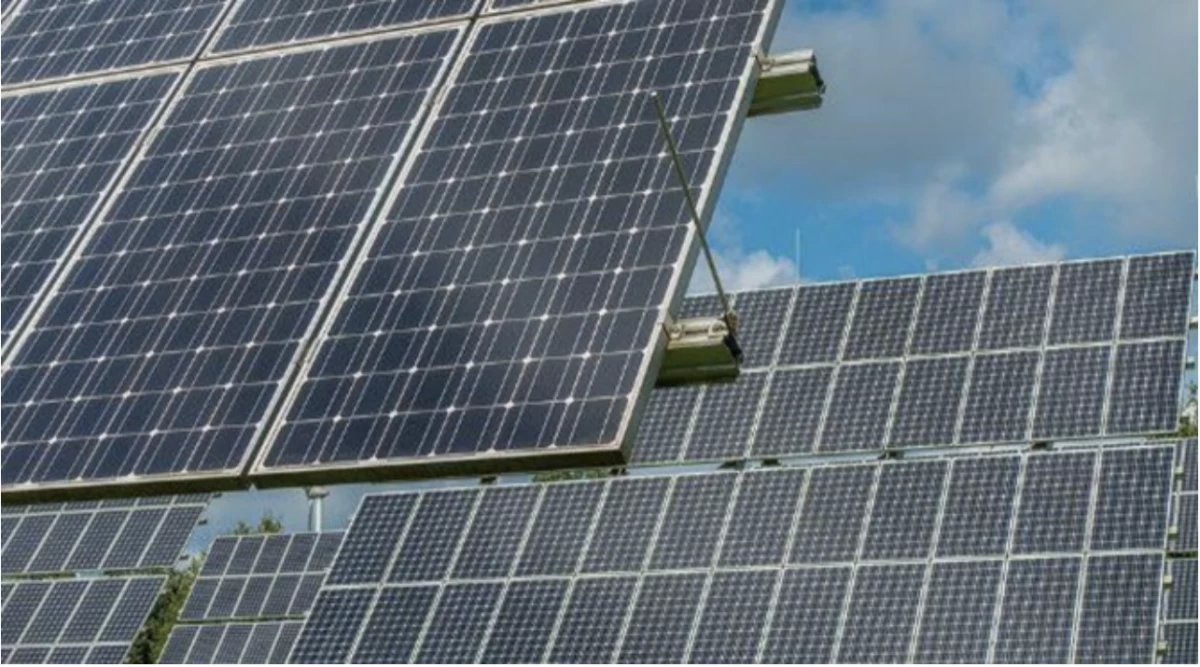
At the same time, Iraq is ramping up solar energy development. With an operational capacity of around 140 megawatts and nearly 1,000 MW of additional projects underway, the country aims to reach 12,000 MW of solar capacity by 2030.
But the smoke could complicate that plan.
“Climate change and rising wildfires could pose risks to these solar plans, especially if thick smoke reduces sunlight in key regions,” said Sarkaw Fairuz Abdullah, head of the Environmental Organisation in Halabja.
Across the border, Jordan is facing similar challenges.
Official Civil Defence records show a 70 per cent increase in forest fire incidents between 2020 and 2023. Though more recent data has yet to be published, the trend reflects growing vulnerability to heat and drought.
Meanwhile, Jordan’s solar energy capacity surpassed 2,000 MW in early 2025, supplying around 27 per cent of the country’s electricity demand. This includes both large-scale grid-connected projects and decentralized rooftop systems.
In May 2025, Jordan launched a 200 MW solar tender under a build-own-operate (BOO) model. Among the country’s flagship projects, the Baynouna Solar Power Plant near Amman generates around 200 MW, roughly 4 per cent of national electricity needs.
“Jordan’s growing solar footprint is not only reducing fossil fuel use, but also enhancing energy resilience,” said Mahmoud Zeidan, an energy expert from Mutah University.
Could smoke and fire dim the solar boom?
While no direct damage to solar facilities has been reported in either country, researchers warn that wildfire smoke can reduce solar energy production by blocking sunlight, a phenomenon documented by the US National Renewable Energy Laboratory (NREL) and covered in PV Magazine in 2020.
In Jordan, authorities have established 30-meter vegetation-free zones around solar plants to protect them from fires, according to the United Nations Development Programme (UNDP). In Iraq, such measures are still limited.
Ali Hadi, an activist with Nature Iraq, said the impact of smoke is already being felt.
“Even though our solar farms are far south, people are worried. When the sky turns black with smoke, you realize the sun is not always guaranteed,” he said.
Ecosystems, energy, and the WEFE nexus
The rising threat of wildfires ties into a broader regional issue known as the Water-Energy-Food-Ecosystem (WEFE) nexus, the interconnectedness of natural resources and infrastructure.
Forests help retain water and stabilize soil. When they burn, ecosystems suffer: biodiversity is lost, air and water quality decline, and agricultural productivity drops. These changes ripple through energy systems too, especially solar.
According to the 2023 Intergovernmental Panel on Climate Change (IPCC) report, wildfire risks in the Eastern Mediterranean could double by 2050, posing severe threats to ecosystems and human health.
UNDP data shows that Iraq’s average temperature has already increased by 1.2°C since the 1980s. In Jordan, forest fire frequency has tripled over the past 20 years.
To safeguard solar infrastructure, experts recommend tighter integration between wildfire response and energy planning. This includes real-time air quality monitoring near solar sites, better firebreak management, and emergency response protocols specific to solar installations.
As Iraq and Jordan push forward with clean energy ambitions, climate-fuelled fires are no longer a distant threat, they are already testing the limits of environmental and energy systems alike.
If left unchecked, experts warn, wildfires could darken more than skies, they could cast shadows over the region’s renewable energy future.
This article was contributed to The Jordan Times by Blue Peace Middle East Initiative.
