


The Malaysian archaeological heritage

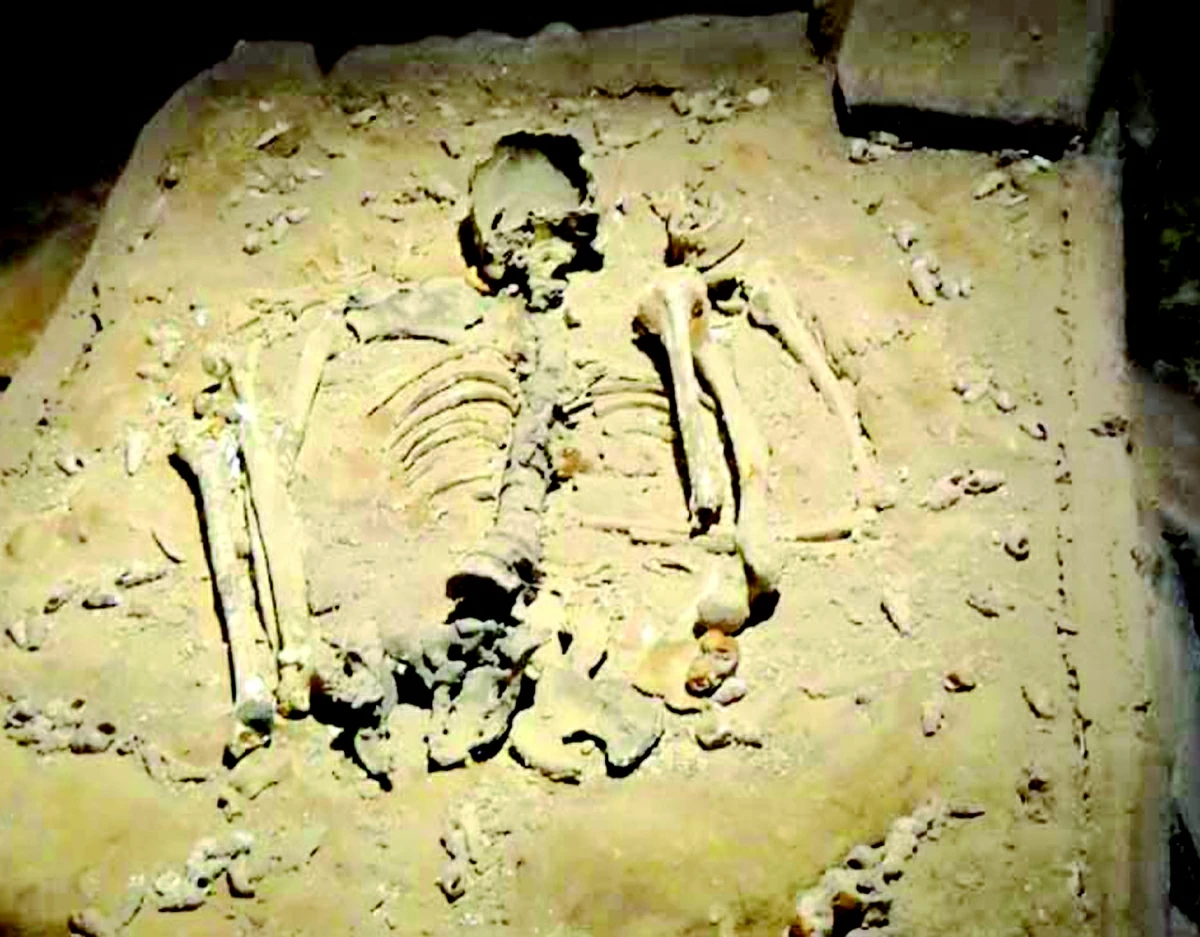
The remains of Perak man who is 11,000 year old skeleton, one of the oldest in Southeast Asia (Photo courtesy of Orang Perak)

KUALA LUMPUR — Malaysia has archaeological heritage that goes back to prehistoric site of Lenggong Valley and this area played a significant role in the history of early civilisations of the Southeast Asia. Humans from that period lived in the system of caves and usually these sites are not very popular among tourists.

The Lenggong Valley is one of Peninsular Malaysia’s most significant areas for archaeology, as scholars have discovered cave drawings, jewellery, pottery, weapons and stone tools for domestic use. The Lenggong Valley was listed by UNESCO as a World Heritage Site on June 30th 2012.

The number of sites found in the relatively contained area suggests the presence of a fairly large, semi-sedentary population with cultural remains from the Palaeolithic, Neolithic, Chalcolithic, Bronze and Iron periods.

Lenggong Valley is full of prehistoric treasures and its most prominent discovery was the Perak Man.

The Perak Man is the oldest human skeleton discovered in Southeast Asia, dated to approximately 11,000 years ago. The well-preserved skeleton probably belonged to a nomadic hunter-gatherer buried with grave goods and in a foetal position, suggesting he held a significant status within his community, possibly as a shaman or chieftain. His physical characteristics, including a hereditary hand deformity, are of great interest to archaeologists studying prehistoric Southeast Asia.

Lenggong Valley testifies about the human occupation during Paleolithic Period and tourists can find skeletal remains, ancient stone tools, pottery, volcanic ash and rare meteorite minerals. These artefacts are exhibited at the Lenggong Valley Archaeological Museum in Kota Tampan.

Due to its favourable conditions for human occupation, the Lenggong Valley remain relatively unexplored and there is potential for future discoveries.

Another important location is Bujang Valley, a historically significant archaeological area located in Kedah, on the northwest coast of Peninsular Malaysia. It’s one of Southeast Asia’s oldest civilisations, dating back to as early as the 3rd century AD — and possibly earlier. Archaeologists and historians worked on 50 ancient temple ruins in Kedah.

Bujang Valley was a trade hub in ancient times when traders from China, India and the Middle East met and exchanged products and commodities.

The Sungai Batu excavation site stretches around 4 sq. km2 and discoveries of iron ore smelting and trade suggest the presence of a prehistoric Malaysian civilisation that may date back to as early as 788BC. This date suggest that it would be one of the most ancient civilisations in Southeast Asia.

During the Roman mathematician, astronomer, astrologist and geographer Ptolemy (100AD-170AD) the commercial system was established between the Western and Eastern worlds through the Golden Chersonese (Malay Peninsula) route in the 1st century.

In 2015, archaeologists found several ancient ships buried at the bottom of the lake around the excavation area of in Sungai Batu. The ships were found to be 12–30m long and estimated to be 2,500 years old believed to have been used as a commercial fleet.

.col-lg-12.second .opinion-widget{border-top:1px solid #D0D0D0;} #widget_1623 .opinions-title {font-size:32px;} #widget_1623 .opinions-title a{font-size:32px;} .first-author{ background-color:#ecedef; } .first-opinion-author-name{ background-color:white; width:max-content; padding:5px; }
.epaper-separator{ height: 1px; width: 100%; background-color: #D0D0D0; margin: 15px 0; }

Today’s Paper

.related-articles .article-widget-sm .article-title{font-size:16px;-webkit-line-clamp:3;} .related-articles .layout-ratio{padding-bottom:55%;}
.alert-success { color :#A3656F ; } .alert-danger { color : red ; } .footer { font-family:Myriad Pro,Arial; } .newspaper-footer{ visibility:hidden; } .socialFixOuter { position: fixed; top: 50%; margin-top: 40px; right: 0; transition: .2s; z-index: 20; height: 217px; width: 40px; } .socialFix { height: 30px; width: 30px; display: block; position: relative; cursor: pointer; background-size: 18px 18px; transition: .2s; background-position: center; background-repeat: no-repeat; border-radius: 2px; margin-top: 1px; } .socialFix:hover { width: 40px; margin-left: -10px; } .app-badge-img { height: 36px; width: auto; } @media (max-width: 768px) { .app-badge-img { height: 32px; } .app-badges { justify-content: center !important; } }
document.addEventListener("DOMContentLoaded", function () { const socialFix = document.querySelector(".socialFixOuter"); if (!socialFix) return; let firstInteraction = false; let hideTimeout = null; function checkMobileScreen() { if (window.innerWidth < 768) { socialFix.style.display = "none"; } else { socialFix.style.display = "block"; } } checkMobileScreen(); window.addEventListener("resize", checkMobileScreen); function handleFirstInteraction() { if (firstInteraction) return; if (window.innerWidth < 768) return; firstInteraction = true; socialFix.style.right = "-25px"; } socialFix.addEventListener("mouseenter", function () { if (window.innerWidth < 768) return; if (hideTimeout) clearTimeout(hideTimeout); socialFix.style.right = "0"; }); socialFix.addEventListener("mouseleave", function () { if (window.innerWidth < 768) return; if (hideTimeout) clearTimeout(hideTimeout); hideTimeout = setTimeout(() => { socialFix.style.right = "-25px"; }, 500); }); ["click", "touchstart"].forEach((evt) => { socialFix.addEventListener(evt, handleFirstInteraction); }); }); function validateEmail(email) { if (email.length > 255) return false; const emailRegex = /^[a-zA-Z0-9._%+-]+@[a-zA-Z0-9.-]+\.[a-zA-Z]{2,}$/; if (!emailRegex.test(email)) return false; if (email.includes('..') || email.startsWith('.') || email.endsWith('.')) return false; return true; } function sanitizeInput(input) { input = input.replace(/<[^>]*>/g, ''); input = input.replace(/javascript:/gi, ''); input = input.replace(/on\w+\s*=/gi, ''); input = input.replace(/[<>"'&(){}[\]]/g, ''); return input.trim(); } document.addEventListener('DOMContentLoaded', function () { function showModal(message, type) { const messageContainer = document.getElementById("messageContainerFooter"); messageContainer.textContent = message; messageContainer.className = `alert alert-${type} mt-3`; messageContainer.classList.remove("d-none"); setTimeout(() => { messageContainer.classList.add("d-none"); }, 5000); } document.getElementById("emailFormFooter").addEventListener("submit", function(event) { event.preventDefault(); const emailInput = document.getElementById("emailFooter"); const email = sanitizeInput(emailInput.value.trim()); if (!validateEmail(email)) { showModal('Invalid email format', 'danger'); return; } const formData = new FormData(); formData.append('email', email); fetch('/subscribeNewsletter', { method: "POST", body: formData, headers: { "Accept": "application/json", "X-Requested-With": "XMLHttpRequest" } }) .then(response => { if (!response.ok) { showModal("Error submitting email. Try again.", 'danger'); } return response.json(); }) .then(data => { showModal(data.message, 'success'); }) .catch(error => { showModal("Error submitting email. Try again.", 'danger'); }); }); });