


 Share Story


By Dr Said Qabbaah,
Medical Writer & Public Health Expert
Family Flavours Magazines
Ageing is a natural part of life, yet many men undergo subtle changes along the years. Energy levels go down, recovery takes longer and illnesses can feel harder to bounce back from. Behind many of these changes lies the immune system, which gradually becomes less responsive with age.
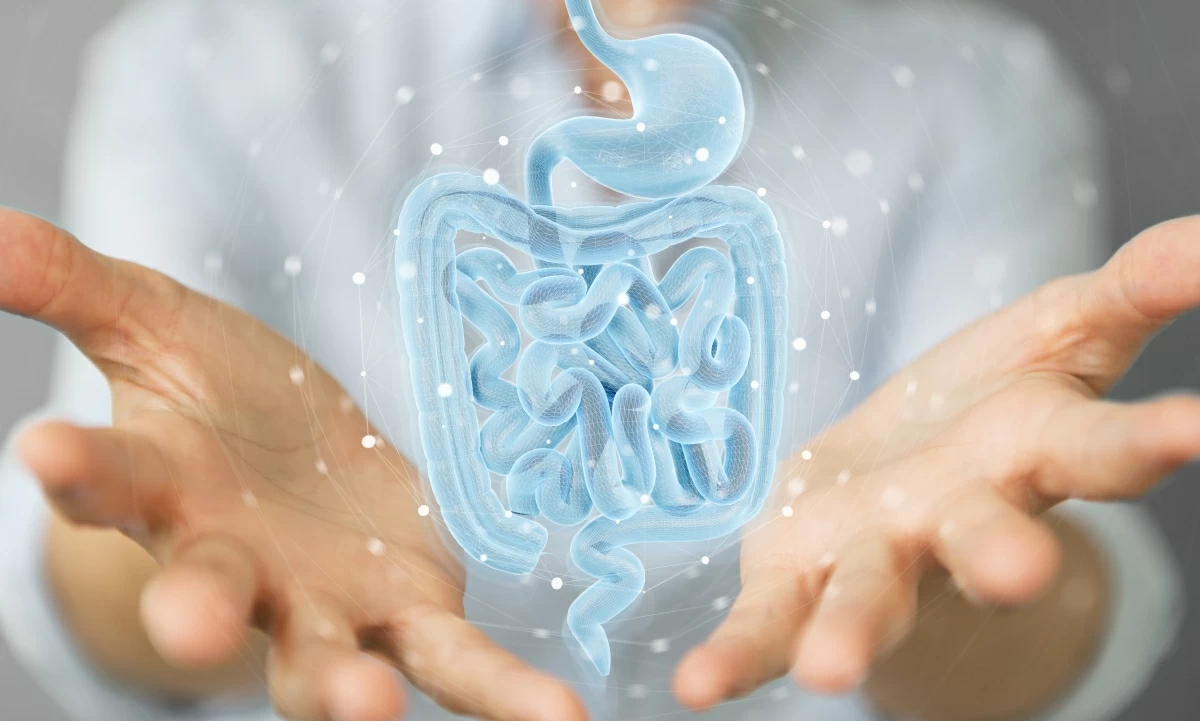
What is less widely known is that the gut plays an important role in this process. Often described as a “second brain”, the gut is home to trillions of microbes that quietly support immunity, metabolism and overall health. As research continues to evolve, one message is becoming clear: in men, healthy ageing and good gut health go hand in hand.
Ageing & The Immune System
As men age, the immune system becomes slower and less effective. The body can experience a low-level, ongoing inflammation, a process sometimes called “inflammageing”, which can contribute to age-related health issues over time.
This combination creates a double challenge; On one hand, the body becomes less efficient at fighting infections. On the other, chronic inflammation quietly increases the risk of long-term health conditions.
Although this process is completely natural, it is not entirely fixed. Lifestyle factors such as diet, physical activity, sleep and gut health can shape how your immune system changes with time. Everyday choices play a meaningful role in how the gut and immune system age, showing that while ageing cannot be stopped, the body’s response to it can still be guided.
The Gut–Immune Connection
The collection of bacteria, viruses and fungi that live in your digestive tract is known as the gut microbiome. These microbes actively communicate with the immune system. In fact, the gut microbiome plays a key role in training and controlling immune responses throughout life.
Think of it as a constant dialogue. Healthy microbes help the immune system recognise harmful invaders while preventing unnecessary inflammation. This stability is essential for maintaining health. So, when the gut is diverse and well-balanced, it supports strong immune defences. On the other hand, when it is disrupted, immune function can suffer.
When the gut microbiome becomes imbalanced, it can promote the release of inflammatory signals throughout the body. This matters because inflammation sits at the centre of many age-related diseases. For instance:
In the heart, it contributes to plaque build-up
In the brain, it may play a role in cognitive decline
In the immune system, it disrupts normal responses
By supporting gut health, it may be possible to reduce this inflammatory problem and support healthier ageing.
The Gut & Ageing?
Just as the immune system changes with age, so does the gut microbiome. Research shows that older adults often experience a shift in gut bacteria, with fewer beneficial microbes and more pro-inflammatory ones. This imbalance, known as dysbiosis, can weaken your gut barrier. As a result, harmful substances may pass more easily into the bloodstream, triggering inflammation.
Several factors contribute to these changes, including:
— Eating a less varied diet
— Increased medication use
— Lower physical activity
— Chronic health conditions
Over time, these factors can alter the gut environment, affecting both digestion and immunity.
Gut Health & Men
Men face some unique health challenges that make gut health particularly relevant: For instance, men are more likely to develop cardiovascular disease, including heart conditions and strokes, earlier in life.
Chronic inflammation linked to poor gut health adds to this risk. Also, some evidence suggests that men may be more likely to consume diets lower in fibre and higher in processed foods, both of which can negatively affect the microbiome.
On top of that, many men may delay addressing general health concerns which can allow imbalances to persist. For example, a man in his fifties who occasionally skips meals, follows a low-fibre diet, or requires repeated courses of antibiotics for recurring infections could gradually develop gut imbalance. Over time, this may contribute to fatigue, weight changes, or greater susceptibility to illness.
Improving Gut Health as You Age
The encouraging news is that even small changes can positively impact gut health over time, when done correctly and consistently. This includes:
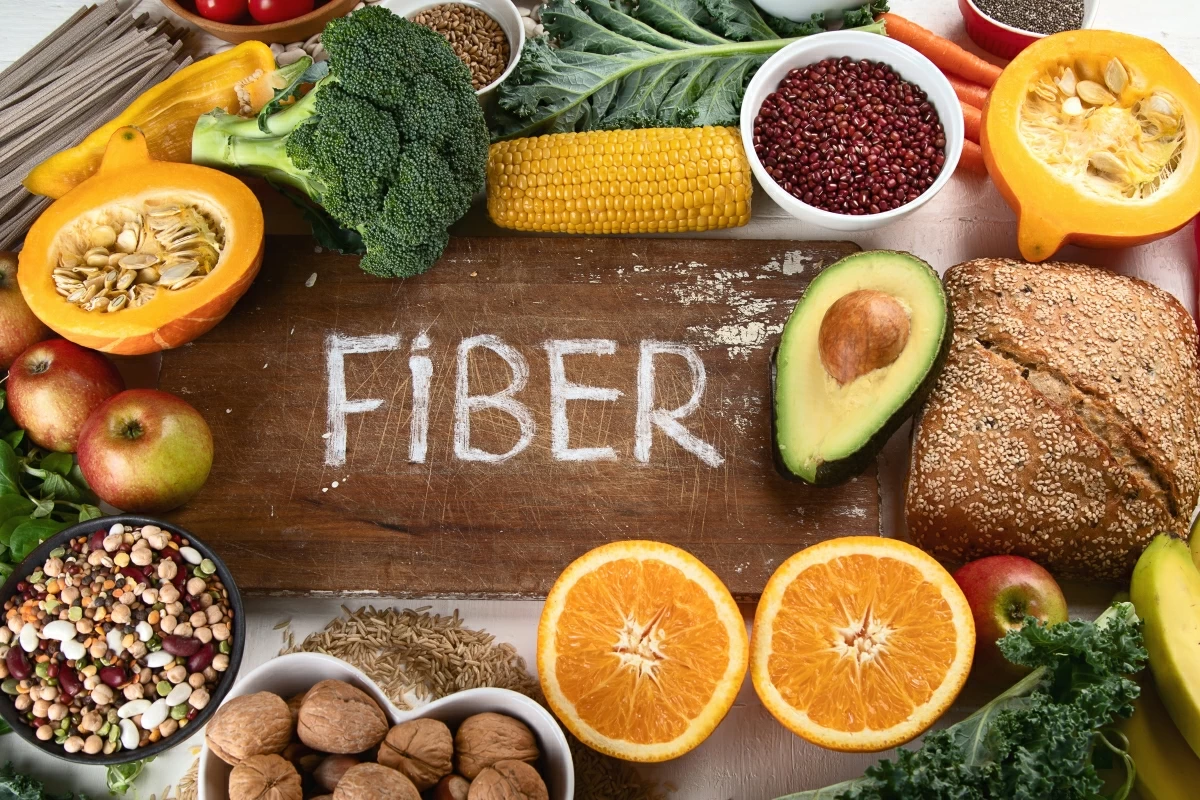
1. Eating a fibre-rich diet
Foods such as vegetables, fruits, whole grains and legumes provide fuel for beneficial gut bacteria and support microbial diversity
2. Including fermented foods
Yoghurt, kefir (a fermented milk drink) and fermented vegetables can introduce helpful bacteria into the gut
3. Staying physically active
Regular movement has been linked to a more diverse microbiome and improved immune health
4. Using antibiotics wisely
While essential when needed, frequent or unnecessary use of antibiotics can disrupt gut balance
5. Managing stress
Chronic stress can negatively affect both the gut and the immune system, highlighting the importance of mental health
6. Considering Vitamin D
Emerging research suggests that vitamin D interacts with the gut microbiome and may help regulate immune ageing
Your Gut, Your Health
Ageing is more than the passing of years; it’s the story of how our bodies, habits and surroundings interact over time. At the heart of that story is the gut, quietly connecting what we eat, how we live and how our immune system responds. For men, paying attention to gut health offers a way to take the lead in their own wellbeing.
It’s not about getting everything perfect, but about small, steady choices that nurture the body throughout life. When the gut thrives, the immune system thrives too, helping the body move through the ageing process with greater ease and grace. Because, in many ways, the journey to better health begins from within, with each step writing the next chapter.
You can contact Dr Said Qabbaah at [email protected]
This article is printed with permission from Family Flavours magazine