


UN Women warns low female workforce participation could slow growth

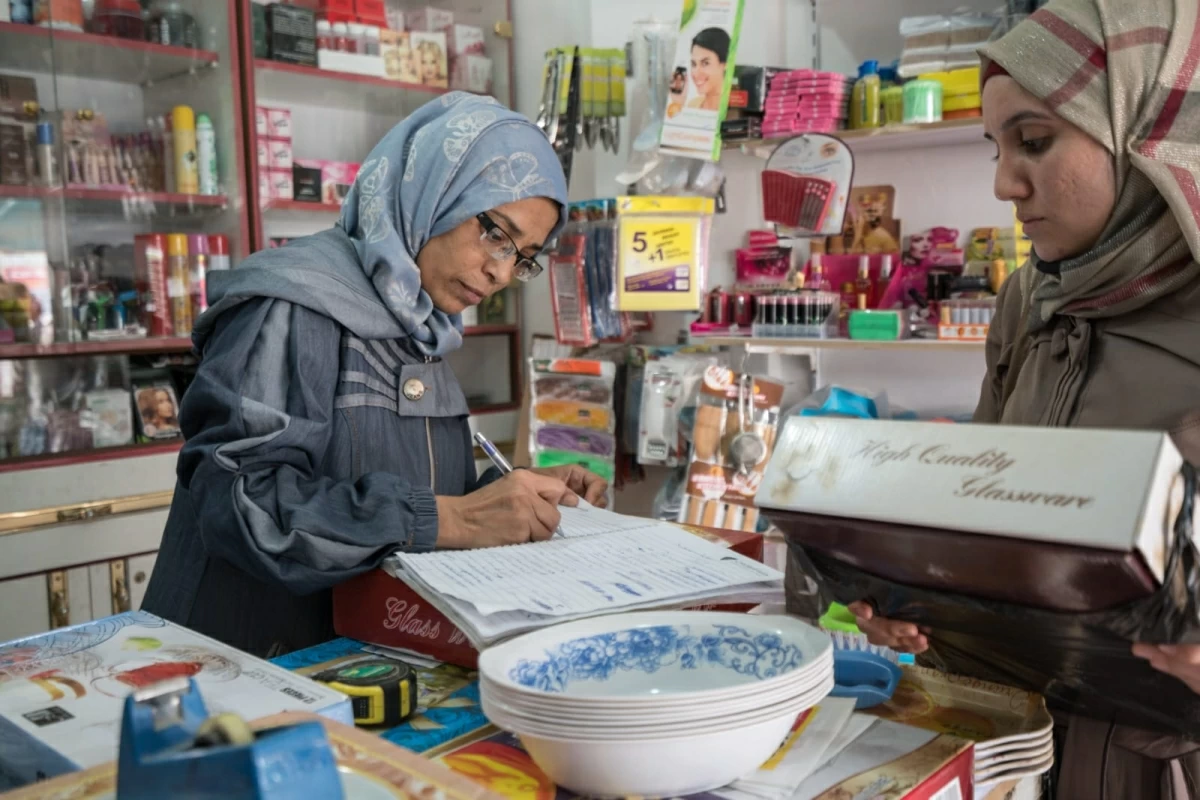
Women-led microbusinesses supported by UN Women in the Governorate of Mafraq, Jordan (Photo Courtesy of UN Women)

AMMAN — A decline in women’s participation in the labour market could have implications for Jordan’s productivity and long-term growth, according to a UN report.

According to a new policy brief by the UN Women Arab States office, women account for around 16 per cent of Jordan's labour force, warning that economic slowdowns risk widening existing gender gaps as women face reduced employment opportunities in both the private and public sectors.

The report said that the Economic Modernisation Vision aims to raise female labour-force participation to 28 per cent, but economic pressures could slow progress towards that target by limiting women's access to formal employment.

The UN Women Arab States office told The Jordan Times that women are likely to be affected through two main channels: weaker private-sector demand and tighter fiscal conditions in the public sector.

In the private sector, employment in retail, services and hospitality could decline by between 7,100 jobs under a moderate economic slowdown and nearly 12,000 jobs in a more severe scenario, according to the report.

At the same time, fiscal constraints could result in hiring freezes and wage pressures in education, healthcare and public administration, sectors that employ a significant share of Jordanian women.

The report noted that many young, educated women enter the labour market through these sectors, meaning reduced recruitment could limit their transition into formal employment.

The brief also pointed to broader economic costs associated with gender employment gaps across the Middle East and North Africa. In Jordan, estimates cited in the report suggest that narrowing the gender employment gap could increase GDP per capita by as much as 70 per cent in the long term.

Lower female labour-force participation could therefore affect household incomes, domestic demand and overall economic performance while making it more difficult to achieve the employment goals set out in the Economic Modernisation Vision.

Policy recommendations

The UN women office recommended targeted measures to help women remain in employment during periods of economic adjustment.

Short-term recommendations include emergency cash transfers, wage subsidies and livelihood support for women working in sectors most affected by economic pressures, particularly those without formal contracts or social protection.

It also called for extending support to informal workers through simplified eligibility criteria and existing national delivery systems.

Over the medium term, the brief urged policymakers to prioritise public spending on education and healthcare and avoid broad hiring freezes in the public sector because of their importance to women's employment.

The spokesperson of the UN Women Arab states office also identified support for women-led businesses as a priority. Although women own around one-quarter of businesses in Jordan, they face an estimated $585 million financing gap, with many women-led micro, small and medium-sized enterprises reporting limited or no access to formal finance.

To address these challenges, the UN Women Arab States office recommended expanding access to credit guarantees, recovery financing and enterprise support programmes to strengthen business continuity and protect employment.

The UN Women Arab states office concluded that maintaining and increasing women's participation in the labour market would support productivity, income growth and long-term economic development. It added that policies promoting labour-market inclusion, business financing and public-sector employment could contribute to more balanced economic outcomes while advancing Jordan's economic reform agenda.

.col-lg-12.second .opinion-widget{border-top:1px solid #D0D0D0;} #widget_1623 .opinions-title {font-size:32px;} #widget_1623 .opinions-title a{font-size:32px;} .first-author{ background-color:#ecedef; } .first-opinion-author-name{ background-color:white; width:max-content; padding:5px; }
.epaper-separator{ height: 1px; width: 100%; background-color: #D0D0D0; margin: 15px 0; }

Today’s Paper

.related-articles .article-widget-sm .article-title{font-size:16px;-webkit-line-clamp:3;} .related-articles .layout-ratio{padding-bottom:55%;}
.alert-success { color :#A3656F ; } .alert-danger { color : red ; } .footer { font-family:Myriad Pro,Arial; } .newspaper-footer{ visibility:hidden; } .socialFixOuter { position: fixed; top: 50%; margin-top: 40px; right: 0; transition: .2s; z-index: 20; height: 217px; width: 40px; } .socialFix { height: 30px; width: 30px; display: block; position: relative; cursor: pointer; background-size: 18px 18px; transition: .2s; background-position: center; background-repeat: no-repeat; border-radius: 2px; margin-top: 1px; } .socialFix:hover { width: 40px; margin-left: -10px; } .app-badge-img { height: 36px; width: auto; } @media (max-width: 768px) { .app-badge-img { height: 32px; } .app-badges { justify-content: center !important; } }
document.addEventListener("DOMContentLoaded", function () { const socialFix = document.querySelector(".socialFixOuter"); if (!socialFix) return; let firstInteraction = false; let hideTimeout = null; function checkMobileScreen() { if (window.innerWidth < 768) { socialFix.style.display = "none"; } else { socialFix.style.display = "block"; } } checkMobileScreen(); window.addEventListener("resize", checkMobileScreen); function handleFirstInteraction() { if (firstInteraction) return; if (window.innerWidth < 768) return; firstInteraction = true; socialFix.style.right = "-25px"; } socialFix.addEventListener("mouseenter", function () { if (window.innerWidth < 768) return; if (hideTimeout) clearTimeout(hideTimeout); socialFix.style.right = "0"; }); socialFix.addEventListener("mouseleave", function () { if (window.innerWidth < 768) return; if (hideTimeout) clearTimeout(hideTimeout); hideTimeout = setTimeout(() => { socialFix.style.right = "-25px"; }, 500); }); ["click", "touchstart"].forEach((evt) => { socialFix.addEventListener(evt, handleFirstInteraction); }); }); function validateEmail(email) { if (email.length > 255) return false; const emailRegex = /^[a-zA-Z0-9._%+-]+@[a-zA-Z0-9.-]+\.[a-zA-Z]{2,}$/; if (!emailRegex.test(email)) return false; if (email.includes('..') || email.startsWith('.') || email.endsWith('.')) return false; return true; } function sanitizeInput(input) { input = input.replace(/<[^>]*>/g, ''); input = input.replace(/javascript:/gi, ''); input = input.replace(/on\w+\s*=/gi, ''); input = input.replace(/[<>"'&(){}[\]]/g, ''); return input.trim(); } document.addEventListener('DOMContentLoaded', function () { function showModal(message, type) { const messageContainer = document.getElementById("messageContainerFooter"); messageContainer.textContent = message; messageContainer.className = `alert alert-${type} mt-3`; messageContainer.classList.remove("d-none"); setTimeout(() => { messageContainer.classList.add("d-none"); }, 5000); } document.getElementById("emailFormFooter").addEventListener("submit", function(event) { event.preventDefault(); const emailInput = document.getElementById("emailFooter"); const email = sanitizeInput(emailInput.value.trim()); if (!validateEmail(email)) { showModal('Invalid email format', 'danger'); return; } const formData = new FormData(); formData.append('email', email); fetch('/subscribeNewsletter', { method: "POST", body: formData, headers: { "Accept": "application/json", "X-Requested-With": "XMLHttpRequest" } }) .then(response => { if (!response.ok) { showModal("Error submitting email. Try again.", 'danger'); } return response.json(); }) .then(data => { showModal(data.message, 'success'); }) .catch(error => { showModal("Error submitting email. Try again.", 'danger'); }); }); });