


Stock markets recover as oil retreats

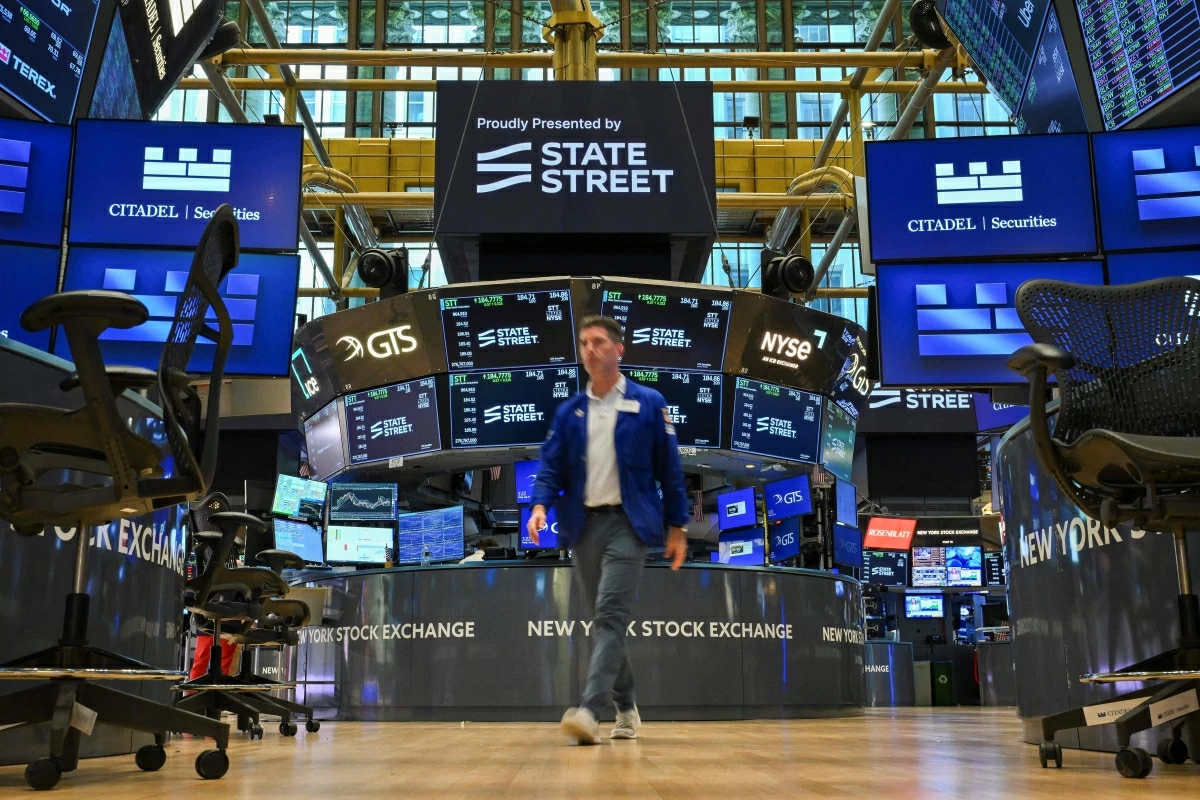
A trader walks on the floor of the New York Stock Exchange at the closing bell, in New York City on Friday (AFP photo)

LONDON — The main international oil contract Brent North Sea fell back under $100 Friday after surging past the key milestone the previous day on escalating Middle East strikes, helping US and European stock markets stabilise.

Brent and the key US contract, West Texas Intermediate, declined more than two percent. Brent had soared seven percent Thursday and WTI more than six percent.

The sizeable jumps had come after Yemen's Houthi rebels struck oil tankers in the Red Sea, potentially opening a new front in the Middle East war.

US President Donald Trump meanwhile threatened the Iran-backed fighters with "major military punishment".

Despite the United States launching fresh strikes Friday on Iran, there was relief on markets that some ships were still able to pass through the Bab al-Mandeb strait, a crucial passage into the Red Sea.

"Ships with Saudi crude are still crossing... so for now, it is not a full blockade, reducing a bit the risk of an even tighter oil market," Giovanni Staunovo, a commodities analyst at Swiss bank UBS, told AFP.

Wall Street opened broadly stable, with the Nasdaq Composite dipping 0.1 percent as tech stocks continued to struggle.

"This is not a robust response given the scope of yesterday's losses, but it is something to build on for a market that had its foundation shaken yesterday," said Briefing.com analyst Patrick O'Hare, referring to when the Nasdaq fell more than two percent as tech stocks took a beating while the Dow and S&P 500 both lost one per cent.

With tech stocks not as predominant in Europe, the region's main stock markets advanced.

Asian stock markets followed the sell-off Thursday on Wall Street as world markets were battered by a perfect storm of the resurgent Middle East war, the spike in oil prices back past $100 and concerns about the artificial intelligence (AI) boom.

While traders in the past have been able to offset the bad news in one area by focusing on the positives elsewhere, analysts said they were now struggling to fire-fight on three fronts: high oil prices, high government borrowing costs and jitters over tech company valuations.

Tech firms were once again bearing the brunt of the selling owing to growing concerns about the colossal sums ploughed into AI hardware, factories and research, with many now questioning when they will see returns.

The latest blows came Thursday as Google parent Alphabet and Tesla came under scrutiny for massive capital spending drives.

Alphabet shares dived almost seven percent and Tesla plunged more than 14 per cent.

Meta, Microsoft, and Amazon had already flagged that they would fork out more than $700 billion this year on AI ambitions, and are due to report next week.

Meanwhile, government bond yields jumped with the yield on 10-year US Treasuries hitting an 18-month high, and expectations of interest rate hikes have risen.

David Morrison at Trade Nation said expectations that the US Federal Reserve could hike interest rates at its meeting next week have risen from 13 percent last week to 30 per cent currently.

"Perhaps more seriously, the CME's FedWatch Tool shows a 90 per cent probability of at least one 25-basis point rate hike before year-end," he said.

.col-lg-12.second .opinion-widget{border-top:1px solid #D0D0D0;} #widget_1623 .opinions-title {font-size:32px;} #widget_1623 .opinions-title a{font-size:32px;} .first-author{ background-color:#ecedef; } .first-opinion-author-name{ background-color:white; width:max-content; padding:5px; }
.epaper-separator{ height: 1px; width: 100%; background-color: #D0D0D0; margin: 15px 0; }

Today’s Paper

.related-articles .article-widget-sm .article-title{font-size:16px;-webkit-line-clamp:3;} .related-articles .layout-ratio{padding-bottom:55%;}
.alert-success { color :#A3656F ; } .alert-danger { color : red ; } .footer { font-family:Myriad Pro,Arial; } .newspaper-footer{ visibility:hidden; } .socialFixOuter { position: fixed; top: 50%; margin-top: 40px; right: 0; transition: .2s; z-index: 20; height: 217px; width: 40px; } .socialFix { height: 30px; width: 30px; display: block; position: relative; cursor: pointer; background-size: 18px 18px; transition: .2s; background-position: center; background-repeat: no-repeat; border-radius: 2px; margin-top: 1px; } .socialFix:hover { width: 40px; margin-left: -10px; } .app-badge-img { height: 36px; width: auto; } @media (max-width: 768px) { .app-badge-img { height: 32px; } .app-badges { justify-content: center !important; } }
document.addEventListener("DOMContentLoaded", function () { const socialFix = document.querySelector(".socialFixOuter"); if (!socialFix) return; let firstInteraction = false; let hideTimeout = null; function checkMobileScreen() { if (window.innerWidth < 768) { socialFix.style.display = "none"; } else { socialFix.style.display = "block"; } } checkMobileScreen(); window.addEventListener("resize", checkMobileScreen); function handleFirstInteraction() { if (firstInteraction) return; if (window.innerWidth < 768) return; firstInteraction = true; socialFix.style.right = "-25px"; } socialFix.addEventListener("mouseenter", function () { if (window.innerWidth < 768) return; if (hideTimeout) clearTimeout(hideTimeout); socialFix.style.right = "0"; }); socialFix.addEventListener("mouseleave", function () { if (window.innerWidth < 768) return; if (hideTimeout) clearTimeout(hideTimeout); hideTimeout = setTimeout(() => { socialFix.style.right = "-25px"; }, 500); }); ["click", "touchstart"].forEach((evt) => { socialFix.addEventListener(evt, handleFirstInteraction); }); }); function validateEmail(email) { if (email.length > 255) return false; const emailRegex = /^[a-zA-Z0-9._%+-]+@[a-zA-Z0-9.-]+\.[a-zA-Z]{2,}$/; if (!emailRegex.test(email)) return false; if (email.includes('..') || email.startsWith('.') || email.endsWith('.')) return false; return true; } function sanitizeInput(input) { input = input.replace(/<[^>]*>/g, ''); input = input.replace(/javascript:/gi, ''); input = input.replace(/on\w+\s*=/gi, ''); input = input.replace(/[<>"'&(){}[\]]/g, ''); return input.trim(); } document.addEventListener('DOMContentLoaded', function () { function showModal(message, type) { const messageContainer = document.getElementById("messageContainerFooter"); messageContainer.textContent = message; messageContainer.className = `alert alert-${type} mt-3`; messageContainer.classList.remove("d-none"); setTimeout(() => { messageContainer.classList.add("d-none"); }, 5000); } document.getElementById("emailFormFooter").addEventListener("submit", function(event) { event.preventDefault(); const emailInput = document.getElementById("emailFooter"); const email = sanitizeInput(emailInput.value.trim()); if (!validateEmail(email)) { showModal('Invalid email format', 'danger'); return; } const formData = new FormData(); formData.append('email', email); fetch('/subscribeNewsletter', { method: "POST", body: formData, headers: { "Accept": "application/json", "X-Requested-With": "XMLHttpRequest" } }) .then(response => { if (!response.ok) { showModal("Error submitting email. Try again.", 'danger'); } return response.json(); }) .then(data => { showModal(data.message, 'success'); }) .catch(error => { showModal("Error submitting email. Try again.", 'danger'); }); }); });