


Coal-fired power generation rising globally on Mideast war — IEA

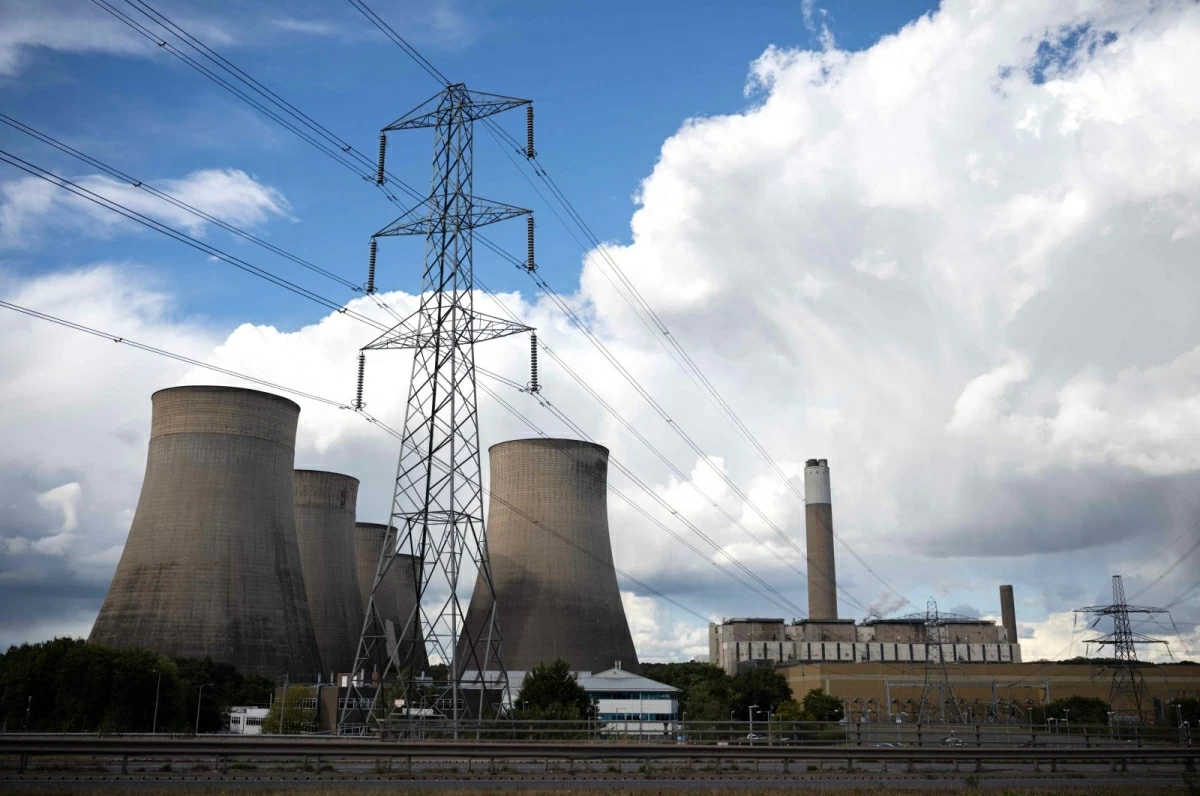
Electricity pylons carry power cables above the Ratcliffe-on-Soar coal-fired power station, which is due to close at the end of the month, is pictured near Nottingham, U.K., Sept 12, 2024 (AFP file photo)

PARIS, France — Coal-fired power generation is set to increase in 2026, driven by supply difficulties and soaring natural gas prices linked to the war in the Middle East, the International Energy Agency (IEA) said Thursday.

The conflict in the Middle East, pitting the United States against Iran, has led since March 2026 to regular blockages of the Strait of Hormuz, through which 20 per cent of liquefied natural gas (LNG) transits, pushing some economies back toward coal.

As a result, "global coal-fired generation is expected to increase by 1.4 per cent in 2026, after remaining roughly constant in 2025," the IEA wrote in a new report.

The increased use of coal-fired power plants is also explained by a surge in energy prices in 2026.

Up 30 per cent compared with the first half of 2025, they are "at their highest level since the energy crisis of 2022 and 2023," which was triggered by the war in Ukraine, the IEA said.

Consequently, global carbon dioxide (CO2) emissions from electricity generation are expected to rise by one per cent in 2026, with large regional disparities, the agency wrote.

Southeast Asia is expected to see its emissions grow by six per cent, while the European Union should record a five- per cent decline.

CO2 emissions should, however, stabilise in 2027, thanks to the growth of renewable electricity generation, which is "overtaking coal as the world's largest source of electricity generation, after reaching near parity in 2025," the report said.

Renewable supply is expected to increase by eight per cent in 2026, and its share in global electricity supply should raise from 33 per cent in 2025 to 37 per cent in 2027.

The sector is being driven by solar power, whose generation is expected to surpass that of wind in 2026 and thus "become the world's second-largest source of renewable electricity generation after hydropower," the IEA wrote.

Overall, demand for electricity "forecast to stay on a solid upward trajectory," driven in particular by industry, electric vehicles and data centres, the IEA said.

It forecast demand growth of 3.6 per cent in 2026 and 3.8 per cent in 2027, compared with a three- per cent increase in 2025.

Finally, the El Nino event, a natural climate fluctuation that warms temperatures and leads to changes in wind patterns, is proving stronger than expected this year.

This weather phenomenon "could affect electricity demand" by increasing cooling needs and limiting hydropower and wind power generation, the IEA said.

.col-lg-12.second .opinion-widget{border-top:1px solid #D0D0D0;} #widget_1623 .opinions-title {font-size:32px;} #widget_1623 .opinions-title a{font-size:32px;} .first-author{ background-color:#ecedef; } .first-opinion-author-name{ background-color:white; width:max-content; padding:5px; }
.epaper-separator{ height: 1px; width: 100%; background-color: #D0D0D0; margin: 15px 0; }

Today’s Paper

.related-articles .article-widget-sm .article-title{font-size:16px;-webkit-line-clamp:3;} .related-articles .layout-ratio{padding-bottom:55%;}
.alert-success { color :#A3656F ; } .alert-danger { color : red ; } .footer { font-family:Myriad Pro,Arial; } .newspaper-footer{ visibility:hidden; } .socialFixOuter { position: fixed; top: 50%; margin-top: 40px; right: 0; transition: .2s; z-index: 20; height: 217px; width: 40px; } .socialFix { height: 30px; width: 30px; display: block; position: relative; cursor: pointer; background-size: 18px 18px; transition: .2s; background-position: center; background-repeat: no-repeat; border-radius: 2px; margin-top: 1px; } .socialFix:hover { width: 40px; margin-left: -10px; } .app-badge-img { height: 36px; width: auto; } @media (max-width: 768px) { .app-badge-img { height: 32px; } .app-badges { justify-content: center !important; } }
document.addEventListener("DOMContentLoaded", function () { const socialFix = document.querySelector(".socialFixOuter"); if (!socialFix) return; let firstInteraction = false; let hideTimeout = null; function checkMobileScreen() { if (window.innerWidth < 768) { socialFix.style.display = "none"; } else { socialFix.style.display = "block"; } } checkMobileScreen(); window.addEventListener("resize", checkMobileScreen); function handleFirstInteraction() { if (firstInteraction) return; if (window.innerWidth < 768) return; firstInteraction = true; socialFix.style.right = "-25px"; } socialFix.addEventListener("mouseenter", function () { if (window.innerWidth < 768) return; if (hideTimeout) clearTimeout(hideTimeout); socialFix.style.right = "0"; }); socialFix.addEventListener("mouseleave", function () { if (window.innerWidth < 768) return; if (hideTimeout) clearTimeout(hideTimeout); hideTimeout = setTimeout(() => { socialFix.style.right = "-25px"; }, 500); }); ["click", "touchstart"].forEach((evt) => { socialFix.addEventListener(evt, handleFirstInteraction); }); }); function validateEmail(email) { if (email.length > 255) return false; const emailRegex = /^[a-zA-Z0-9._%+-]+@[a-zA-Z0-9.-]+\.[a-zA-Z]{2,}$/; if (!emailRegex.test(email)) return false; if (email.includes('..') || email.startsWith('.') || email.endsWith('.')) return false; return true; } function sanitizeInput(input) { input = input.replace(/<[^>]*>/g, ''); input = input.replace(/javascript:/gi, ''); input = input.replace(/on\w+\s*=/gi, ''); input = input.replace(/[<>"'&(){}[\]]/g, ''); return input.trim(); } document.addEventListener('DOMContentLoaded', function () { function showModal(message, type) { const messageContainer = document.getElementById("messageContainerFooter"); messageContainer.textContent = message; messageContainer.className = `alert alert-${type} mt-3`; messageContainer.classList.remove("d-none"); setTimeout(() => { messageContainer.classList.add("d-none"); }, 5000); } document.getElementById("emailFormFooter").addEventListener("submit", function(event) { event.preventDefault(); const emailInput = document.getElementById("emailFooter"); const email = sanitizeInput(emailInput.value.trim()); if (!validateEmail(email)) { showModal('Invalid email format', 'danger'); return; } const formData = new FormData(); formData.append('email', email); fetch('/subscribeNewsletter', { method: "POST", body: formData, headers: { "Accept": "application/json", "X-Requested-With": "XMLHttpRequest" } }) .then(response => { if (!response.ok) { showModal("Error submitting email. Try again.", 'danger'); } return response.json(); }) .then(data => { showModal(data.message, 'success'); }) .catch(error => { showModal("Error submitting email. Try again.", 'danger'); }); }); });