


ACT reports ‘strong’ first-half performance as transit cargo surges 177%

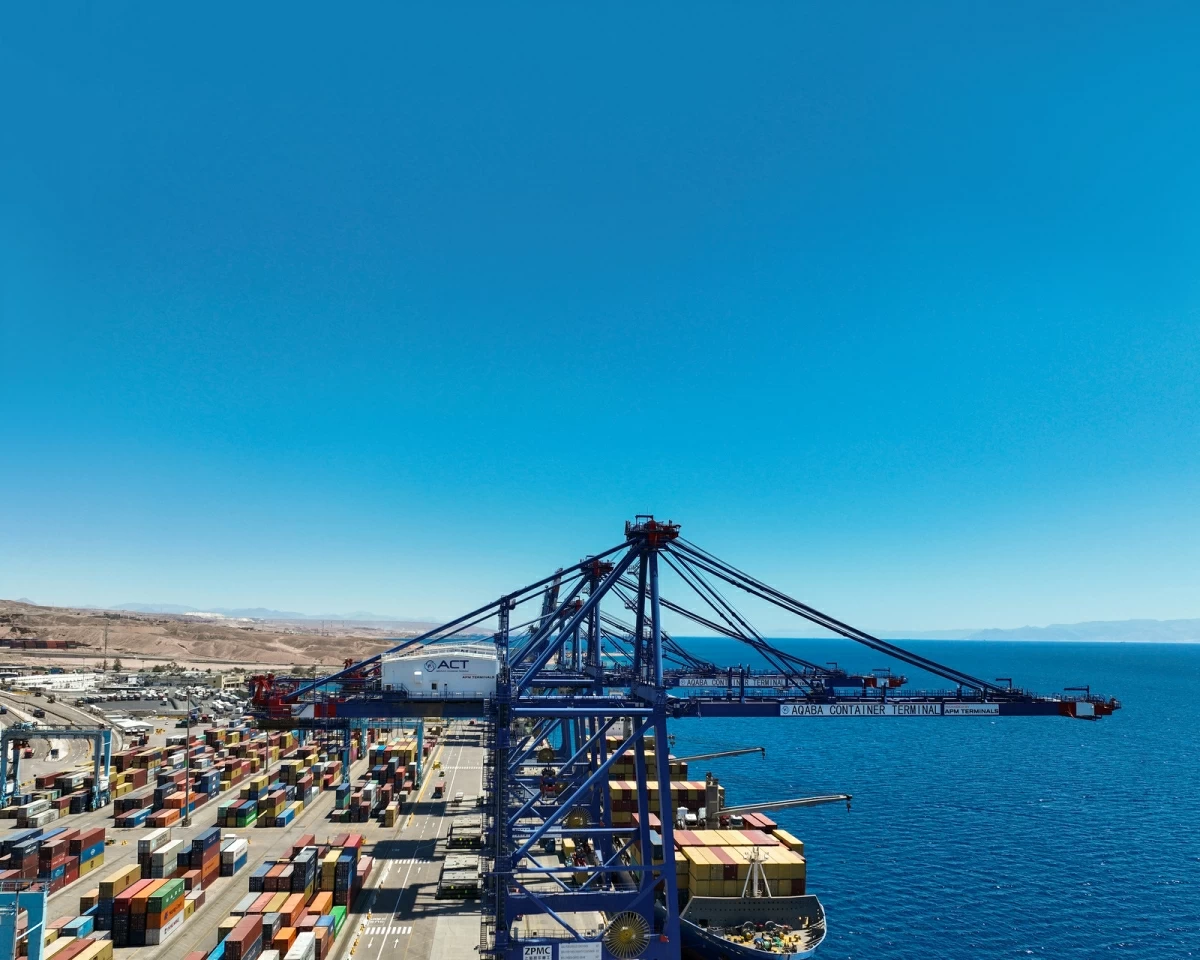
 Aqaba Container Terminal (ACT) photo
Aqaba Container Terminal (ACT) photo

AMMAN — Aqaba Container Terminal (ACT) has reported “strong” operational and commercial performance during the first half of 2026, driven by growth in cargo volumes, continued infrastructure investments, high safety standards, and progress toward its sustainability and community development goals.

In a statement to The Jordan Times, ACT said that terminal handled 472,680 twenty-foot equivalent units (TEUs) during the first six months of the year, up from 468,062 TEUs in the corresponding period of 2025. Transit cargo recorded the strongest growth, rising 177 per cent to 36,412 TEUs, compared with 13,143 TEUs a year earlier.

Truck gate movements also increased to 188,927, up from 182,490, reflecting continued efficiency across the supply chain, it said.

ACT attributed the performance to investments made over the past year, including the refurbishment of quayside infrastructure and the deployment of new ship-to-shore (STS) cranes, which have enhanced vessel handling capacity and operational productivity despite geopolitical challenges affecting regional shipping schedules and changes in vessel sizes.

The terminal also strengthened its position as a regional logistics hub by handling eight vessels carrying more than 5,000 TEUs, including one vessel that recorded a throughput of 10,884 TEUs, the highest container throughput handled at the terminal, according to the statement.

During the reporting period, ACT also welcomed the KOTA ODYSSEY, Jordan's first LNG-powered container vessel to make a maiden call, while handling 4,412 TEUs of transshipment cargo in response to evolving regional trade patterns.

Commercially, ACT reported continued customer confidence, reflected in a high Net Promoter Score (NPS). The company also advanced the rollout of APM Terminals' global Contract Lifecycle Management (CLM) system, aimed at improving contract management, transparency, compliance, customer collaboration, and operational efficiency.

Health, safety, security, and environmental (HSSE) performance remained a key focus throughout the reporting period. ACT conducted several emergency preparedness exercises, including oil spill and bromine release response drills in cooperation with key stakeholders.

The exercises received positive evaluations from the Aqaba Special Economic Zone Authority (ASEZA). The company also completed multiple external safety and security audits, including assessments by ASEZA-appointed auditors, the Social Security Corporation, and a comprehensive security audit conducted under Maersk's global standards, it said.

On the sustainability front, ACT reported a 29 per cent reduction in greenhouse gas emissions compared with its 2022 baseline, including a 75 per cent reduction in electricity-related emissions. The progress was supported by ongoing work toward ISO 50001 Energy Management System certification, development of a 6-megawatt solar power project, deployment of reefer electricity monitoring system, and the expansion of electric-powered equipment to reduce diesel consumption.

The company said that these initiatives support its targets of reducing emissions by 65 per cent by 2030 and achieving net-zero emissions by 2040.

"Our performance in the first half of 2026 reflects the strength of our operational capabilities, the trust of our customers, and the dedication of our people," said Jose Rueda, Chief Executive Officer of Aqaba Container Terminal.

He said that the company remains focused on delivering reliable and efficient services while advancing safety, sustainability, and community impact, adding that ACT will continue strengthening Aqaba's position as a strategic gateway for Jordan and the wider region as regional trade dynamics evolve.

.col-lg-12.second .opinion-widget{border-top:1px solid #D0D0D0;} #widget_1623 .opinions-title {font-size:32px;} #widget_1623 .opinions-title a{font-size:32px;} .first-author{ background-color:#ecedef; } .first-opinion-author-name{ background-color:white; width:max-content; padding:5px; }
.epaper-separator{ height: 1px; width: 100%; background-color: #D0D0D0; margin: 15px 0; }

Today’s Paper

.related-articles .article-widget-sm .article-title{font-size:16px;-webkit-line-clamp:3;} .related-articles .layout-ratio{padding-bottom:55%;}
.alert-success { color :#A3656F ; } .alert-danger { color : red ; } .footer { font-family:Myriad Pro,Arial; } .newspaper-footer{ visibility:hidden; } .socialFixOuter { position: fixed; top: 50%; margin-top: 40px; right: 0; transition: .2s; z-index: 20; height: 217px; width: 40px; } .socialFix { height: 30px; width: 30px; display: block; position: relative; cursor: pointer; background-size: 18px 18px; transition: .2s; background-position: center; background-repeat: no-repeat; border-radius: 2px; margin-top: 1px; } .socialFix:hover { width: 40px; margin-left: -10px; } .app-badge-img { height: 36px; width: auto; } @media (max-width: 768px) { .app-badge-img { height: 32px; } .app-badges { justify-content: center !important; } }
document.addEventListener("DOMContentLoaded", function () { const socialFix = document.querySelector(".socialFixOuter"); if (!socialFix) return; let firstInteraction = false; let hideTimeout = null; function checkMobileScreen() { if (window.innerWidth < 768) { socialFix.style.display = "none"; } else { socialFix.style.display = "block"; } } checkMobileScreen(); window.addEventListener("resize", checkMobileScreen); function handleFirstInteraction() { if (firstInteraction) return; if (window.innerWidth < 768) return; firstInteraction = true; socialFix.style.right = "-25px"; } socialFix.addEventListener("mouseenter", function () { if (window.innerWidth < 768) return; if (hideTimeout) clearTimeout(hideTimeout); socialFix.style.right = "0"; }); socialFix.addEventListener("mouseleave", function () { if (window.innerWidth < 768) return; if (hideTimeout) clearTimeout(hideTimeout); hideTimeout = setTimeout(() => { socialFix.style.right = "-25px"; }, 500); }); ["click", "touchstart"].forEach((evt) => { socialFix.addEventListener(evt, handleFirstInteraction); }); }); function validateEmail(email) { if (email.length > 255) return false; const emailRegex = /^[a-zA-Z0-9._%+-]+@[a-zA-Z0-9.-]+\.[a-zA-Z]{2,}$/; if (!emailRegex.test(email)) return false; if (email.includes('..') || email.startsWith('.') || email.endsWith('.')) return false; return true; } function sanitizeInput(input) { input = input.replace(/<[^>]*>/g, ''); input = input.replace(/javascript:/gi, ''); input = input.replace(/on\w+\s*=/gi, ''); input = input.replace(/[<>"'&(){}[\]]/g, ''); return input.trim(); } document.addEventListener('DOMContentLoaded', function () { function showModal(message, type) { const messageContainer = document.getElementById("messageContainerFooter"); messageContainer.textContent = message; messageContainer.className = `alert alert-${type} mt-3`; messageContainer.classList.remove("d-none"); setTimeout(() => { messageContainer.classList.add("d-none"); }, 5000); } document.getElementById("emailFormFooter").addEventListener("submit", function(event) { event.preventDefault(); const emailInput = document.getElementById("emailFooter"); const email = sanitizeInput(emailInput.value.trim()); if (!validateEmail(email)) { showModal('Invalid email format', 'danger'); return; } const formData = new FormData(); formData.append('email', email); fetch('/subscribeNewsletter', { method: "POST", body: formData, headers: { "Accept": "application/json", "X-Requested-With": "XMLHttpRequest" } }) .then(response => { if (!response.ok) { showModal("Error submitting email. Try again.", 'danger'); } return response.json(); }) .then(data => { showModal(data.message, 'success'); }) .catch(error => { showModal("Error submitting email. Try again.", 'danger'); }); }); });